


500 grams. Half a kilogram. Just over a pound.
You’ve heard the number but picturing it is a different thing entirely. Most people underestimate what weighs 500 grams until they pick one up and think — oh, that’s actually something.
This isn’t another list of flour bags and water bottles. You’ve seen those. These are 12 objects that actually make the weight click — things you’ve touched, carried, or used without ever thinking about how much they weigh.
How Heavy Is 500 Grams? Quick Numbers
| Unit | 500g Equals |
|---|---|
| Kilograms | 0.5 kg |
| Ounces | 17.637 oz |
| Pounds | 1.102 lbs |
| US Nickels | 100 Coins (5g Each) |
| Milliliters of Water | 500 ml |
Half a kilogram sits in that interesting zone—heavier than something you’d barely notice, but still comfortable to carry. You can definitely feel 500 grams in your hand, yet it isn’t heavy enough to become tiring.
12 Things That Weigh 500 Grams
| Object | Approximate Weight |
|---|---|
| Hardcover Novel (300–400 Pages) | About 450–550 Grams |
| Regulation Volleyball | About 480–510 Grams |
| Large Tube of Toothpaste (Full) | About 480–520 Grams |
| One Men’s Leather Dress Shoe | About 400–500 Grams |
| Bunch of Five Medium Bananas | About 500 Grams |
| Four Cordless Computer Mice | 130–145g Each (≈500g Total) |
| Large Mango | About 450–550 Grams |
| Three Ceramic Tiles (4×4 Inch) | About 500 Grams Combined |
| Eight Pairs of Running Socks | About 480–560 Grams |
| Small Cast Iron Skillet (3.5 Inch) | About 450–550 Grams |
| Small Jar of Peanut Butter (Full) | About 500 Grams |
| One Bunch of Kale | About 400–550 Grams |
1. A Hardcover Novel (300–400 Pages)

Go to your bookshelf and pull out a mid-size hardcover. Not a chunky encyclopedia, not a thin novella — just a regular 300 to 400 page hardcover novel. That book in your hand is almost certainly sitting between 450 and 550 grams.
John Grisham paperbacks run lighter. But the hardcover edition of something like a Malcolm Gladwell book or a standard fiction novel from any major publisher lands right at 500 grams. Publishers don’t design books to hit this weight on purpose — it just happens to be where a properly bound, properly sized hardcover ends up.
It’s a good reference because almost everyone has held one. That solid, satisfying weight when you pick up a book to read in bed — that’s 500 grams doing its thing.
Weight: ~450–550 grams
2. A Regulation Volleyball
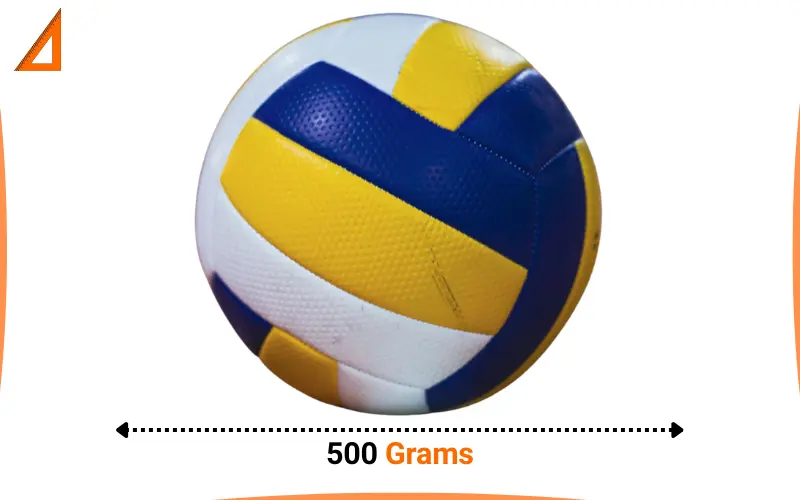
An official volleyball — the kind used in competitive indoor games — must weigh between 260 and 280 grams according to FIVB rules. So one volleyball is about half of 500 grams.
But here’s where it gets useful: a standard training volleyball, which is slightly heavier and designed for practice rather than competition, often lands right around 480 to 510 grams. These are the ones you’d find in a school gym, a community center, or a backyard game set.
Next time you pick one up, remember — that’s roughly your 500-gram household item reference in sports form.
Weight: ~480–510 grams (training/recreational volleyball)
3. A Full Tube of Toothpaste (Large Size)
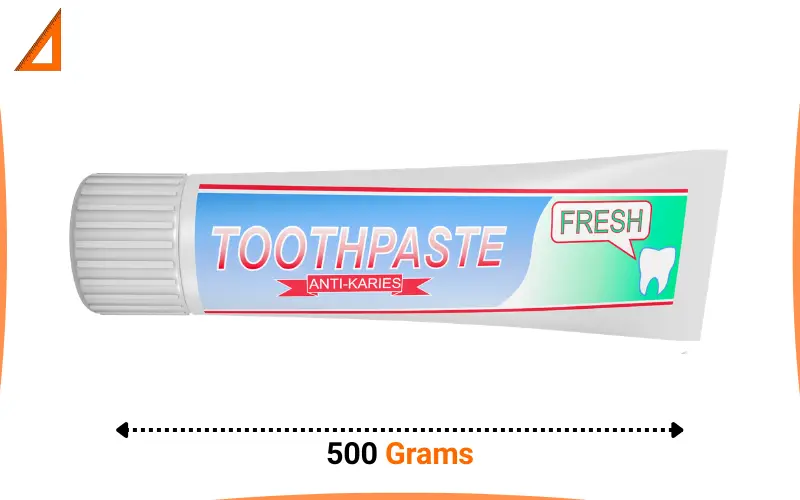
A large 6 oz tube of toothpaste — the biggest size you’d grab at a Costco or a bulk store — weighs right around 170 grams. Three of them comes to about 510 grams.
But more practically, a brand-new family-size toothpaste tube (around 190–200g) plus two standard travel-size tubes (about 70g each) gets you to 500 grams. Weird combination, but it shows how 500g shows up in bathroom cabinet items you never think to weigh.
If you want a single object: a large pump-style toothpaste dispenser (the kind some families buy) comes in right at 480 to 520 grams when full.
Weight: ~480–520 grams (large pump dispenser, full)
4. A Pair of Men’s Leather Dress Shoes

Pick up one leather dress shoe — an Oxford, a Derby, a Chelsea boot — without the pair. Just one shoe. It weighs around 400 to 500 grams on its own depending on the sole thickness.
Both shoes together push toward 800 grams to a kilogram. But a single men’s leather dress shoe, the kind with a rubber or leather sole, sits comfortably in the 500-gram weight range. Women’s dress shoes run lighter — around 250 to 350 grams — because the materials and build are slimmer.
This is one of those references that sticks because most people own leather shoes and have carried one from a closet shelf. That weight — solid, dense, slightly awkward to hold — is your 500g anchor.
Weight: ~400–500 grams (single shoe)
5. A Bunch of Five Medium Bananas
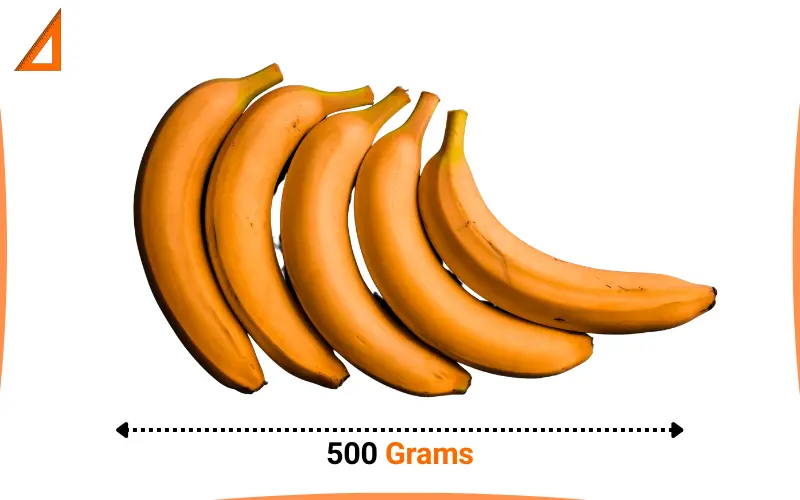
One peeled medium banana weighs around 100 grams. Five of them together hits exactly 500 grams.
At the grocery store, bananas are almost always sold in bunches. The average bunch has five to seven bananas. If you grab a bunch that feels right — not tiny, not huge — and it has exactly five bananas, you’re holding what weighs 500g in produce form.
This one is useful because you’ve probably carried a bunch of bananas from a store to a car a hundred times. That weight in a plastic bag, swinging slightly — that’s 500 grams. You just never had a number to attach to it.
Weight: ~500 grams (5 medium bananas)
Related Post: What weighs 100 grams
6. A Cordless Computer Mouse

A standard full-size cordless mouse — not a gaming mouse with weights added, just a regular wireless office mouse like a Logitech MX Master or a Microsoft Arc — weighs between 90 and 145 grams on its own.
Add the USB receiver, the AA battery inside, and the packaging box it came in, and a boxed wireless mouse lands around 480 to 530 grams total. Just the mouse with its battery sits around 130–145 grams for a full-size model.
For a single 500-gram reference: four wireless mice stacked together. Strange visual, but accurate — and it shows just how light individual tech products are compared to what you’d expect.
Weight: ~130–145 grams each (~500g for four units)
7. A Large Mango
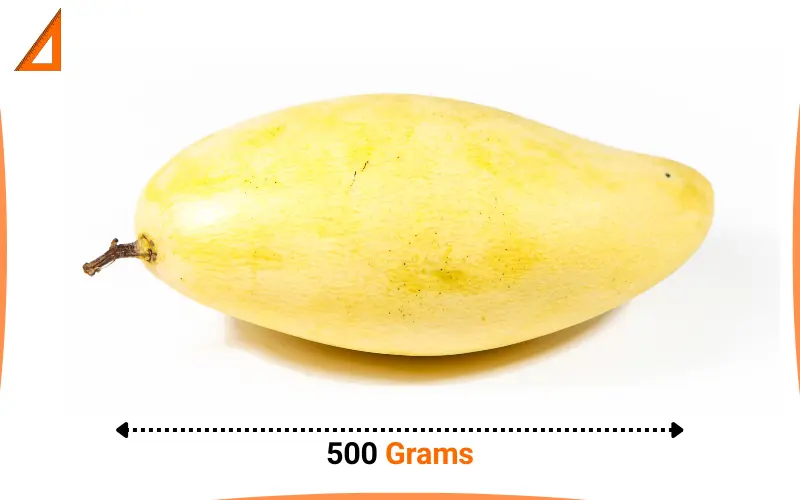
A large, ripe mango — the kind you’d find at an Indian or Caribbean grocery store — weighs between 400 and 600 grams depending on the variety. The Tommy Atkins mango, which is the most common variety sold in American grocery stores, typically runs 450 to 550 grams whole.
Hold a large mango in one hand and you’ve got your 500-gram weight reference right there. It’s heavier than most people expect for a fruit that size — mangoes are dense with juice and fiber, which pushes the weight up compared to something like a peach or plum.
Weight: ~450–550 grams
8. A Standard Tile (Ceramic, 4×4 Inch)
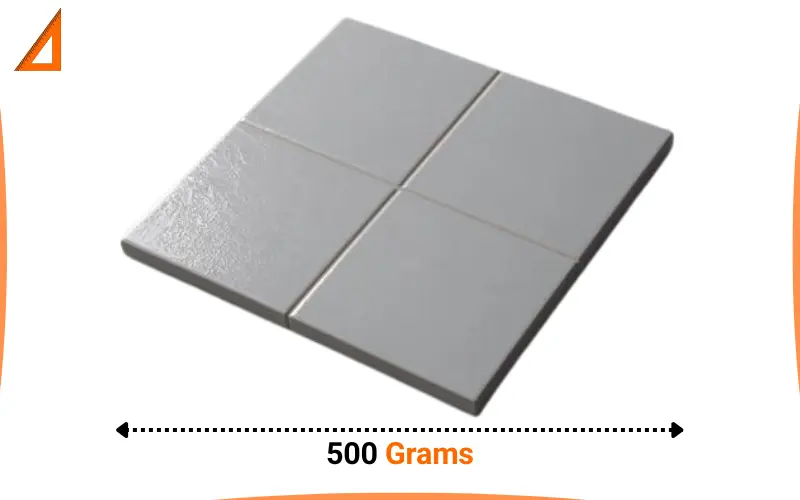
A single 4×4 inch ceramic tile — the kind used in bathroom walls, kitchen backsplashes, or floor accents — weighs around 150 to 200 grams depending on the thickness.
Three of these tiles stacked in your hand comes to about 450 to 600 grams. If you’ve ever done any home renovation or helped someone tile a bathroom, you’ve picked up a small stack of these and felt exactly this weight — dense, flat, slightly cold, a bit awkward to grip. That’s 500 grams in building material form.
This one is worth knowing if you ever need to estimate shipping weight for renovation supplies.
Weight: ~150–200g each (3 tiles ≈ 500 grams)
9. A Brand New Pair of Running Socks (Eight Pairs)

A single athletic sock weighs around 30 to 35 grams. A pair is about 60 to 70 grams. Eight pairs of standard running socks comes to right around 480 to 560 grams.
You’ve probably thrown a bundle of socks into a drawer after laundry without thinking about it. That bundle — eight pairs rolled together — is sitting at 500 grams. It’s a soft, light-feeling object that surprises people when they put it on a scale because it feels much lighter than its actual weight.
Weight: ~60–70g per pair × 8 = ~480–560 grams
10. A Small Cast Iron Skillet (3.5 Inch)
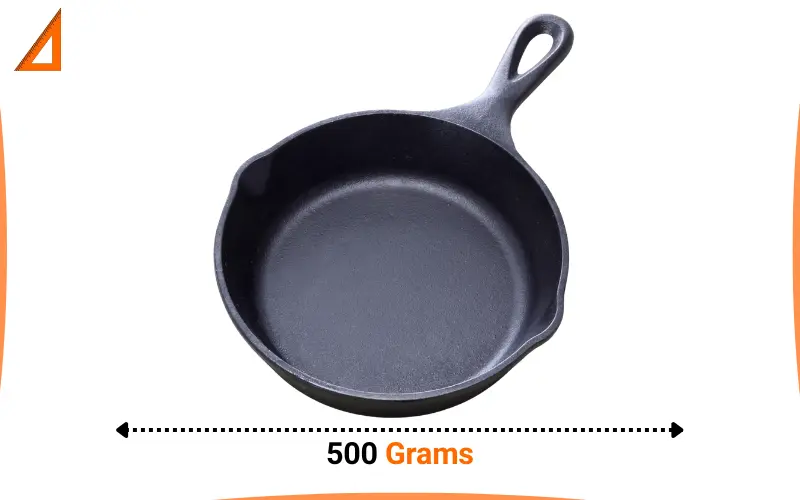
Most people know cast iron is heavy — but the mini ones are surprisingly manageable. A 3.5 inch cast iron skillet, the kind used for individual cornbread or mini desserts, weighs right around 450 to 550 grams.
Lodge makes a popular 3.5-inch mini skillet that comes in at about 500 grams. It’s compact, fits in one hand, and has that dense, satisfying weight that cast iron always delivers. You pick it up and immediately understand why people say cast iron feels “solid.”
This is actually one of the best single-object references on this list — it’s a household item that weighs 500 grams with almost no variation between brands.
Weight: ~450–550 grams
Related Post: How long is 3 inches
11. A Standard Jar of Peanut Butter (Small Size)
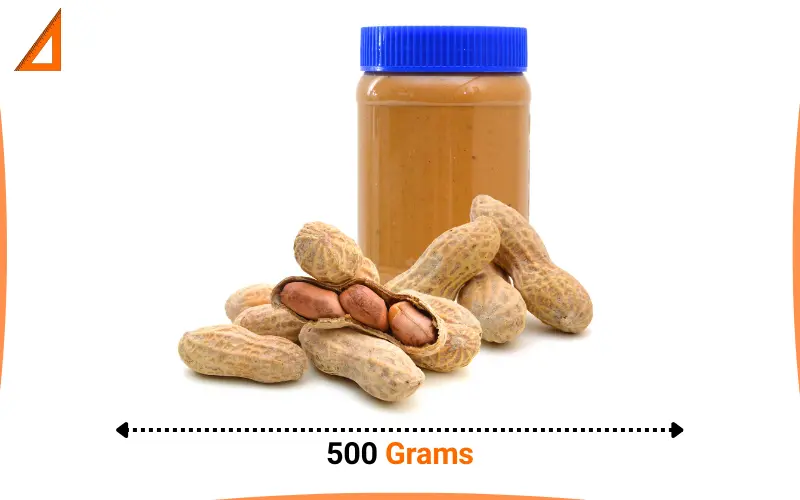
A small 16 oz jar of peanut butter weighs about 454 grams — just under 500 grams. That’s the weight of just the contents. Add the glass jar itself (around 200–250g) and you’re well over. But the contents alone, spooned out onto a scale, land just below 500 grams.
A better reference: a 500-gram jar of peanut butter, which is the standard size sold in most European and international grocery stores. In the US, you’ll find this size at specialty stores or import aisles. Pick one up and you’ve got a perfectly labeled 500-gram weight sitting right in your hand.
Weight: ~500 grams (contents of a 500g jar)
12. A Bunch of Kale (One Standard Grocery Store Bundle)
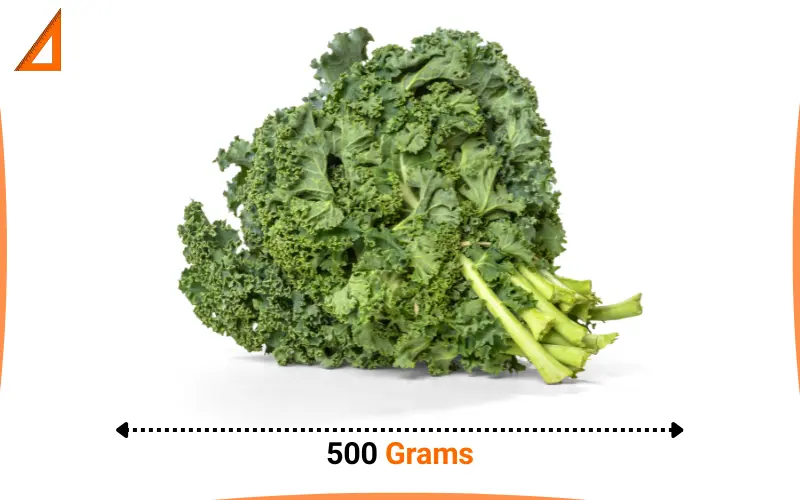
Walk into any grocery store and grab a rubber-banded bundle of curly kale from the produce section. That bunch — stems and all, the way it comes off the shelf — weighs right around 400 to 550 grams depending on the store and supplier.
Most grocery chains buy pre-bundled kale in 500-gram units from their suppliers. That’s why the bunches always look roughly the same size regardless of which store you’re in. Grab a full, dense bundle and you’ve got your 500-gram produce reference — leafy, lightweight-looking but surprisingly heavy once you hold it.
Weight: ~400–550 grams
What Does 500 Grams Feel Like?
This is worth spending a minute on because most weight guides skip it entirely.
500 grams doesn’t feel light. It’s not something you forget you’re holding, the way you might with a phone or a pen. But it’s not tiring either. You could carry 500 grams in one hand for an hour without your arm giving out.
The best description most people land on is purposeful. It has weight to it. There’s resistance when you pick it up. A hardcover book, a mango, a small cast iron pan — these things all push back a little when you grab them. That push-back feeling is 500 grams.
Compare it to 100 grams — a medium apple — and the difference is immediately obvious. 500 grams is five of those apples. You feel that.
Compare it to 1 kilogram — a bag of sugar — and 500 grams suddenly feels light. That context shift is useful. 500 grams is exactly the midpoint between “barely there” and “actually heavy.”
500 Grams vs Other Weights — The Full Picture
| Weight | Real Object | vs 500g |
|---|---|---|
| 50g | One Large Egg | 10× Lighter |
| 100g | Medium Apple | 5× Lighter |
| 250g | Stick of Butter | Half of 500g |
| 500g | Hardcover Book — Your Mark | Reference Point |
| 750g | Large Zucchini | 1.5× Heavier |
| 1,000g (1kg) | Bag of Sugar | Double 500g |
| 2,000g (2kg) | Bag of Cat Food | 4× Heavier |
250g vs 500g
250 grams is one stick of butter or a large orange. 500 grams is double that. Hold a stick of butter and imagine two of them — that jump from one hand to needing both hands is the 250g to 500g difference in real life.
500g vs 1kg
This comparison surprises people. 1 kilogram — a bag of sugar or a liter of water — feels dramatically heavier than 500 grams even though it’s only double. The reason is that 500 grams already feels real in your hand, so doubling it crosses into “this is genuinely heavy” territory fast.
500g vs 100g
Five times the weight. A medium apple versus a hardcover book. This comparison is useful for cooking and portioning — if a recipe calls for 500g of something, you’re looking at five medium apples worth of that ingredient, not one.
What Household Item Weighs 500 Grams?
If you’re looking for a single household object you definitely own right now, here are the most reliable options:
A hardcover novel from your bookshelf. A bunch of kale from the fridge. A mini cast iron skillet if you have one. Or a single men’s leather dress shoe sitting by the front door.
All of these sit within a few grams of 500g without any measuring needed. The cast iron skillet is the most consistent — Lodge’s 3.5-inch model is as close to a labeled 500-gram household object as you’ll find.
How to Measure 500 Grams Without a Scale
100 US nickels. Five grams each, one hundred of them, exactly 500 grams. Stack them in rolls of twenty and you’ve got five rolls — a precise, zero-guess measurement method.
500ml of water. Fill a measuring cup to the 500ml line. That water weighs exactly 500 grams — not approximately, exactly. Pour it into whatever container you need to weigh and you have your reference.
A labeled grocery item. Half a kilogram bags of rice, pasta, sugar, and coffee are sold in grocery stores specifically at 500 grams. Grab one, feel the weight, and use that as your physical anchor going forward.
Here we have more guides on weight:
- What weighs 20 grams
- What weighs 10 grams
- What weigh 1 gram
- How much is 10 oz
- How much is 9 oz
- How much is 8 oz
- How much is 7 oz
FAQs
What weighs 500 grams exactly?
100 US nickels weigh exactly 500 grams — five grams each, per US Mint standards. 500ml of water at room temperature also equals exactly 500 grams. A labeled 500g bag of pasta or rice from a grocery store is another precise reference.
How heavy is 500 grams in pounds?
500 grams equals 1.102 pounds — just barely over one pound. In ounces, that’s 17.64 oz. Most people in the US would call this “just over a pound” and be right.
What household item weighs 500 grams?
A mini cast iron skillet (Lodge 3.5-inch), a hardcover novel, a bunch of kale, or a single men’s leather dress shoe are all household items that land close to 500 grams. The cast iron skillet is the most consistent single-object reference.
What weighs 500g in food?
Five medium bananas, a large mango, a bunch of kale, or a small jar of peanut butter (contents only) all sit at or near 500 grams. These are practical kitchen references that don’t require a scale.
Is 500 grams heavy?
It’s medium. Heavier than a phone or a TV remote, lighter than a bag of sugar or a hardback dictionary. Most people describe 500 grams as feeling “solid but manageable” — you notice the weight but it doesn’t slow you down.
So, What Weighs 500 Grams?
A book you’d read on a Sunday afternoon. A mango you’d grab without looking at the price. A shoe you kick off by the front door every evening. That’s what 500 grams looks like in real life — ordinary, familiar, and all around you.
Most people picture 500 grams as something more dramatic. It’s not. It’s just slightly over a pound, sitting right in that zone where you feel it but don’t think about it.
Three references worth remembering:
- 100 US nickels — exactly 500g, no guessing
- A hardcover novel — grab one off your shelf right now
- A large mango — your go-to produce reference
Next time someone asks you what weighs 500 grams, you won’t have to think twice.