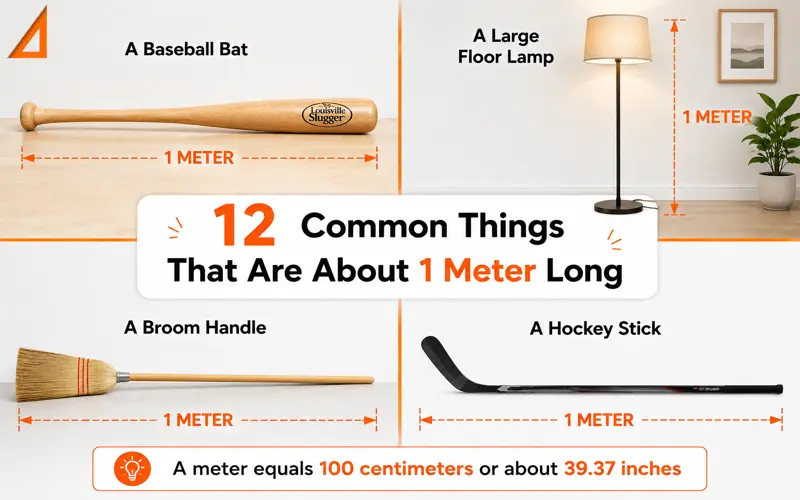

How Big Is 10 MM? 10 mm equals exactly 1 centimeter, 0.39 inches, or about four-tenths of an inch. While that measurement may sound tiny, it’s actually a size that appears in countless everyday objects. From kitchen ingredients and office supplies to clothing accessories and hardware, 10 mm is a dimension most people see regularly without realizing it.
The challenge is that millimeters are difficult to picture. Most people can imagine a foot, an inch, or even a meter, but visualizing 10 millimeters without a ruler is much harder. That’s why comparing measurements to familiar objects works so well. Instead of thinking about numbers, you can think about objects you’ve held, used, or seen hundreds of times.
Whether you’re checking product dimensions, buying jewelry, working on a DIY project, shopping online, or simply curious about measurements, these real-world examples will help you understand exactly how big 10 mm really is.
10 MM Conversion Table
| Measurement | Equivalent |
|---|---|
| 10 Millimeters | 1 Centimeter |
| 10 Millimeters | 0.39 Inches |
| 10 Millimeters | 0.03 Feet |
| 10 Millimeters | 0.01 Meters |
| 10 Millimeters | 10,000 Micrometers |
| 10 Millimeters | 0.00001 Kilometers |
Related Post: How Long Is 1 Meter?
How Big Is 10 MM In Real Life?
Ten millimeters may sound small on paper, but in everyday life it’s a size you can easily notice without looking closely. Since 10 mm equals 1 centimeter, it’s about the kind of measurement often used for buttons, hardware parts, craft supplies, and small accessories.
A simple way to think about it is that 10 mm is large enough to be picked up comfortably between your fingers but small enough to fit on the tip of a finger. It’s not a tiny speck like a grain of rice, yet it’s nowhere near the size of a coin or bottle cap. This balance makes 10 mm a common measurement in products that need to be compact while still being easy to handle.
That’s why comparing 10 mm to familiar objects is often the quickest way to understand its actual size.
What Does 10 MM Look Like?
Ten millimeters is exactly the same as one centimeter. If you’ve ever looked at a ruler, the distance between two centimeter marks is 10 mm.
Even though it’s small, it’s not microscopic. You can easily see it, touch it, and compare it with everyday items. Many common objects measure somewhere around this size because 10 mm is large enough to be practical while still remaining compact.
Think about a small coin detail, a piece of hardware, a fruit seed, or part of a clothing accessory. These objects provide a much clearer understanding of the measurement than numbers alone.
Why Understanding 10 MM Matters
Measurements around 10 mm appear everywhere:
- Product specifications
- Jewelry dimensions
- Craft supplies
- DIY projects
- Hardware components
- Clothing accessories
- Electronics
- Kitchen items
Knowing how large 10 mm actually is can help you avoid ordering the wrong size product and make estimating dimensions much easier in everyday life.
Is 10 MM Big or Small?
The answer depends entirely on context.
Compared to a room, a vehicle, or a piece of furniture, 10 mm is extremely small.
However, when discussing buttons, beads, screws, gemstones, seeds, and accessories, 10 mm can feel surprisingly noticeable. In fact, many jewelry designers consider 10 mm pearls and gemstones relatively large because they attract attention immediately.
That’s why understanding scale is important. A measurement that feels tiny in one situation may feel quite substantial in another.
Ways To Measure 10 MM Without A Ruler
One simple trick is remembering that 10 mm equals exactly 1 cm.
You can also compare it to common items such as a chickpea, coffee bean width, zipper slider, hoodie drawstring tip, or a small decorative bead. Most people have seen these objects often enough that they can quickly create a mental image.
When estimating measurements without tools, familiar objects usually provide a more accurate visual guide than trying to imagine numbers.
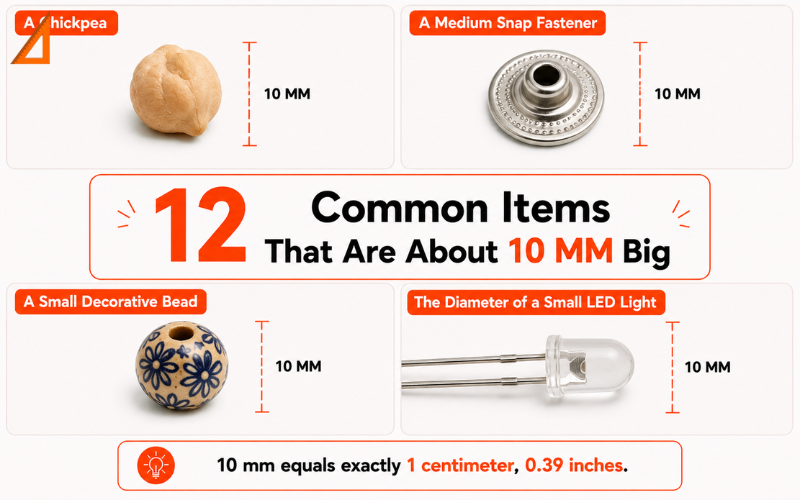
12 Common Things That Are About 10 MM Big
| Common Object | Approximate Size |
|---|---|
| Chickpea | 9–11 MM |
| Coffee Bean Width | About 10 MM |
| Medium Snap Fastener | 9–11 MM |
| Hoodie Drawstring Tip | About 10 MM |
| Decorative Craft Bead | About 10 MM |
| Large Corn Kernel | 9–10 MM |
| Small LED Light Diameter | About 10 MM |
| Bottle Cap Sealing Insert | 9–11 MM |
| Pumpkin Seed Width | 9–11 MM |
| Cabinet Screw Head | About 10 MM |
| Wall Clock Adjustment Knob | 9–10 MM |
| Small Wooden Craft Ball | About 10 MM |
1. A Chickpea
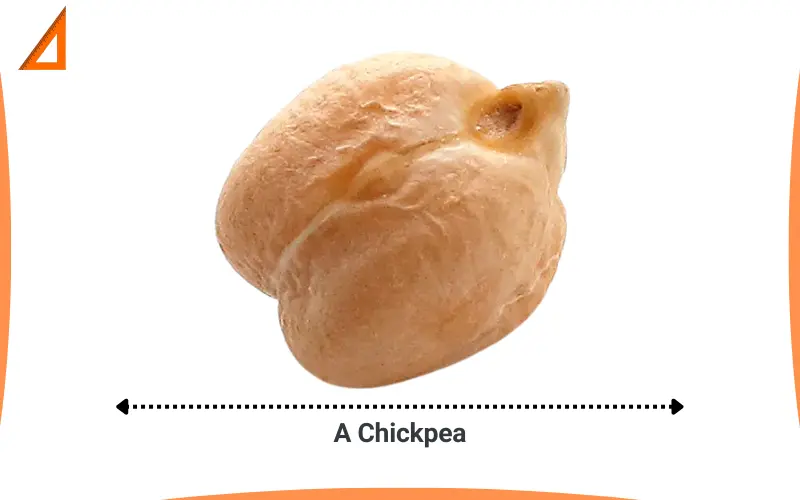
A dried chickpea is one of the easiest ways to visualize 10 mm. Many chickpeas measure close to 1 centimeter across, making them surprisingly accurate size references.
If you’ve ever cooked with chickpeas or eaten hummus, you already have a good idea of their size. Unlike tiny grains such as rice or lentils, chickpeas feel substantial when held between your fingers. They’re easy to pick up individually and noticeable on a plate. Because they’re common worldwide, they provide a practical everyday measurement reference that most people can instantly recognize.
Compared to a pea, a chickpea usually appears larger and fuller, which helps create a clearer picture of what 10 mm actually looks like.
2. The Width of a Coffee Bean

Many coffee beans measure close to 10 mm along their wider side. Coffee drinkers often handle beans daily without ever thinking about their dimensions.
A coffee bean is small enough to fit comfortably on a fingertip yet large enough to be seen clearly from several feet away. When you hold one in your hand, it offers a surprisingly accurate representation of 10 mm. Since coffee is one of the most popular beverages in the world, this comparison is familiar to a huge number of people.
The curved shape and recognizable appearance make coffee beans useful for estimating small measurements quickly.
3. A Medium Snap Fastener
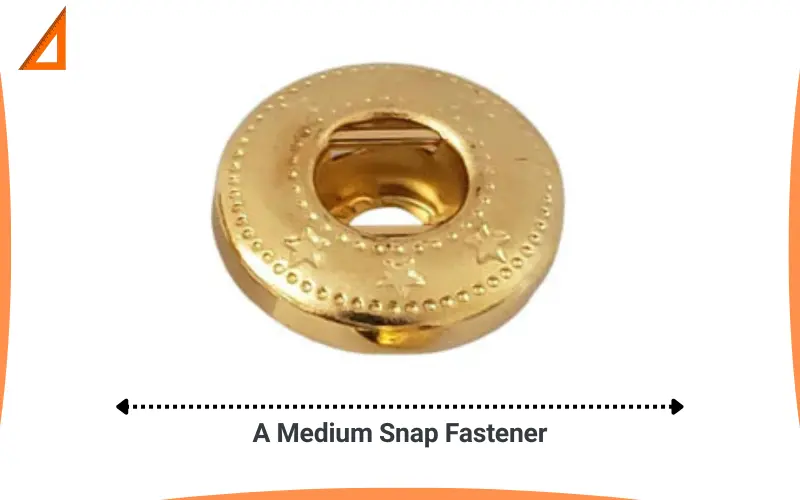
The metal snap buttons found on jackets, wallets, backpacks, and purses often measure around 10 mm.
These fasteners need to be large enough to open and close easily while remaining compact enough not to dominate the design. Because they’re touched and used regularly, most people already have a built-in sense of their size.
Think about the snap on a jacket pocket or the closure on a wallet. The metal button that clicks into place is frequently very close to 10 mm.
4. The End of a Hoodie Drawstring
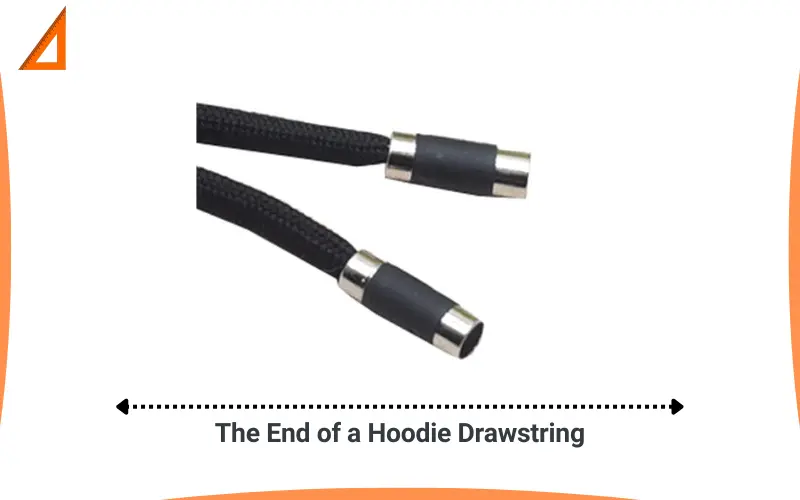
The plastic or metal tip attached to many hoodie strings often measures about 10 mm in width.
These small pieces help prevent fraying and make the drawstring easier to handle. Since hoodies are common clothing items, many people have interacted with these components countless times.
Even though they seem insignificant, they’re excellent examples of how large 10 mm feels in everyday life. They provide a practical size comparison because they’re objects people physically handle rather than simply observe.
5. A Small Decorative Bead
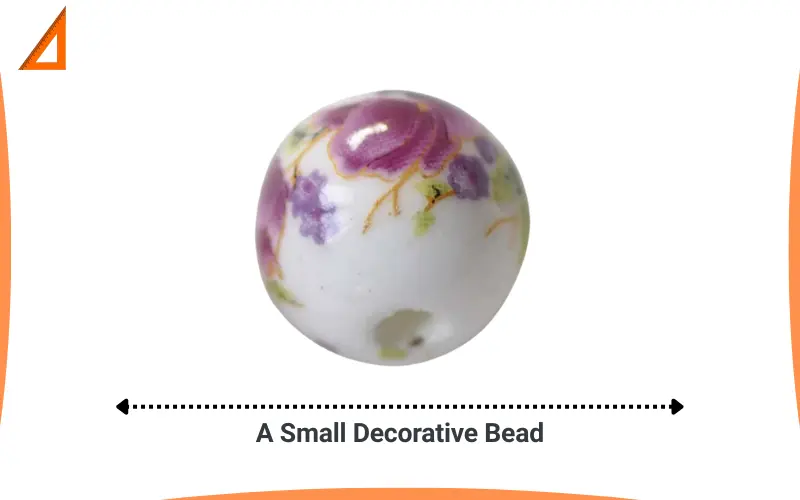
Many craft beads are manufactured in the 10 mm size range because it’s large enough to stand out while remaining versatile.
If you’ve ever made bracelets, necklaces, or DIY decorations, you’ve probably worked with beads close to this size. A 10 mm bead is easy to thread, easy to see, and large enough to become a focal point in jewelry designs.
Compared to smaller 4 mm or 6 mm beads, a 10 mm bead feels dramatically larger and attracts attention immediately.
6. A Large Corn Kernel
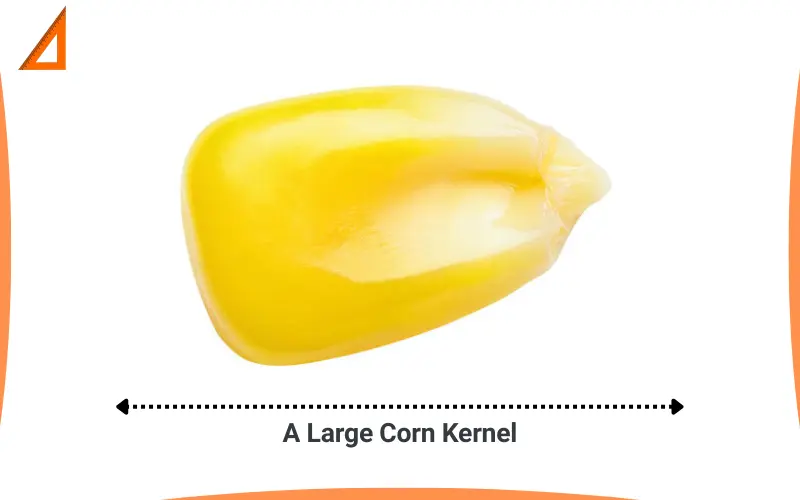
Some larger varieties of corn produce kernels that approach 10 mm in width.
When looking at an ear of sweet corn, each kernel is individually visible and easy to distinguish. The larger kernels create a surprisingly accurate mental image of a 10 mm measurement.
Because corn is a common food item found in kitchens around the world, this comparison feels natural and easy to understand.
7. The Diameter of a Small LED Light
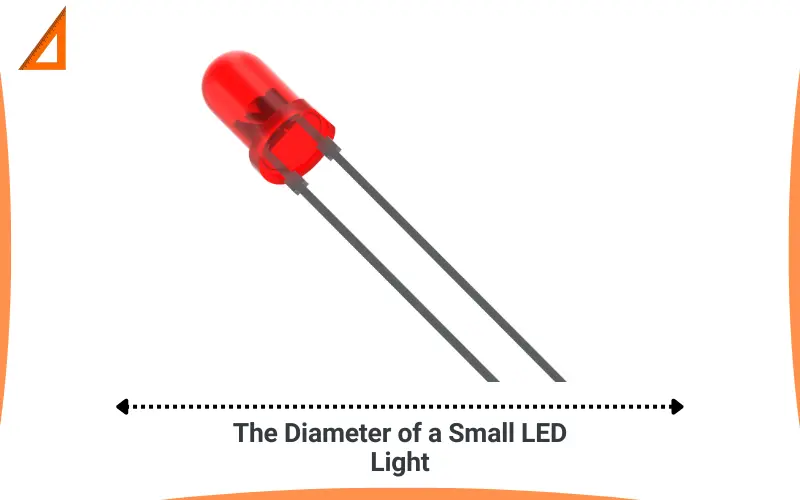
Many indicator LEDs used in electronics measure close to 10 mm.
You’ve probably seen them on routers, speakers, computer accessories, gaming equipment, and household electronics. These lights are intentionally designed to be visible without taking up much space.
Because electronics are such a regular part of modern life, the size of these LEDs provides another useful real-world reference.
8. A Small Bottle Cap Insert
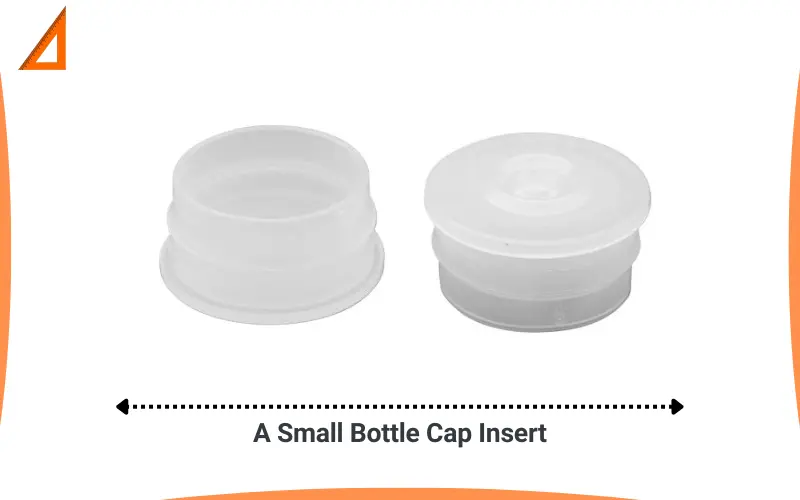
The inner sealing insert found inside many beverage bottle caps often measures close to 10 mm.
Most people have removed hundreds of bottle caps over the years but rarely pay attention to the components inside them. Looking closely at these inserts reveals dimensions surprisingly close to the 1 cm mark.
This makes them a useful size example that many readers can relate to immediately.
9. A Large Pumpkin Seed Width
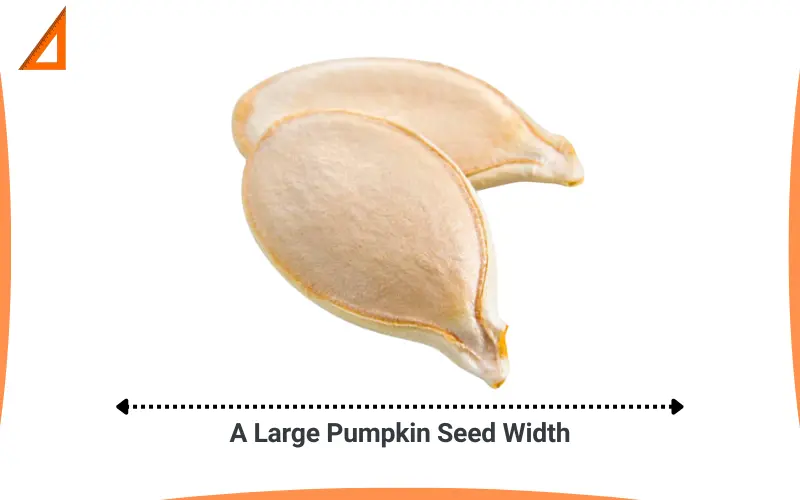
Many pumpkin seeds measure around 9–11 mm across their widest section.
If you’ve eaten roasted pumpkin seeds as a snack, you already know they’re much larger than sunflower seeds. Their familiar shape and size make them excellent for estimating small measurements without needing a ruler.
Because they’re easy to handle and recognize, they provide a strong visual comparison for 10 mm.
10. A Small Cabinet Screw Head
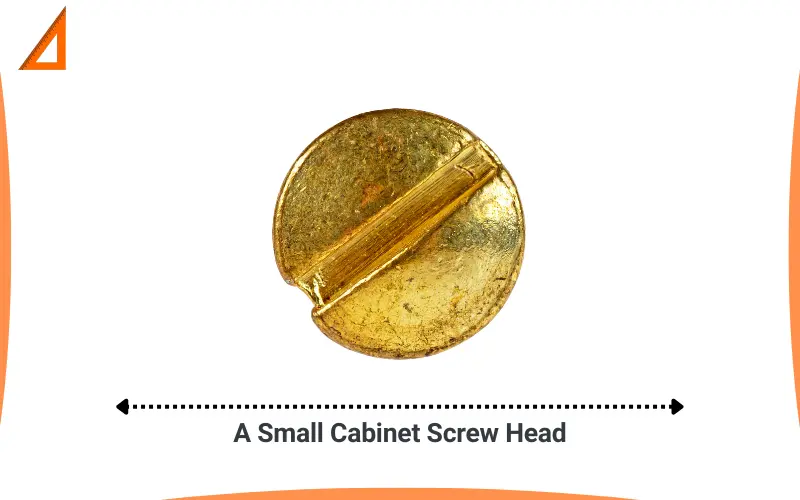
The heads of many cabinet screws and furniture screws measure close to 10 mm.
DIY enthusiasts, carpenters, and homeowners encounter these components regularly. Although the screw itself may be much longer, the head often falls near this measurement because it needs to be easy to grip with tools.
This example demonstrates how 10 mm frequently appears in practical hardware applications.
11. The Crown on a Wall Clock Adjustment Knob
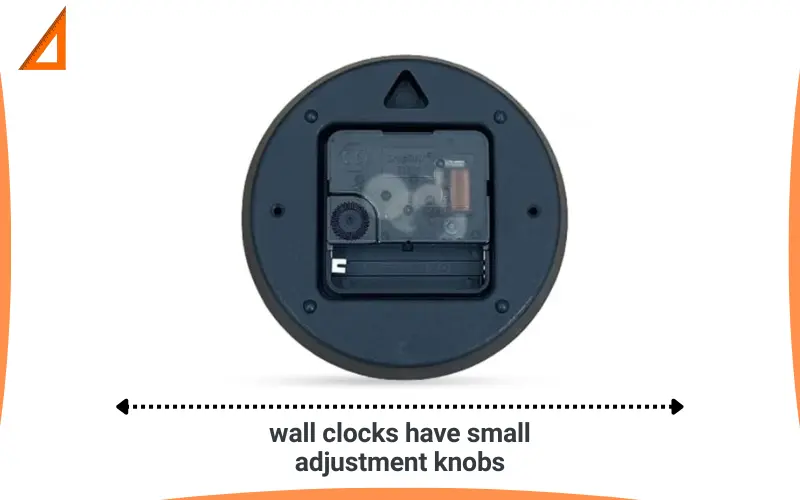
Many wall clocks have small adjustment knobs on the back that measure roughly 10 mm.
These knobs are designed to be easy to turn while remaining compact. Most people have adjusted a clock at some point, making this a familiar everyday object.
Because it must be functional and easy to grip, manufacturers often make these knobs close to the 10 mm size range.
12. A Small Wooden Craft Ball
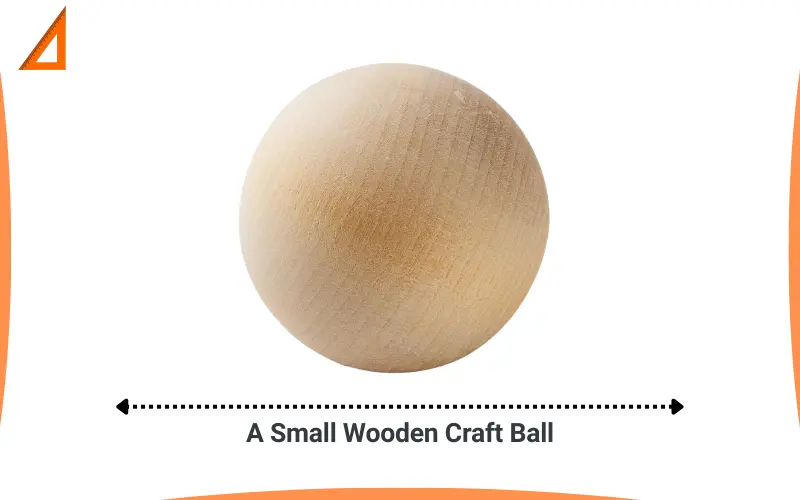
Wooden craft balls used in DIY projects and decorations often measure approximately 10 mm in diameter.
These balls are commonly found in children’s crafts, holiday decorations, educational projects, and hobby supplies. Their perfectly round shape helps create a clear visual understanding of the measurement.
When held between your fingers, a 10 mm wooden ball feels surprisingly noticeable despite being relatively small.
Why 10 MM Is An Important Reference Measurement
Ten millimeters is one of the easiest metric measurements to remember because it equals exactly 1 centimeter.
Many other dimensions are estimated relative to it. When people think about 5 mm, 8 mm, or 15 mm, they often compare those measurements mentally to the familiar 10 mm benchmark.
This makes 10 mm one of the most useful everyday measurement references for understanding size and scale.
Everyday Places You May Encounter 10 MM Measurements
You may find objects close to 10 mm in:
- Jewelry and accessories
- Kitchen ingredients
- Clothing hardware
- Craft supplies
- Electronics
- Furniture hardware
- DIY projects
- Office supplies
- Decorative items
- Household products
Once you start noticing this measurement, you’ll discover it appears far more frequently than expected.
FAQs
Is 10 mm the same as 1 cm?
Yes. Ten millimeters equals exactly one centimeter.
How big is 10 mm in inches?
10 mm equals approximately 0.39 inches.
What object is about 10 mm big?
A chickpea, coffee bean width, snap fastener, pumpkin seed, or small craft bead can all be close to 10 mm.
How can I estimate 10 mm without a ruler?
You can compare it to a chickpea, coffee bean, pumpkin seed, or any object that is roughly 1 centimeter wide.
Is 10 mm considered large?
For jewelry, hardware, beads, and accessories, it is fairly noticeable. For furniture, vehicles, and room dimensions, it is very small.
Conclusion
Although 10 mm seems like a tiny measurement, it appears throughout daily life in food items, clothing accessories, hardware, crafts, and electronics. Familiar objects such as chickpeas, coffee beans, snap fasteners, pumpkin seeds, and drawstring tips provide useful real-world size comparisons that make the measurement easier to understand.
Once you connect 10 mm with everyday objects you already know, estimating similar dimensions becomes much simpler. Whether you’re shopping online, reading product specifications, working on a DIY project, or comparing measurements, these practical examples help you visualize exactly how big 10 mm really is.