
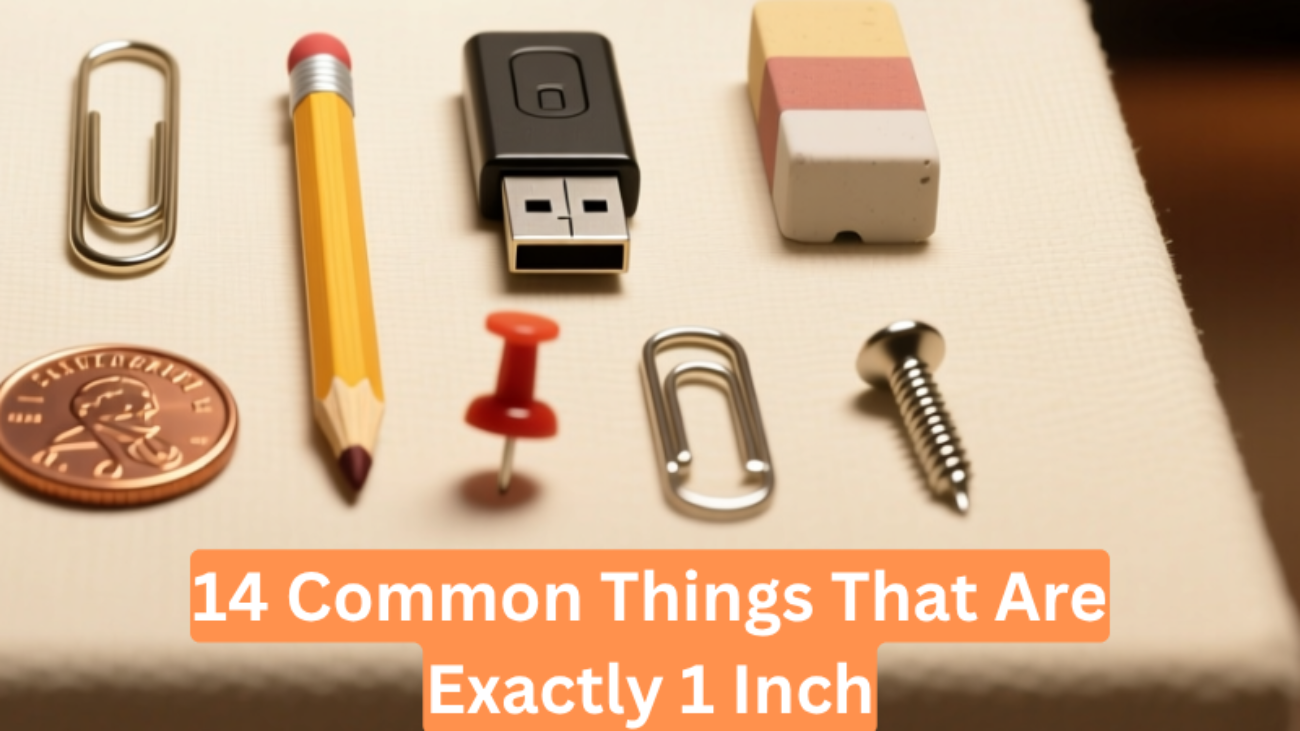
How long is 1 inch? 1 inch equals exactly 2.54 centimeters or 25.4 millimeters. It is a small unit of length used to measure everyday objects, short distances, and fine details.
Many people search for how long is 1 inch because it is not always easy to visualize such a small measurement. By comparing it with familiar items like mobile phones, buttons, and small tools, it becomes much easier to understand in real life.
1 Inch Conversion Table
This conversion table helps you quickly understand how 1 inch compares to other common measurement units.
| Measurement | Equivalent |
| 1 inch in centimeters | 2.54 cm |
| 1 inch in millimeters | 25.4 mm |
| 1 inch in feet | 0.0833 ft |
| 1 inch in meters | 0.0254 m |
These conversions help you understand 1 inch across different measurement systems. Whether you are following international instructions, reading product dimensions, or working on a project, knowing these equivalents makes everything easier and more accurate.
What Does 1 Inch Look Like?
When people ask how big is 1 inch, they are usually trying to visualize a very small length. The best way to understand it is not through numbers, but through comparison.
Imagine the width of your thumb. For most adults, this is very close to 1 inch. This makes it one of the easiest and most natural ways to estimate an inch anywhere, anytime. Because it is always available, it becomes a built-in measuring tool.
Another way to picture 1 inch is to think of small objects like a bottle cap or a dice. These objects are compact but noticeable, giving you a clear sense of scale. Once your brain connects these items with the measurement, estimating 1 inch becomes automatic.
Why 1 Inch is Important
Although 1 inch is small, it plays a very important role in everyday life. Many industries and daily activities rely on precise measurements, and even a difference of 1 inch can have a noticeable impact.
In technology, screen sizes are measured in inches. A one-inch difference in a smartphone or laptop screen can affect usability, viewing comfort, and overall experience. Similarly, in furniture and interior design, even a small variation can determine whether something fits properly or not.
In construction and DIY work, accuracy is essential. A difference of just 1 inch can lead to misalignment or improper fitting. This shows that even though it is a small unit, it has significant importance in practical applications.
Real-Life Objects That Are About 1 Inch
The easiest way to fully understand how long, tall, or big 1 inch is comes from real-life comparisons. These objects help turn an abstract measurement into something visual and memorable.
1. Width of an Adult Thumb

The width of an adult thumb is one of the most commonly used references for 1 inch. It is not perfectly exact for everyone, but it is close enough for quick estimations.
Because your hand is always with you, this becomes one of the most convenient ways to measure small distances without tools.
2. Diameter of a Bottle Cap
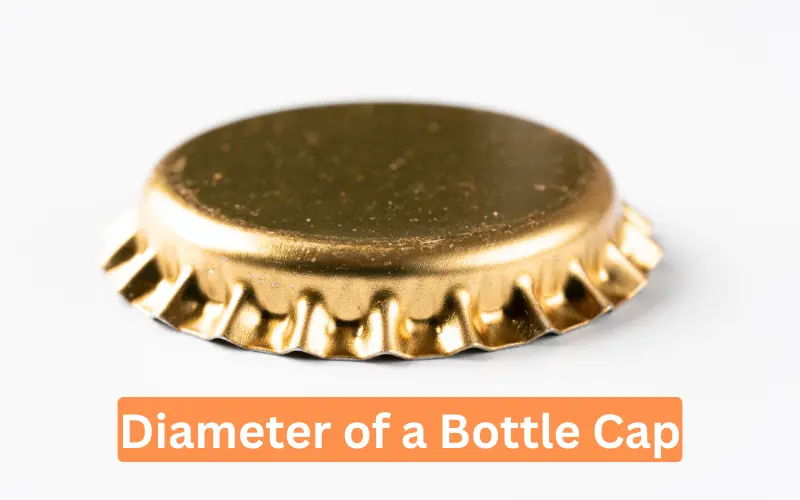
Most plastic bottle caps used on water or soda bottles are close to 1 inch in diameter.
This makes them a useful everyday comparison because they are easy to find and have a consistent size.
3. Length of a Small Paperclip
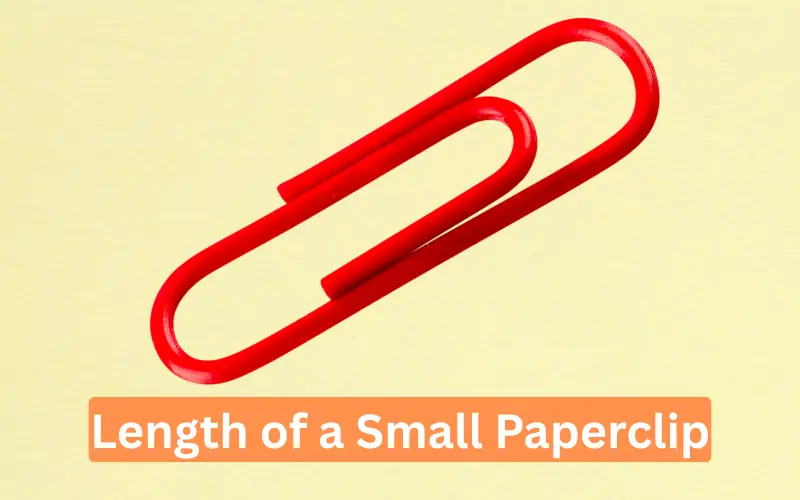
A standard small paperclip is typically around 1 inch long.
Office supplies like paperclips are designed with consistent dimensions, which makes them reliable for visual estimation
4. Height of Stacked Coins
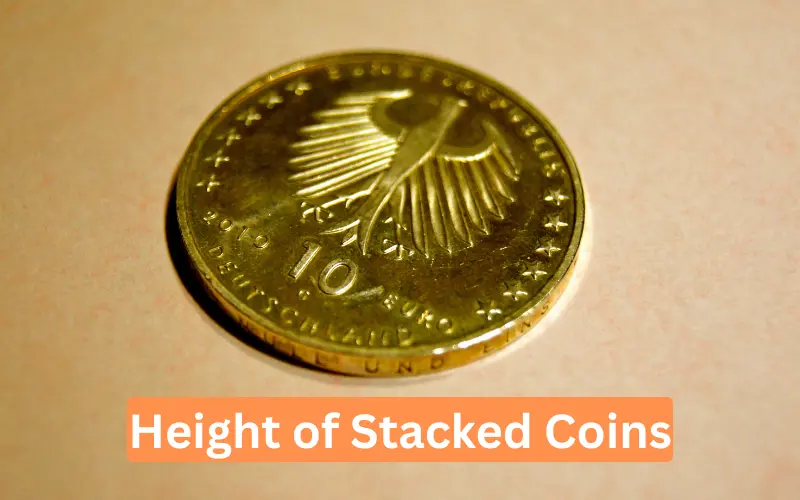
If you stack a few coins together, their total height can be close to 1 inch.
This is a simple trick that can help you estimate height without needing a ruler.
5. Small Dice (Cube Size)
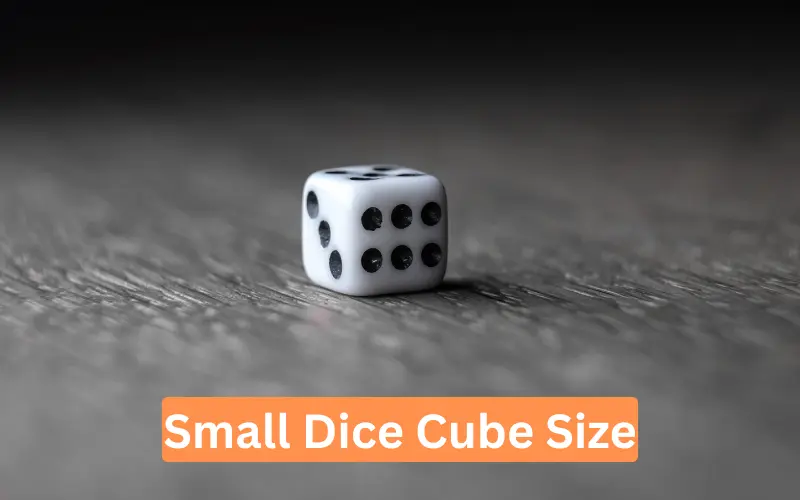
A small dice used in board games is often about 1 inch in size.
This is a great example because it shows 1 inch in all three dimensions—length, width, and height.
6. Shirt Button Size
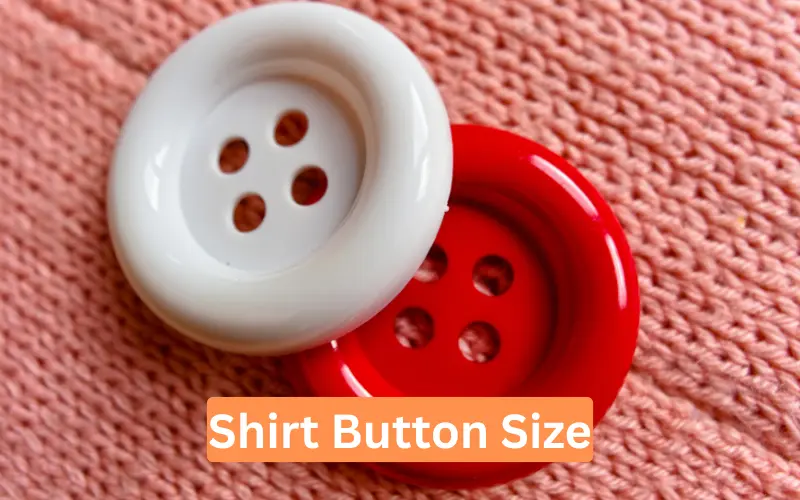
Many shirt buttons are approximately 1 inch wide.
Since buttons are part of daily clothing, they offer a practical and familiar comparison.
7. USB Flash Drive Width
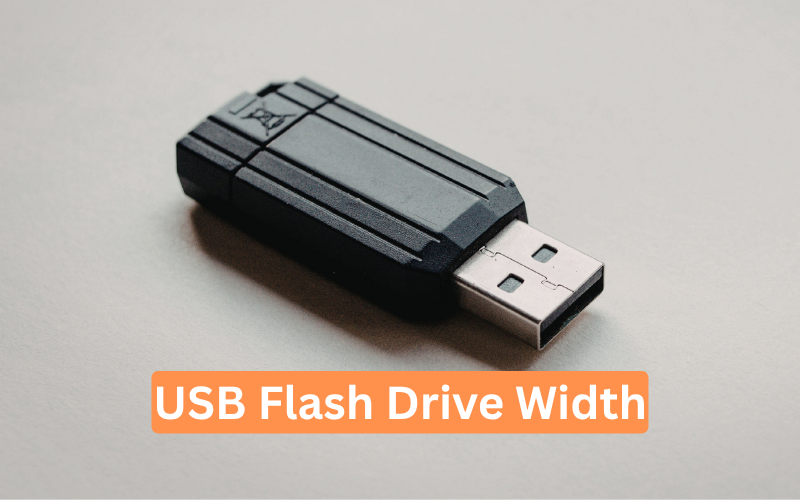
Some compact USB drives are designed with a width close to 1 inch.
Technology accessories often use inches for measurements, making them useful for understanding scale.
8. Mini Candle Height

Small decorative candles or tealights can measure around 1 inch in height.
These items are commonly used in homes, making them easy to recognize and compare.
9. Fingernail Length
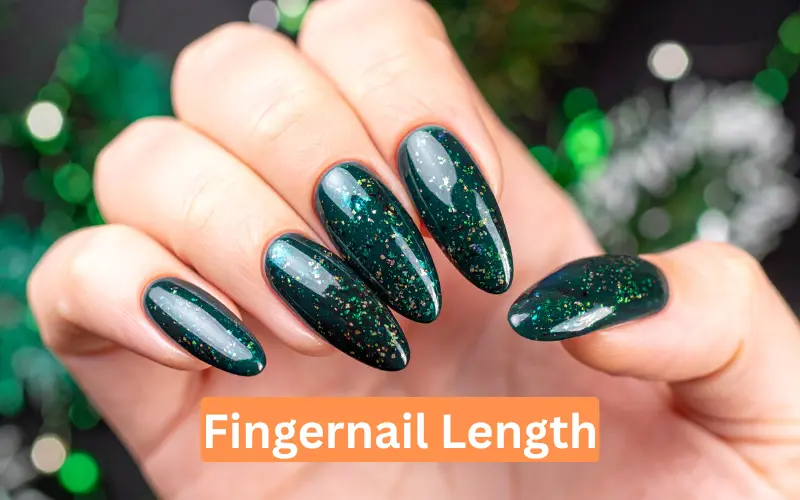
For some people, the length of a fingernail can be close to 1 inch.
Although it varies slightly, it still provides a rough estimate for quick comparisons.
10. Stapler Pin Strip Width
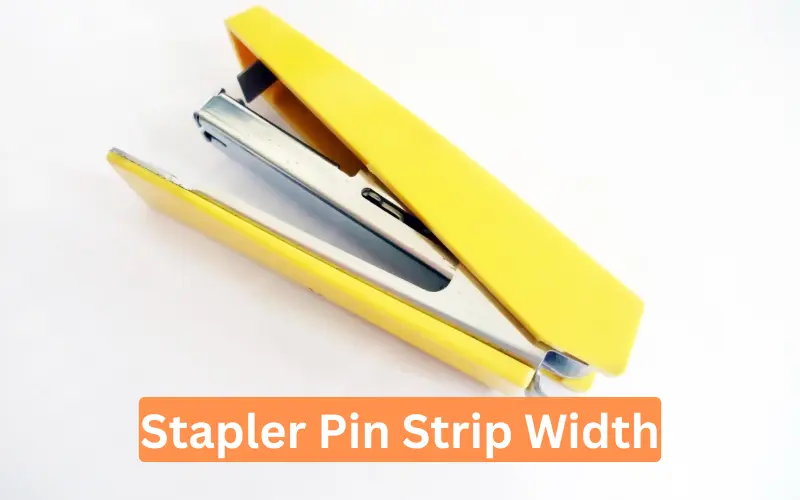
The width of a strip of stapler pins is often near 1 inch.
Office tools like this are another simple way to understand the measurement.
11. Key Head Width

The top part of a standard house key is often about 1 inch wide.
Because keys are used daily, they can serve as a quick reference.
12. Small Toy Block
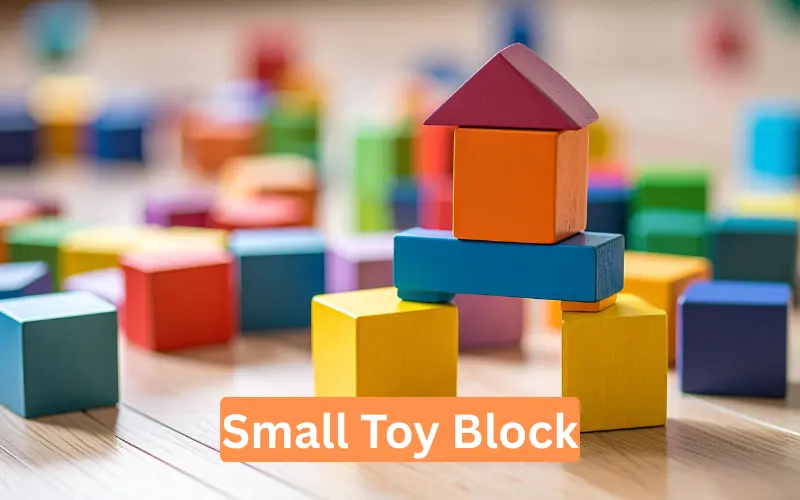
Children’s toy blocks are often made in 1-inch dimensions.
These blocks are especially useful for visualizing size in multiple directions.
13. Pencil Eraser Length
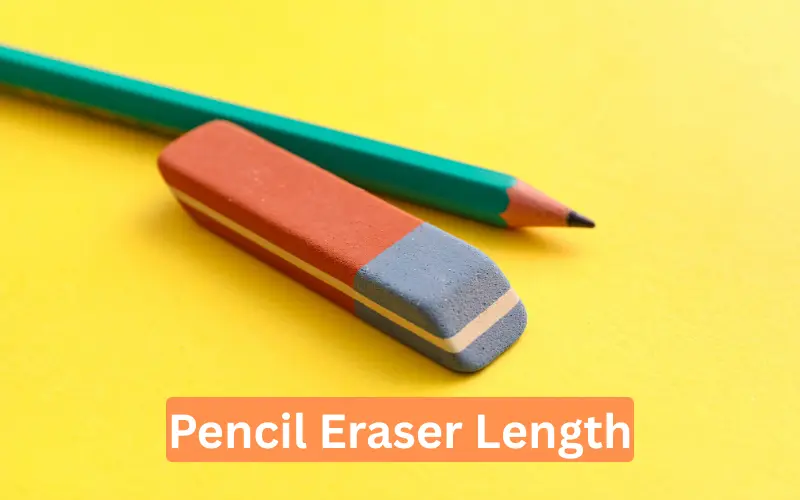
The eraser attached to many pencils is close to 1 inch long.
This is another everyday object that helps create a strong mental reference.
14. Bottle Lid Height
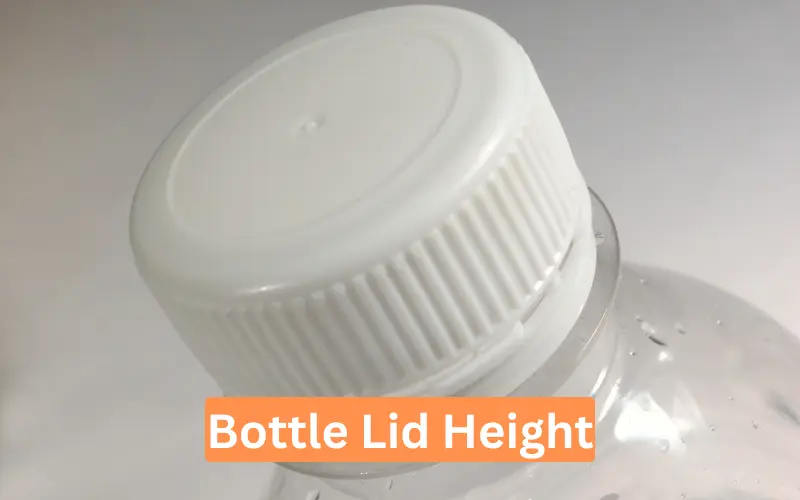
Some small bottle lids or caps have a height close to 1 inch.
This gives you an idea of vertical measurement as well.
How 1 Inch is Used in Technology
In modern technology, inches are one of the most common measurement units. Screen sizes for phones, laptops, tablets, and televisions are all measured in inches.
When you see a device labeled as 6 inches or 15 inches, it refers to the diagonal measurement of the screen. Even a difference of 1 inch can change how comfortable the device is to use.
This is why understanding how big 1 inch is becomes important when comparing gadgets or making purchase decisions.
How to Measure 1 Inch Without a Ruler
There are many situations where you may not have a ruler available. In such cases, simple estimation methods can help.
Using your thumb is one of the most reliable ways to estimate 1 inch. You can also compare objects like paperclips, bottle caps, or dice. With practice, your brain starts recognizing these sizes automatically.
Over time, estimating 1 inch becomes a natural skill that saves time and effort.
Is 1 Inch Considered Small or Big?
Whether 1 inch is considered small or large depends on context.
In large-scale measurements like room size or furniture, 1 inch is very small and often used for fine adjustments. However, in small objects like accessories, electronics, or design details, 1 inch can be quite noticeable.
This difference helps you apply the measurement correctly in different situations.
Common Mistakes When Understanding 1 Inch
One common mistake is confusing inches with centimeters. Since 1 inch equals 2.54 centimeters, assuming they are equal can lead to incorrect measurements.
Another mistake is overestimating its size. Because it is a small unit, people sometimes imagine it to be larger than it actually is.
Avoiding these mistakes improves accuracy in daily measurements and practical tasks.
We hope you guys find this guide helpful. Also, we have more guides on measurement here:
- 10 Common Things That Are Exactly 2 Inches Long
- 8 Common Things That Are Exactly 3 Inches Long
- 12 Common Things That Are Exactly 4 Inches Long
FAQs
How long is 1 inch exactly?
1 inch is exactly 2.54 centimeters or 25.4 millimeters.
How big is 1 inch visually?
It is about the width of a thumb or the size of a small dice.
How tall is 1 inch?
It is a very small height, similar to stacking a few coins.
Is 1 inch easy to estimate?
Yes, once you connect it with everyday objects, it becomes very easy.
Where is 1 inch commonly used?
It is widely used in screens, tools, small objects, and measurements.
Conclusion
How long is 1 inch, how tall is 1 inch, and how big is 1 inch becomes much easier when you relate it to real-life objects. While the exact value is 2.54 centimeters, practical comparisons like a thumb, paperclip, or dice make it far more meaningful.
As you begin to notice everyday items that are close to 1 inch, estimating measurements becomes natural and effortless. This not only saves time but also improves accuracy in daily tasks, whether you are measuring, comparing, or working on small projects.
Once you build this habit, 1 inch is no longer just a number—it becomes a familiar and useful reference in your everyday life.