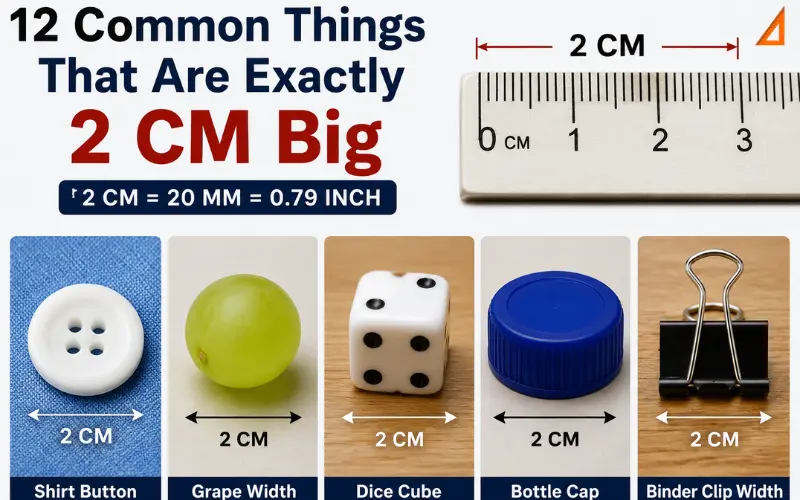

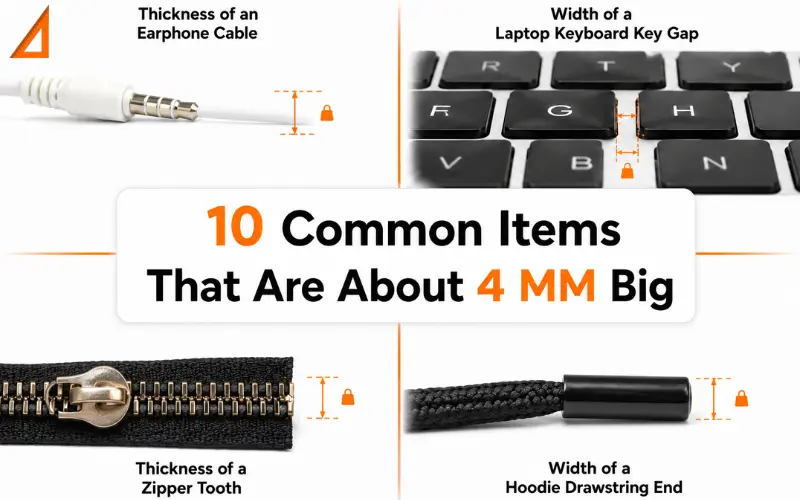
How big is 4 mm? It’s a very small measurement, but it is still large enough to notice clearly when compared with familiar everyday objects. Four millimeters equals approximately 0.157 inches, which makes it slightly thicker than tiny wires, thin zipper teeth, or narrow jewelry parts.
Most people hear measurements like 4 mm but struggle to imagine the actual size without using a ruler. That happens because the human eye is not naturally good at estimating tiny distances. Real-life comparisons work much better because your brain already recognizes the size and feel of common objects around you.
From charging cables and hoodie strings to keyboard gaps and drink straws, measurements around 4 mm appear in daily life more often than people realize. Once you become familiar with this size, estimating small objects becomes much easier while shopping, crafting, repairing electronics, or comparing accessories.
4 MM Conversion Table
| Measurement | Equivalent |
|---|---|
| 4 mm in centimeters | 0.4 cm |
| 4 mm in inches | 0.157 inches |
| 4 mm in meters | 0.004 m |
| 4 mm in micrometers | 4000 micrometers |
What Does 4 MM Look Like?
Four millimeters is small, but compared to 1 mm, 2 mm, or 3 mm, it already starts becoming easier to notice visually.
It is roughly:
- the thickness of some charging cables
- the width of small zipper teeth
- the diameter of thin drink straws
- the size of tiny watch parts
If you look at a ruler carefully, 4 mm only covers four tiny lines. However, comparing it with familiar objects gives a much faster understanding than ruler markings alone.
For example, the width of a thin earphone wire already gives a strong visual clue about what 4 mm feels like in real life.
Is 4 MM Big or Small?
4 mm is still considered a small measurement, but it is noticeably larger than extremely tiny sizes like 1 mm or 2 mm.
For example, a thin electrical wire may measure close to 4 mm, while a thick marker pen or USB connector is much larger. This puts 4 mm in the “small but visible” category.
In everyday situations, measurements around this size are commonly used in electronics, jewelry, crafts, watches, cables, fashion accessories, and household tools.
How To Estimate 4 MM Without a Ruler
One of the easiest ways to estimate 4 mm is by comparing it with objects you already handle daily.
A charging cable, hoodie string tip, zipper tooth, or thin straw can all provide quick visual references. Since these objects are already familiar, your brain remembers their size more naturally than ruler numbers.
Another useful trick is comparing multiple objects together. For example, the width of a laptop keyboard key gap is much smaller than a phone charging port but close to around 4 mm. Side-by-side comparisons like this help train your eyes to estimate small measurements faster.
10 Common Things That Are About 4 MM Big
These 10 common things that are about 4 MM big make small measurements much easier to picture in real life. From thin electrical wires and jewelry chains to rice grains and tiny screws, these familiar objects provide simple visual comparisons that help you quickly understand what 4 millimeters actually looks like without using a ruler.
1. Standard Earphone Cable Thickness
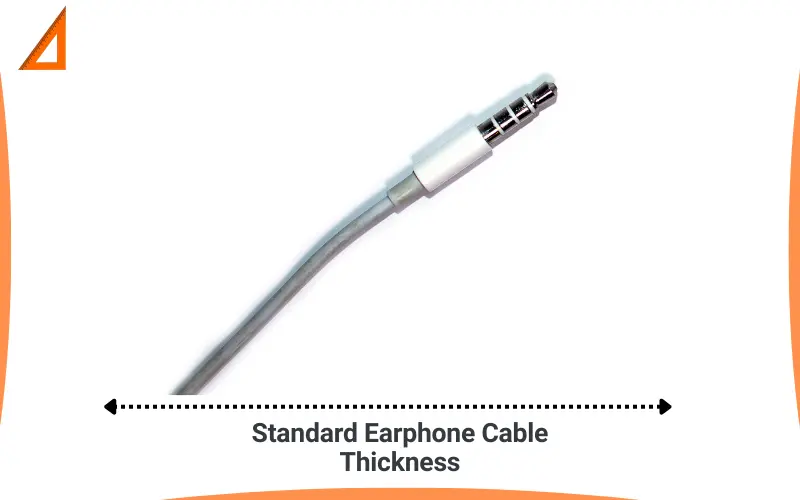
Many wired earphone cables measure close to around 4 mm thick near the main cord section. Since people use earphones almost every day while traveling, exercising, or watching videos, this comparison feels instantly familiar.
When you hold an earphone cable between your fingers, it feels thin but still strong enough not to snap easily. Compared to ultra-thin charging wires or delicate headphone cords, a 4 mm cable appears slightly thicker and more durable. Most people already recognize how an earphone cable looks hanging from a phone or laptop, making it one of the easiest ways to picture 4 mm in real life.
If you compare an earphone cable beside a thicker laptop charging wire, the difference becomes obvious immediately. The earphone cable still feels slim, but not as tiny as thread-like wires used in delicate electronics.
2. Thickness of Four Stacked Business Cards
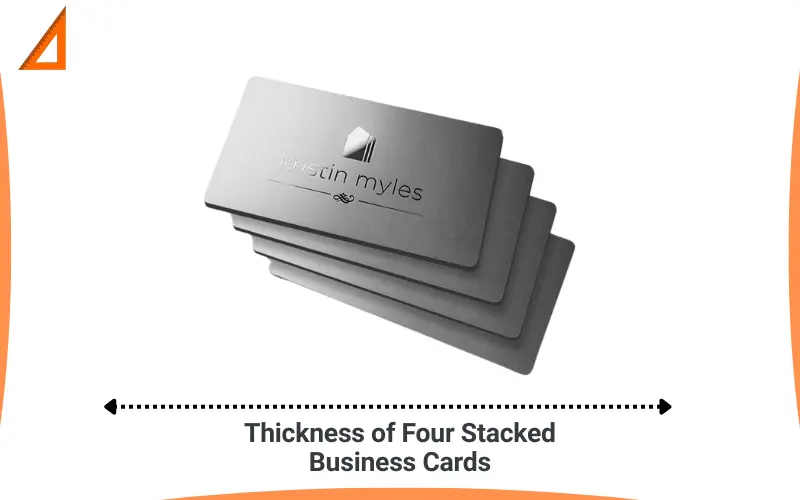
A single business card is usually around 0.8 to 1 mm thick, so stacking four together creates a height close to about 4 mm.
This comparison works well because business cards feel much firmer than paper sheets, making the thickness easier to notice visually. When stacked together, the cards create a small but visible block that helps the brain estimate this measurement naturally.
Compared to a thick notebook cover or cardboard packaging, 4 mm still feels slim, but it is much easier to notice than 1 or 2 mm. Most people already know the feel of holding multiple cards in one hand, which makes this a practical real-life measurement reference.
Looking at stacked cards from the side also gives a cleaner visual guide than trying to estimate tiny ruler lines.
3. Diameter of a Drinking Straw
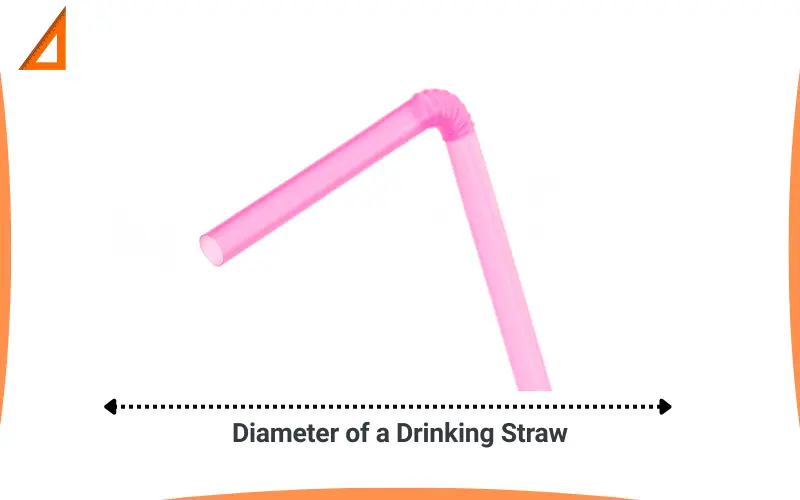
Some standard plastic drinking straws measure close to 4 mm in diameter, especially thinner juice straws used in small drink boxes.
Because straws are everyday household items, this creates a practical size comparison that most people can instantly recognize. When you look directly at the circular opening of a straw, the width gives a very accurate idea of what 4 mm looks like.
Compared to large smoothie straws or bubble tea straws, these thinner versions appear much narrower and more compact. A regular juice straw feels small enough for lightweight drinks while still remaining easy to hold comfortably.
This comparison also works well because people naturally interact with straws closely, making the size easier to remember visually.
4. Width of a Laptop Keyboard Key Gap
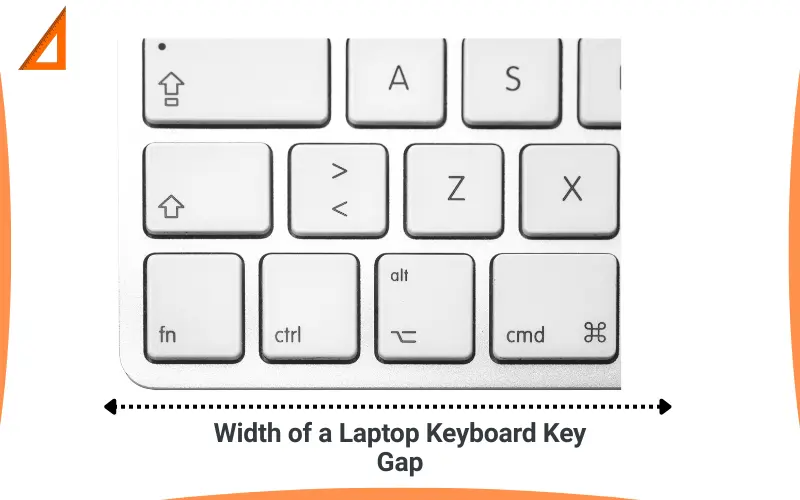
The small spacing between many laptop keyboard keys is often close to around 4 mm.
People spend hours typing every day but rarely notice these tiny measurements. Once you look carefully between the keys, the narrow gap gives a realistic visual guide for understanding how small 4 mm actually is.
Compared to wider desktop keyboard spacing, laptop keyboards usually feel more compact, which makes this a useful real-life measurement reference. The tight spacing also explains why laptop keyboards feel smaller and more compressed during typing.
Most people already know the size of a keyboard from memory, so this comparison helps create a fast mental picture without needing a ruler.
5. Thickness of a Zipper Tooth
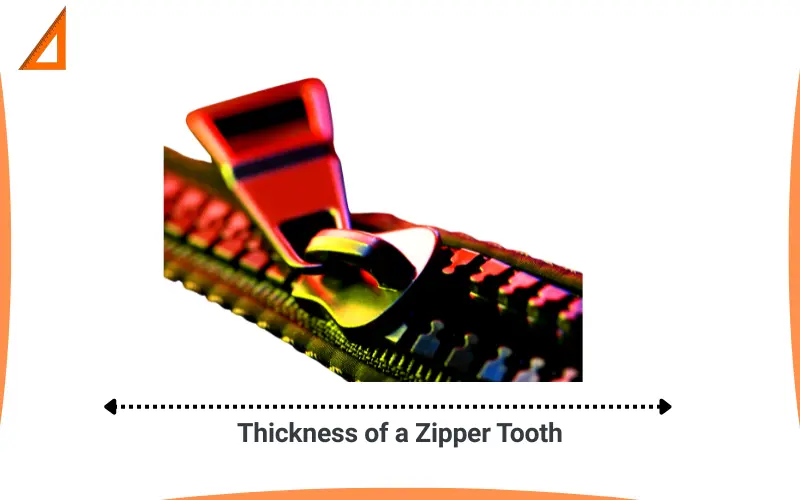
The individual teeth on medium-sized jacket or backpack zippers often measure approximately 4 mm wide.
This comparison feels relatable because almost everyone uses jackets, bags, or backpacks regularly. When you zip a jacket slowly and observe the teeth closely, the size becomes much easier to picture.
Compared to large heavy-duty suitcase zippers, a 4 mm zipper tooth appears smaller and more lightweight while still remaining clearly visible. Smaller zipper teeth also make clothing feel smoother and more flexible.
The next time you use a backpack or hoodie zipper, looking closely at the individual teeth can help you estimate 4 mm naturally.
6. Width of a USB Cable Tie
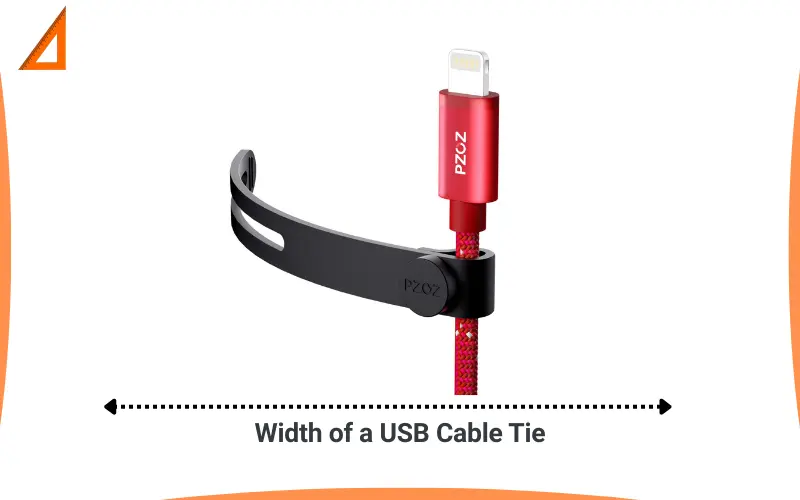
The small reusable straps used for tying USB cables together often measure around 4 mm wide.
These thin cable organizers are common around computer desks, TV setups, and office workstations. Because people handle them frequently while organizing wires, they create an excellent everyday size reference.
Compared to industrial cable straps used for thick electrical wires, these smaller ties feel much slimmer and easier to bend. They are designed for lightweight cables rather than heavy-duty use.
Most people already recognize the feel of wrapping these small straps around cords, making them easy visual examples for understanding 4 mm.
7. Thickness of a Toothpick Tip
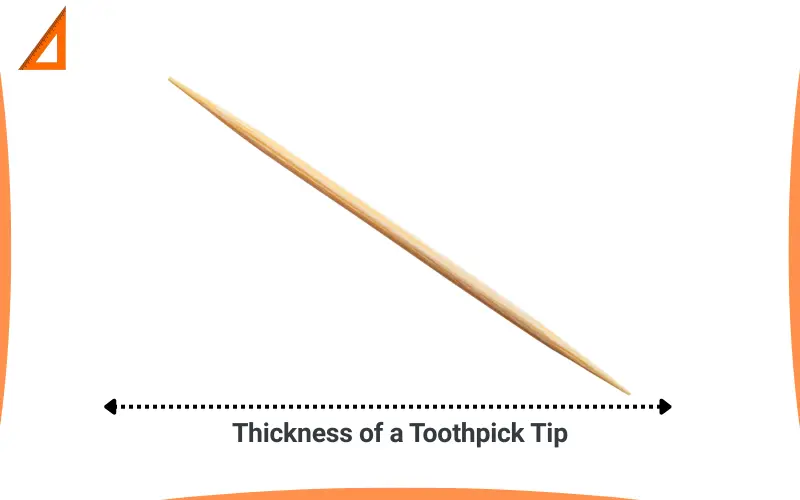
The pointed section near the end of a wooden toothpick can measure close to around 4 mm before narrowing further at the tip.
Most people already know how small a toothpick feels in the hand, making this comparison easy to remember. Looking closely at the upper pointed area helps create a more accurate mental picture of small millimeter measurements.
Compared to pencils or chopsticks, the toothpick appears extremely thin and lightweight. However, it still feels stronger and more noticeable than thread or sewing needles.
This comparison works especially well because toothpicks are common in restaurants, kitchens, and homes worldwide.
8. Diameter of a Small Watch Pin
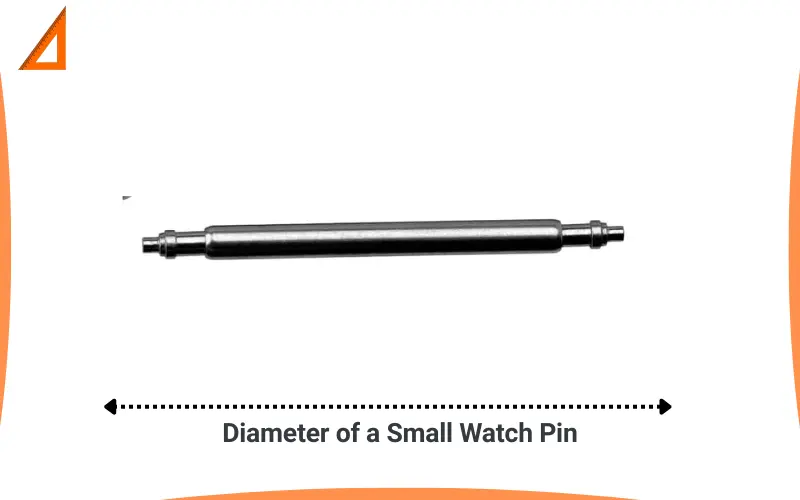
The tiny metal pins used inside wristwatch bands often measure roughly around 4 mm in width.
Watch repair parts are designed with very precise measurements, which makes them useful for understanding small dimensions. Compared to normal household screws or nails, these tiny pins appear almost miniature.
People who have adjusted watch straps before may already recognize how delicate and compact these pieces feel. Even though they are tiny, they still need enough thickness to support the watch band securely.
Compared to thicker jewelry parts, these pins show how 4 mm can remain functional while still appearing very small.
9. Width of a Hoodie Drawstring End
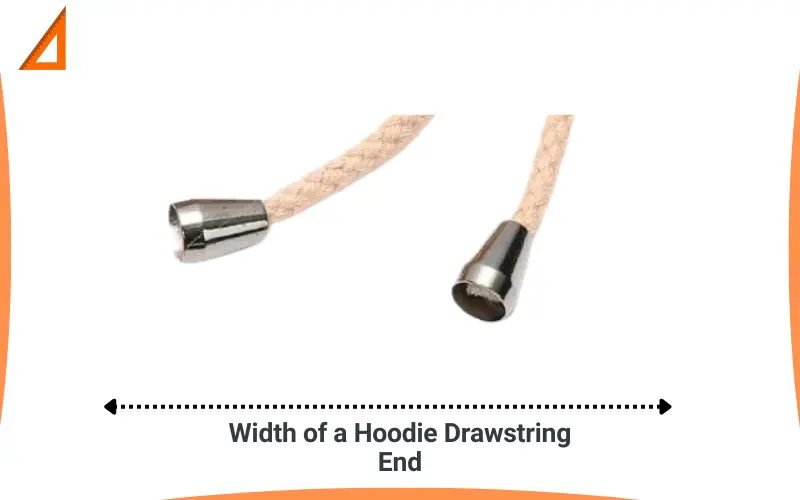
The plastic or metal cap at the end of many hoodie drawstrings often measures close to about 4 mm wide.
This is another highly recognizable object because hoodies are worn everywhere. When you hold the drawstring end between your fingers, the thickness gives a very practical real-life comparison for visualizing 4 mm.
Compared to shoelace tips, hoodie string ends usually appear slightly thicker and sturdier. They are designed to prevent fraying while also making the string easier to grip.
Since people constantly touch hoodie strings during daily wear, this measurement becomes surprisingly easy to remember visually.
10. Thickness of a Tablet Charging Wire
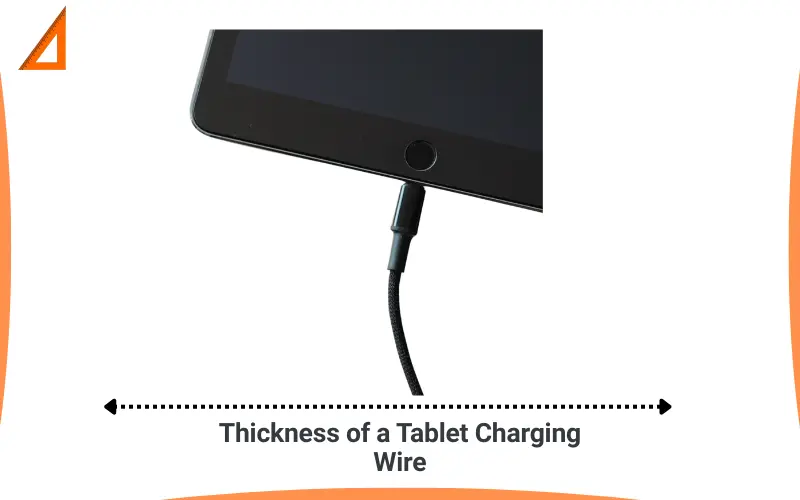
Many tablet charging cables measure around 4 mm thick near the outer rubber coating.
Unlike ultra-thin earphone wires, tablet cables need extra durability because they carry more power and bend frequently during daily use. This makes them slightly thicker and easier to notice visually.
Most people already recognize the feel of a charging cable wrapped around a desk or plugged beside a bed, which makes this comparison useful for estimating 4 mm quickly without using a ruler.
Compared to heavy laptop chargers, however, tablet cables still appear relatively slim and lightweight.
Real-Life Situations Where 4 MM Matters
Measurements around 4 mm are commonly used in:
- electronics and cables
- jewelry sizing
- watches and accessories
- sewing tools
- crafts and DIY work
- hardware screws
- packaging materials
- 3D printing
Even tiny differences in millimeters can change how objects fit, feel, or function.
4 MM Compared to Other Small Measurements
Compared to 2 mm, 4 mm feels noticeably thicker and easier to identify quickly.
However, beside 5 mm or 6 mm objects, it still appears fairly slim. For example, a charging cable might measure around 4 mm while a marker cap could be much thicker.
These side-by-side comparisons help improve visual size estimation in daily life.
FAQs
How big is 4 mm in inches?
4 mm equals approximately 0.157 inches.
Is 4 mm considered small?
Yes, 4 mm is still considered a small measurement.
What objects are about 4 mm thick?
Earphone cables, zipper teeth, hoodie string ends, and small watch pins are close to around 4 mm.
How can I estimate 4 mm without a ruler?
You can compare it with charging cables, straws, or zipper teeth.
Is 4 mm bigger than 3 mm?
Yes, 4 mm is slightly thicker and easier to notice visually.
Conclusion
At first glance, 4 mm may seem too small to picture clearly, but familiar everyday objects make the measurement much easier to understand. Items like charging cables, zipper teeth, keyboard gaps, and hoodie string ends provide realistic comparisons that help turn a tiny number into something visual and memorable.
Once you become familiar with what 4 mm looks like, estimating small measurements becomes much easier in electronics, shopping, crafts, repairs, and everyday tasks.