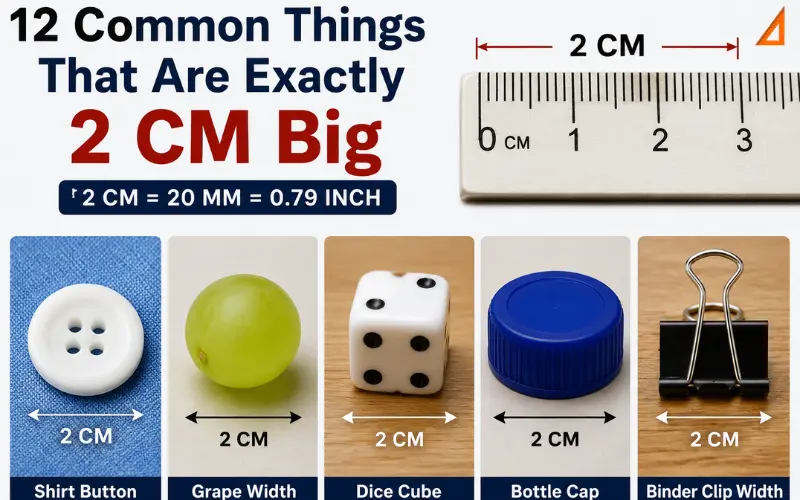

How big is 5 mm? It’s still considered a small measurement, but compared to 2 mm, 3 mm, or 4 mm, it becomes much easier to notice in everyday objects. Five millimeters equals approximately 0.19 inches, which is close to the thickness of some charging cables, small beads, zipper pulls, or compact hardware parts. Even though the number sounds tiny, you probably interact with objects around this size every day without realizing it.
Most people struggle to picture millimeter measurements because they are too small to estimate accurately by eye alone. That’s why real-life size comparisons work much better than ruler markings. Familiar objects help your brain create a quick visual memory, making it easier to estimate measurements naturally in daily situations like shopping, crafting, electronics, jewelry sizing, or DIY work.
5 MM Conversion Table
| Measurement | Equivalent |
|---|---|
| 5 mm in centimeters | 0.5 cm |
| 5 mm in inches | 0.197 inches |
| 5 mm in meters | 0.005 m |
| 5 mm in micrometers | 5000 micrometers |
What Does 5 MM Look Like?
Five millimeters is small, but it is already thick enough to notice clearly beside thinner objects.
It is roughly:
- the thickness of some USB charging cables
- the width of medium zipper pulls
- the size of small peas or beads
- the thickness of stacked coins
Compared to 3 mm or 4 mm, 5 mm appears slightly chunkier and easier to hold visually. It still feels compact, but not extremely tiny anymore.
For example, many people already recognize the feel of a standard charging cable in the hand, which makes it easier to imagine what 5 mm actually looks like.
Is 5 MM Big or Small?
5 mm is still considered small, but compared to very tiny measurements like 1 mm or 2 mm, it becomes much easier to notice immediately.
For instance, a small jewelry bead might measure around 5 mm, while a thick marker pen or battery is obviously much larger. This makes 5 mm sit in the middle range where it is small yet clearly visible.
Measurements around this size are commonly used in:
- jewelry
- electronics
- craft supplies
- hardware tools
- fashion accessories
- sewing materials
- cable thickness
How To Estimate 5 MM Without a Ruler
One of the easiest ways to estimate 5 mm is by comparing it with familiar household objects.
A standard earphone wire, hoodie drawstring tip, or small zipper pull can help provide a quick visual reference. Since people already recognize how these objects look and feel, estimating 5 mm becomes much easier naturally.
Another helpful trick is comparing it beside coins or keyboard buttons. Once you become familiar with this size range, your eyes start recognizing it automatically during everyday tasks.
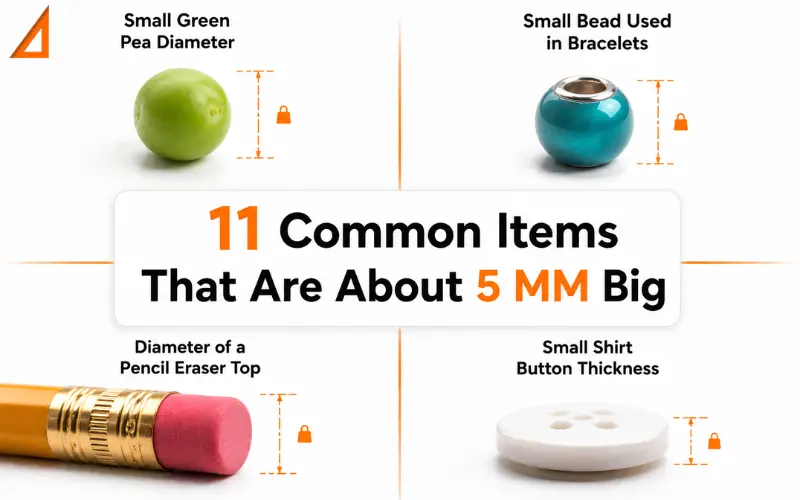
11 Common Things That Are About 5 MM Big
These 11 common things that are about 5 MM big help make small measurements much easier to picture in real life. Everyday objects like charging cables, small beads, zipper pulls, shirt buttons, and hoodie strings provide practical size comparisons that help you quickly understand what 5 millimeters actually looks like without using a ruler. Since most people already recognize the feel and appearance of these items, visualizing 5 MM becomes much more natural and accurate.
1. Standard USB Charging Cable Thickness
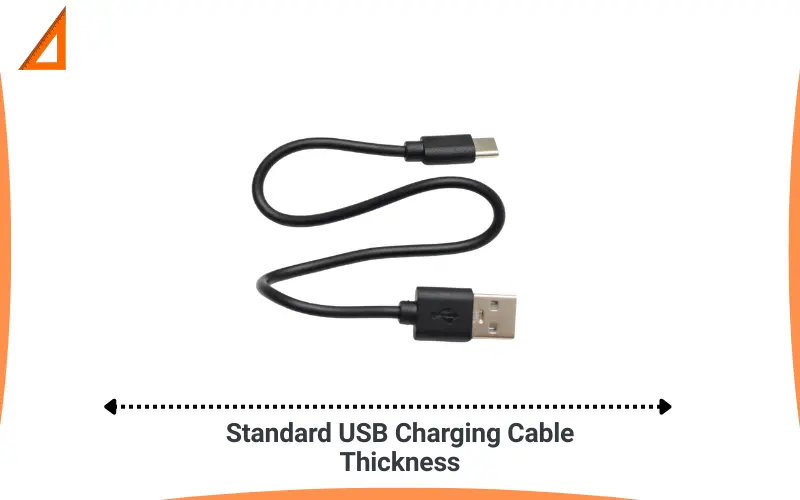
Many USB charging cables measure close to around 5 mm thick near the outer rubber coating. Since almost everyone uses phone chargers daily, this becomes one of the easiest real-life comparisons for understanding 5 mm.
When you hold a charging cable between your fingers, it feels flexible but still sturdy enough to survive bending and twisting. Compared to ultra-thin earphone wires, a 5 mm charging cable appears noticeably thicker and more durable.
Most people already recognize the size of a charger wrapped beside a bed or desk, which makes this a strong everyday measurement reference.
2. Small Green Pea Diameter
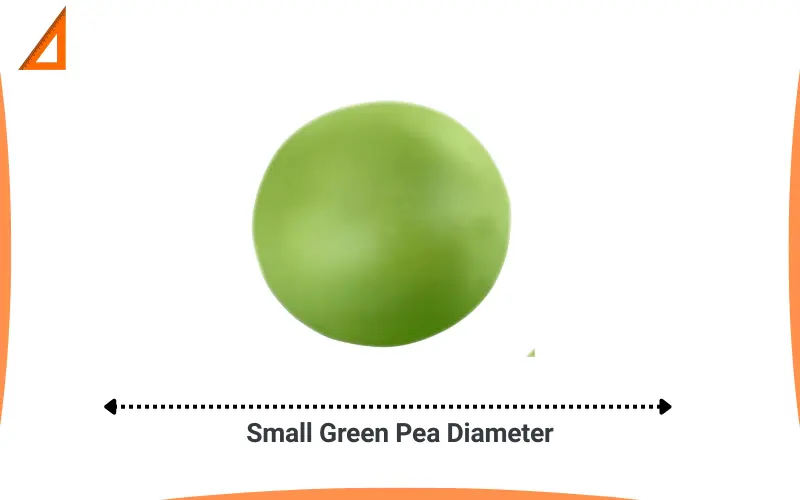
A standard green pea is often close to about 5 mm in diameter depending on the variety.
Food items create excellent visual comparisons because people see them regularly without needing rulers. A pea feels small in the hand, but it is still large enough to notice clearly on a plate or cutting board.
Compared to tiny seeds or grains of rice, a pea looks fuller and rounder, helping demonstrate how 5 mm appears in real life.
3. Thickness of Five Stacked Credit Cards
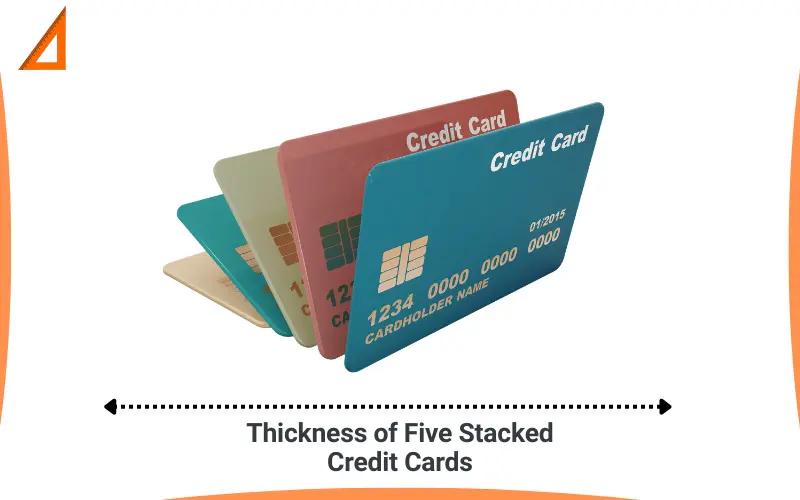
A single credit card is usually around 1 mm thick, so stacking five together creates a height close to 5 mm.
This comparison works well because stacked cards create a clean, straight measurement that is easy to observe from the side. The small stack feels compact but clearly visible between the fingers.
Compared to thin paper sheets, the cards feel much firmer and heavier, which helps the brain understand that 5 mm is not microscopic — it is small but noticeable.
4. Medium Hoodie Drawstring Width
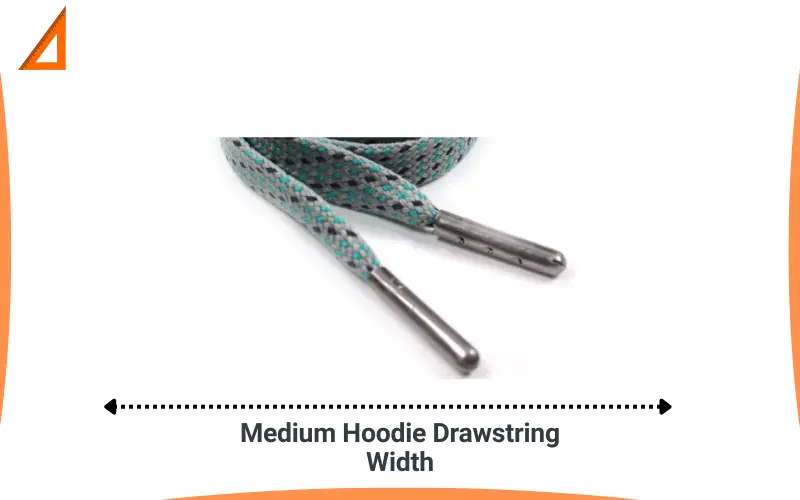
Many hoodie drawstrings measure roughly around 5 mm thick near the fabric cord section.
Because hoodies are worn almost everywhere, this creates a practical real-world size comparison. When you pull or tie hoodie strings, the thickness becomes easy to notice without thinking about measurements.
Compared to thin shoelaces, hoodie strings usually feel softer, wider, and more comfortable to grip. This makes them a useful everyday reference for visualizing 5 mm.
5. Small Bead Used in Bracelets
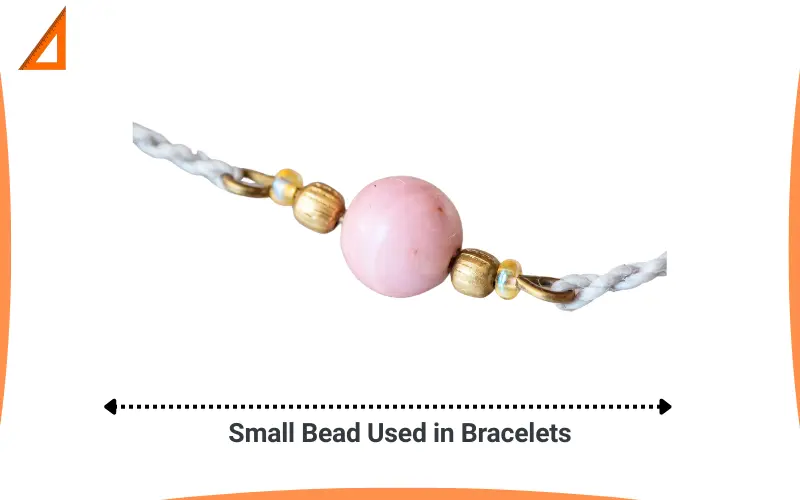
Many bracelet beads used in crafts or jewelry making measure approximately 5 mm wide.
Jewelry stores often list bead sizes in millimeters, so understanding this measurement becomes helpful while shopping online. A 5 mm bead looks small individually but becomes much more noticeable when multiple beads are placed together on a bracelet.
Compared to larger decorative beads, 5 mm beads feel lighter and more subtle while still remaining easy to see.
6. Diameter of a Pencil Eraser Top
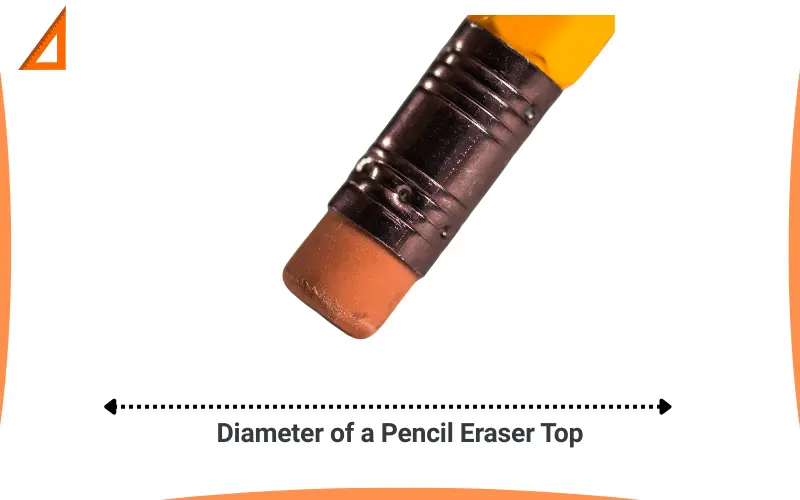
The top section of certain pencil erasers can measure close to around 5 mm thick.
Pencils are familiar household objects found in schools, offices, and homes worldwide. Looking at the upper edge of an eraser provides a surprisingly accurate size comparison.
Compared to thicker marker caps or crayons, the eraser edge still feels relatively slim, but clearly larger than tiny needle-sized objects.
7. Small Shirt Button Thickness
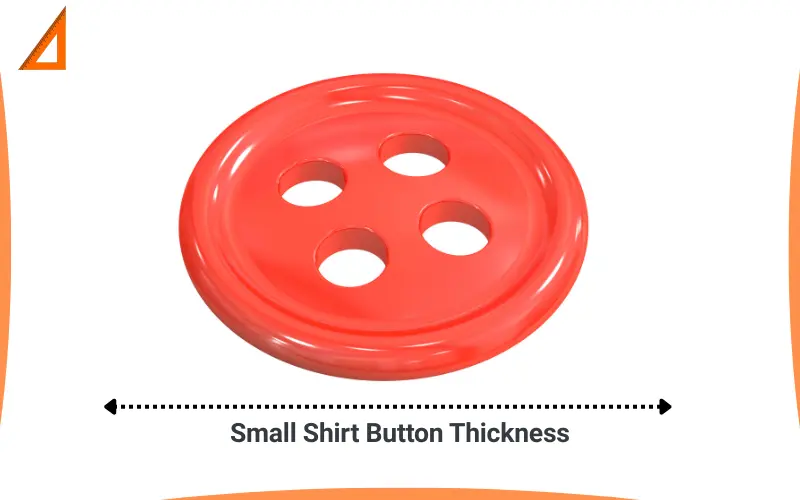
Some shirt buttons measure close to about 5 mm thick depending on material and design.
People handle buttons daily but rarely think about their exact measurements. Looking at a button from the side gives a useful visual clue about small millimeter sizes.
Compared to heavy coat buttons or jacket buttons, shirt buttons feel lighter and thinner while still remaining noticeable enough to grip easily.
8. Width of a Laptop Charging Wire
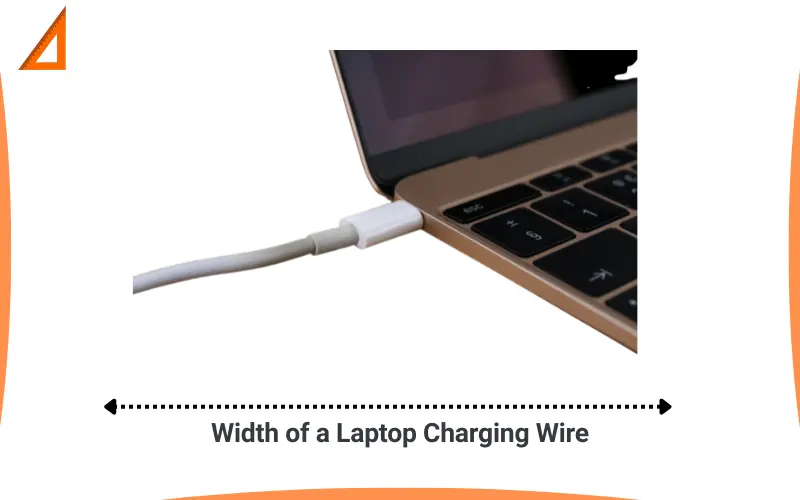
Laptop charging cables are usually thicker than phone chargers, and some sections measure roughly around 5 mm.
This comparison works especially well because people already recognize the feel of sturdy charging wires around desks and workspaces. Compared to delicate earphone cords, these cables appear more solid and durable.
The next time you hold a laptop charger, the cable thickness can help you estimate 5 mm naturally without needing measurement tools.
9. Thickness of a Zip Tie
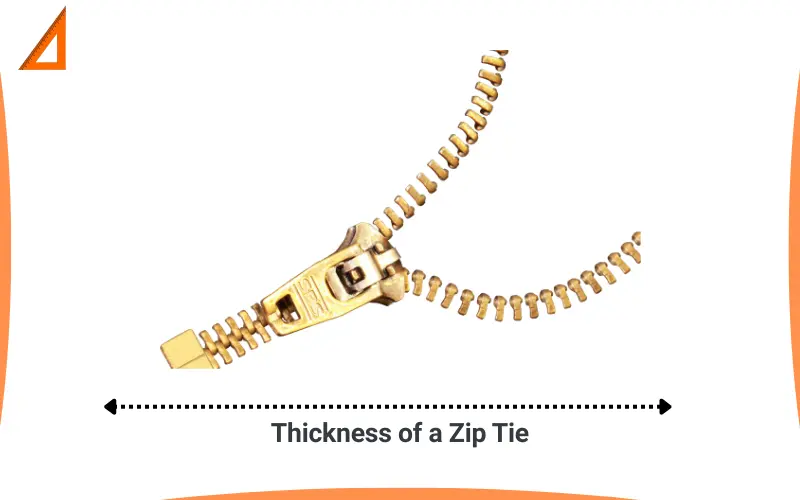
Small zip ties used for organizing computer wires often measure approximately 5 mm wide.
These ties are commonly used behind TVs, desks, gaming setups, or office stations. Since people interact with them during cable management, they become useful everyday measurement references.
Compared to industrial zip ties used for heavy-duty work, smaller ties still feel flexible and lightweight while remaining easy to notice visually.
10. Diameter of a Small Earbud Tip
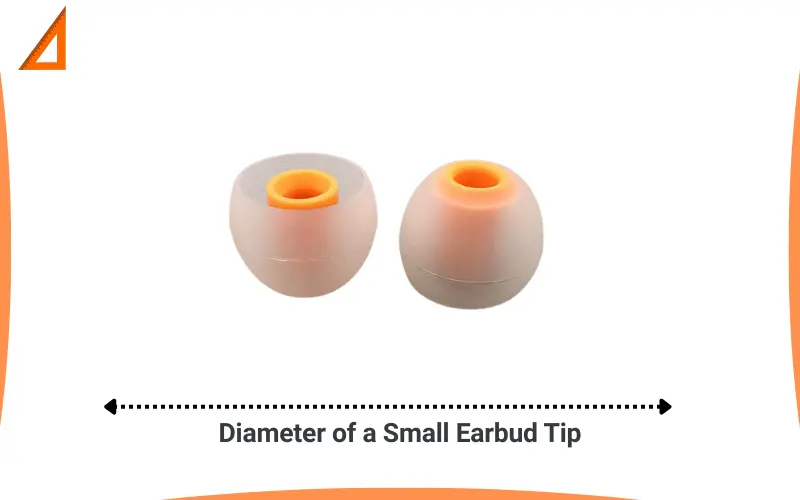
Some silicone earbud tips measure around 5 mm in certain inner sections.
Because wireless earbuds are extremely common today, this creates a modern and relatable size comparison. When you hold an earbud close to your fingers, the opening appears small but still clearly visible.
Compared to large over-ear headphone cushions, earbud tips feel compact and lightweight, helping create a realistic understanding of 5 mm.
11. Width of a Backpack Zipper Pull
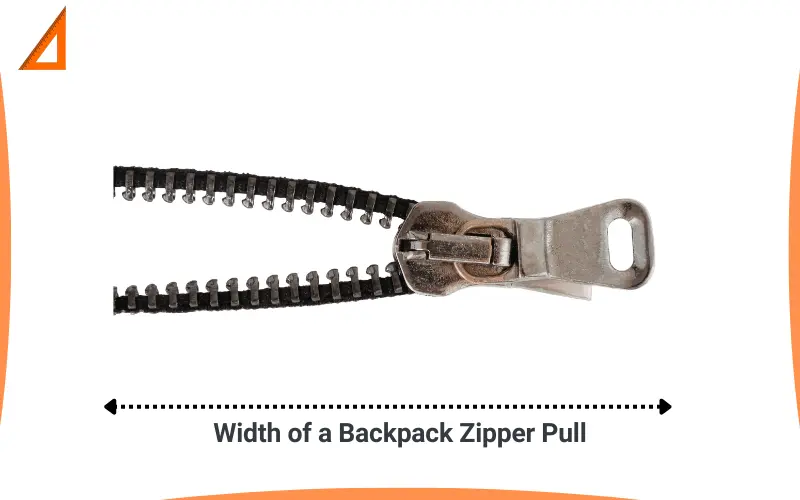
The small pull section on lightweight backpack zippers often measures close to about 5 mm wide.
Backpacks, gym bags, and travel bags use zippers constantly, making this a highly recognizable everyday object. The pull tab feels small enough for quick grip while still remaining durable.
Compared to thick suitcase zipper pulls, smaller backpack zipper parts appear slimmer and easier to move quickly with one hand.
Real-Life Situations Where 5 MM Matters
Measurements around 5 mm are commonly used in:
- jewelry sizing
- cable thickness
- sewing and crafts
- electronics
- hardware tools
- zipper designs
- fashion accessories
- DIY projects
Even a difference of 1 or 2 millimeters can change how an object fits, feels, or functions.
5 MM Compared to Other Measurements
Compared to 3 mm, 5 mm appears noticeably thicker and easier to recognize quickly.
However, beside 1 centimeter, it still feels fairly small. This middle-sized range helps people estimate small household objects more accurately.
Side-by-side comparisons train the eye much better than ruler numbers alone.
FAQs
How big is 5 mm in inches?
5 mm equals approximately 0.197 inches.
Is 5 mm considered small?
Yes, 5 mm is still considered a small measurement.
What objects are about 5 mm thick?
Charging cables, beads, zipper pulls, and small buttons are often close to around 5 mm.
How can I estimate 5 mm quickly?
You can compare it with a USB cable, pea, or hoodie drawstring.
Is 5 mm bigger than 4 mm?
Yes, 5 mm is slightly thicker and easier to notice visually than 4 mm.
Conclusion
At first glance, 5 mm may sound too small to picture clearly, but familiar objects make the measurement much easier to understand. Everyday items like charging cables, zipper pulls, beads, and peas provide realistic comparisons that help turn a tiny number into something visual and memorable.
Once you become familiar with what 5 mm looks like, estimating small measurements becomes much easier during shopping, crafting, electronics work, repairs, and daily household tasks.