
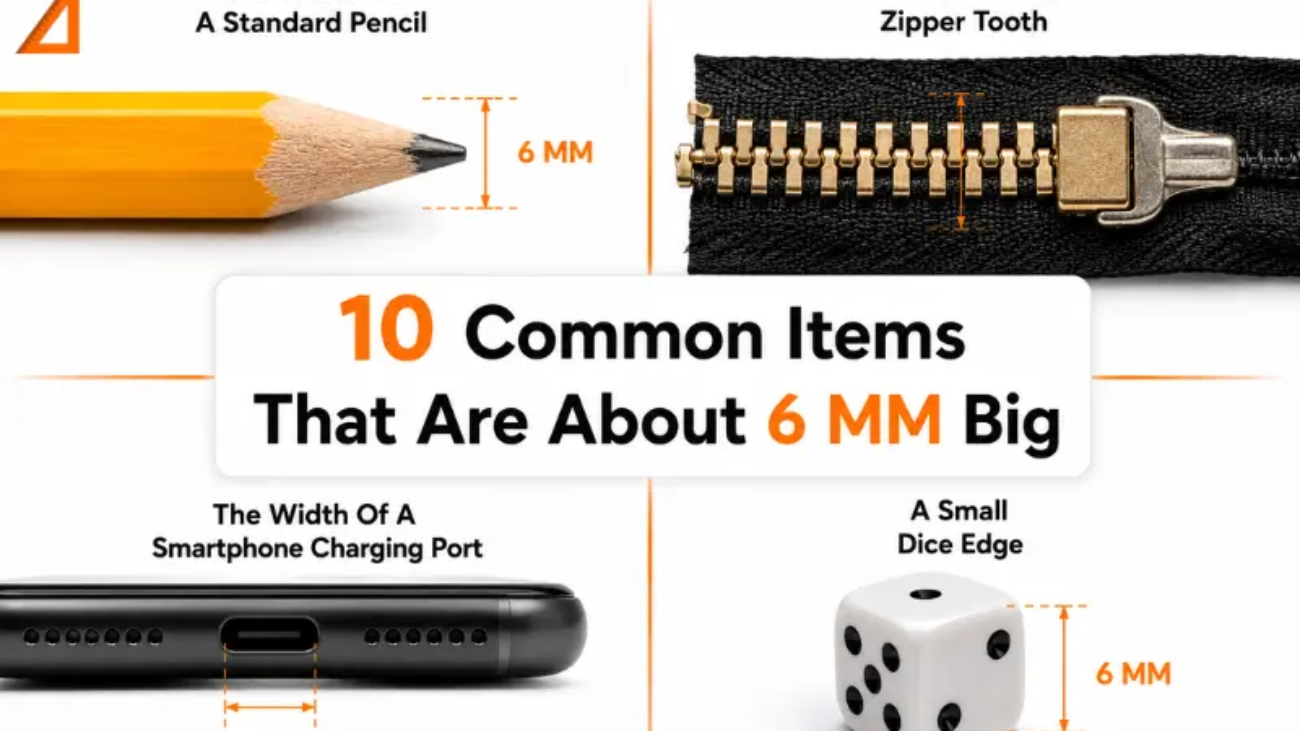
How big is 6 mm? Even though it sounds like a very small measurement, 6 millimeters is actually a size you see all the time in daily life. It equals approximately 0.23 inches, which is slightly larger than 5 mm and much easier to notice visually compared to tiny measurements like 1 mm or 2 mm.
Most people cannot picture millimeters just by hearing numbers alone. That’s why real-life comparisons work much better than rulers. Familiar objects help create a quick visual memory, making it easier to estimate measurements naturally while shopping online, doing crafts, using electronics, or comparing object sizes at home.
You probably interact with objects around 6 mm every day without realizing it. From hoodie strings and charging cables to bracelet beads and hardware screws, this measurement appears in many common household items.
6 MM Conversion Table
| Measurement | Equivalent |
|---|---|
| 6 mm in centimeters | 0.6 cm |
| 6 mm in inches | 0.236 inches |
| 6 mm in meters | 0.006 meters |
| 6 mm in micrometers | 6000 micrometers |
What Does 6 MM Look Like?
Six millimeters is small, but it is already large enough to notice clearly with the naked eye. It feels thicker than thin wires or tiny seeds, yet still compact enough to fit comfortably between your fingertips.
It is roughly close to:
- the thickness of some charging cables
- the width of hoodie drawstrings
- the size of small bracelet beads
- the thickness of stacked credit cards
Compared to 3 mm or 4 mm, 6 mm appears noticeably chunkier and easier to recognize instantly. However, beside 1 centimeter, it still feels fairly compact and small.
Most people already know how a charging wire or hoodie string feels in the hand, which makes these objects excellent everyday size comparisons for understanding 6 mm naturally.
Is 6 MM Big Or Small?
6 mm is still considered a small measurement, but it is much easier to notice compared to tiny sizes like 1 mm or 2 mm.
For example, it is thicker than most earphone wires, slightly wider than some zipper teeth, and close to the size of many jewelry beads or hardware screws. Measurements around this size are commonly used in crafts, electronics, jewelry making, fashion accessories, tools, and DIY projects.
Because 6 mm sits in the middle range between tiny and noticeable, it becomes much easier to estimate visually during everyday tasks.
How To Estimate 6 MM Without A Ruler
One of the easiest ways to estimate 6 mm is by comparing it with familiar objects you already use daily.
A hoodie drawstring, thick charging cable, or reusable drinking straw can instantly help create a mental picture of this size. Since people already recognize the feel and thickness of these objects naturally, estimating 6 mm becomes much easier without using measuring tools.
Another helpful trick is stacking six credit cards together. The combined thickness comes very close to 6 mm and provides a simple visual reference that almost anyone can try at home.
10 Common Things That Are About 6 MM Big
| Common Object | Approximate Size |
|---|---|
| The Width Of A Standard Pencil | 6 MM |
| The Diameter Of A Small Marble | 6 MM |
| A Thick Jacket Zipper Tooth | 6 MM |
| The Width Of A Smartphone Charging Port | 6 MM |
| A Small Dice Edge | 6 MM |
| A Thick Marker Pen Tip | 6 MM |
| The Diameter Of A Small Button Battery | 6 MM |
| A Compact Earphone Jack Adapter | 6 MM |
| The Width Of A Thick Candle Wick | 6 MM |
| A Small LEGO Connector Piece | 6 MM |
1. The Width Of A Standard Pencil
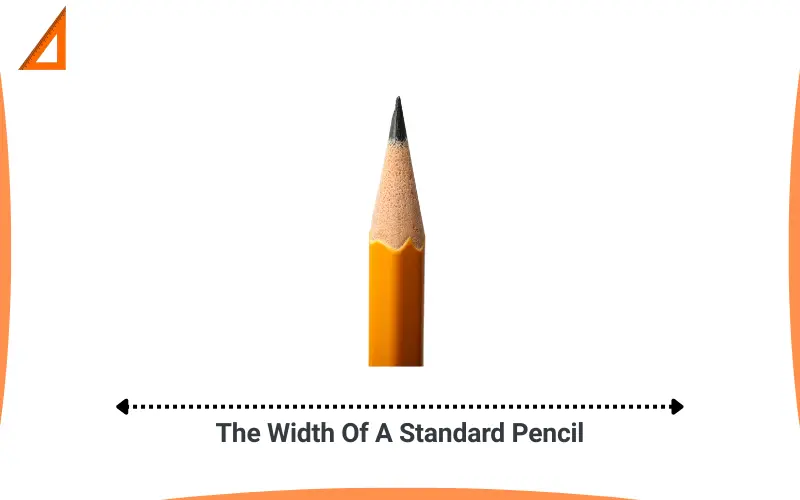
Many wooden pencils measure close to around 6 mm thick near the middle section. Since pencils are used in schools, offices, and homes everywhere, this becomes a very familiar way to picture 6 mm in real life.
When you hold a pencil between your fingers, it feels slim but still thick enough for a comfortable grip while writing. Compared to thin mechanical pencils, a standard wooden pencil appears noticeably chunkier and easier to hold for longer periods.
Most people already recognize the feel and size of a pencil instantly, which makes it a practical everyday measurement reference.
2. The Diameter Of A Small Marble
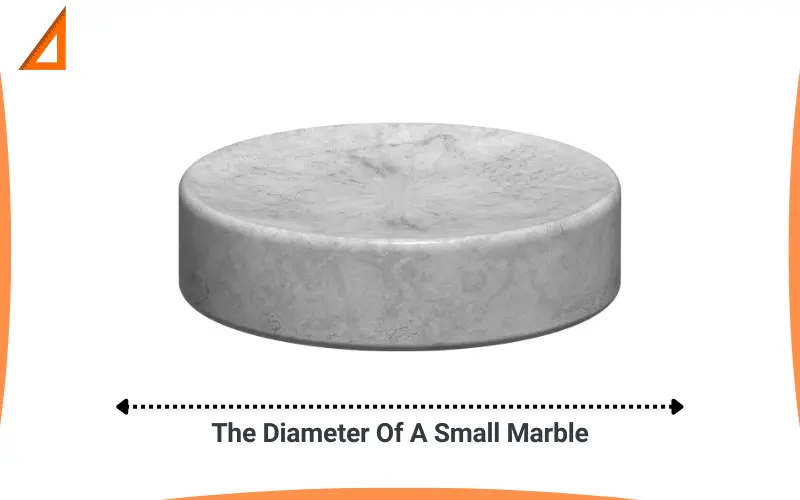
Some small toy marbles are approximately 6 mm wide. Even though marbles look tiny at first glance, they are still clearly visible when rolled across a table or held in the palm.
Compared to large decorative marbles, a 6 mm marble feels lightweight and compact, yet bigger than tiny beads or seeds. Children often use marbles in games, crafts, or decoration jars, making them recognizable household objects.
The smooth round shape also helps people visualize the measurement more naturally than flat objects.
3. A Thick Jacket Zipper Tooth
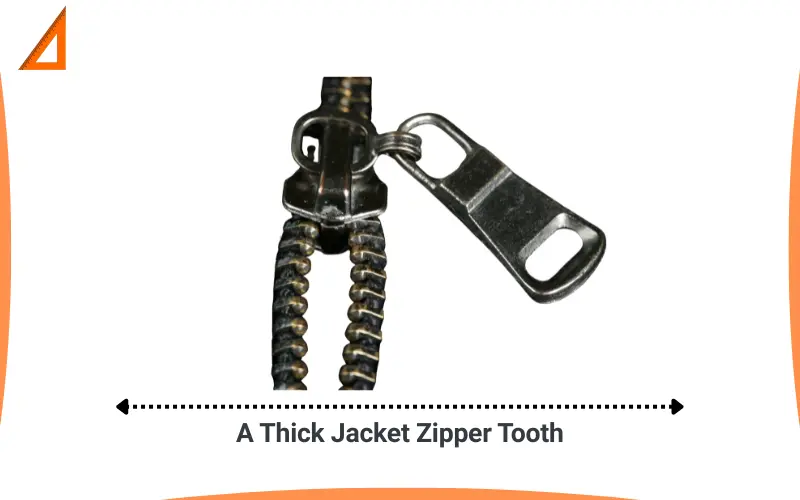
The teeth on some winter jacket zippers measure roughly around 6 mm wide. Compared to small zipper teeth on jeans or wallets, heavy jacket zippers appear much larger and sturdier.
People already notice these zippers during winter because they are easier to grab while wearing gloves. The thickness makes the zipper feel more durable and smoother to pull repeatedly.
Since jackets are worn seasonally almost everywhere, this creates another relatable real-world size comparison for understanding 6 mm.
4. The Width Of A Smartphone Charging Port
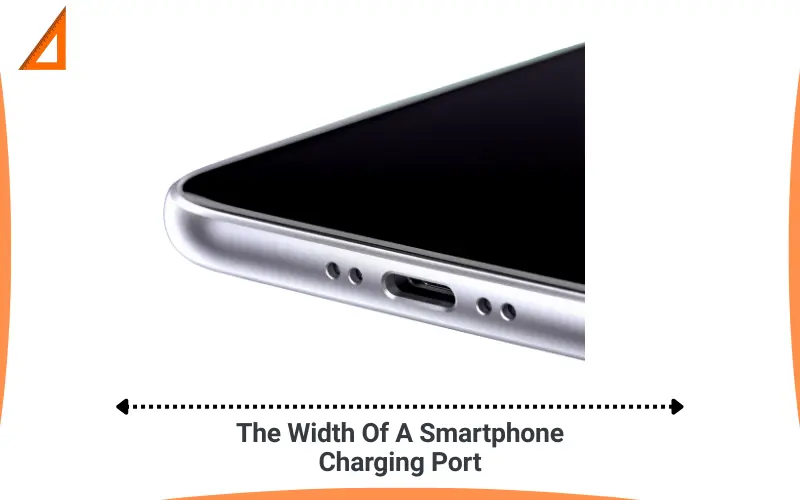
Certain phone charging ports are close to around 6 mm wide depending on the device type. Most people plug chargers into phones daily without thinking about the exact size.
Compared to headphone jacks or tiny microphone holes, charging ports feel noticeably wider and easier to connect quickly. Looking closely at the bottom of a smartphone gives a surprisingly accurate visual idea of what 6 mm looks like.
Because smartphones are part of daily life, this comparison feels natural and easy to remember.
5. A Small Dice Edge
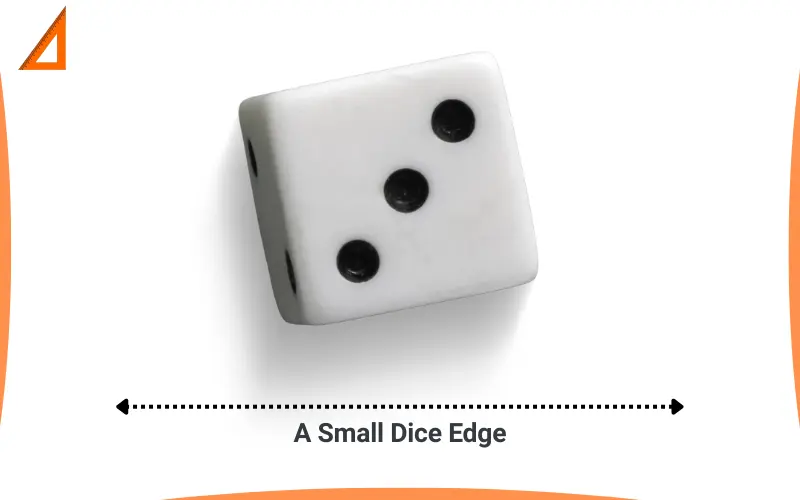
The edge of some miniature dice used in board games measures approximately 6 mm.
Compared to large casino dice, miniature dice appear tiny but still readable and easy to roll on a table. Many travel board games and tabletop games use smaller dice to save space.
People who enjoy card games or tabletop games can often recognize this size immediately because the dice feel compact yet still easy to handle with fingertips.
6. A Thick Marker Pen Tip
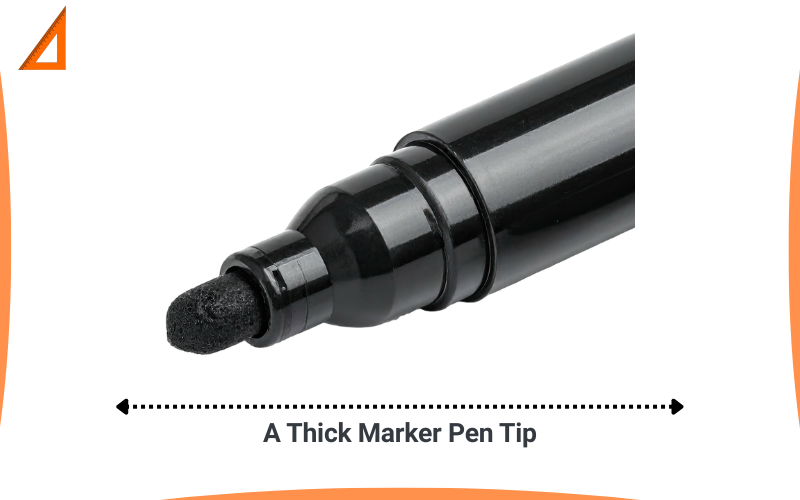
Some permanent marker tips measure nearly 6 mm wide. Compared to fine-tip pens, thick markers leave much bolder and darker lines on paper or cardboard.
Most people have used permanent markers for labeling boxes, school projects, or office work. The tip appears broad enough to notice instantly while still remaining small compared to paintbrushes or highlighters.
This comparison works especially well because marker tips are designed to create visible thick strokes that people recognize easily.
7. The Diameter Of A Small Button Battery
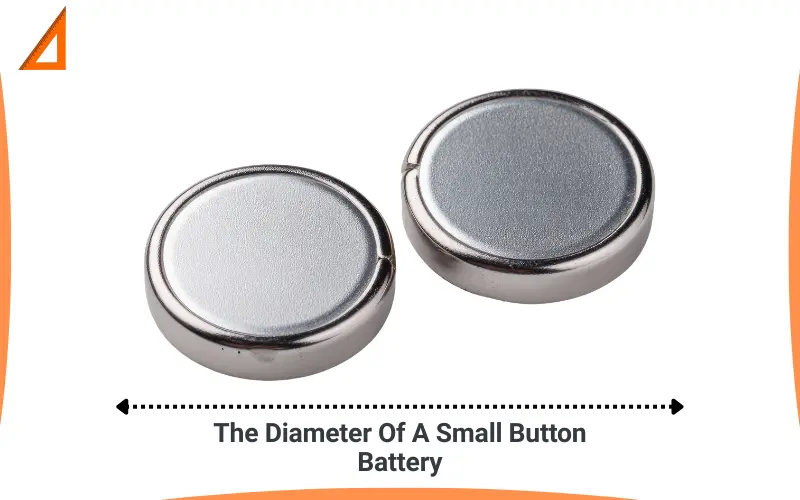
Certain small button batteries used in watches or calculators measure close to around 6 mm thick or wide depending on the model.
Compared to AA batteries, button batteries look tiny and flat, but still noticeable enough to pick up easily between fingers. Many people have seen these batteries inside watches, toys, or hearing devices.
Their metallic circular shape helps create a clear visual understanding of the 6 mm measurement range.
8. A Compact Earphone Jack Adapter
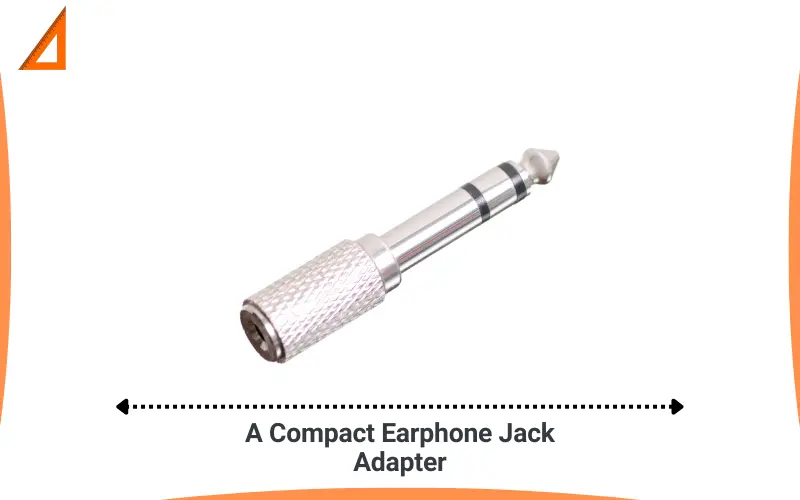
Some earphone jack adapters and audio connectors measure roughly around 6 mm thick near the metal connector area.
Compared to ultra-thin charging pins, these adapters appear sturdier and easier to plug into audio devices. Most people who use headphones with laptops, gaming consoles, or older smartphones recognize the feel of these small metal connectors.
Since electronics are handled daily, this comparison helps create a practical mental picture of 6 mm.
9. The Width Of A Thick Candle Wick

Certain decorative candles use thick wicks measuring approximately 6 mm wide. Compared to tiny birthday candle wicks, these larger wicks burn brighter and support larger candle sizes.
People often notice thicker candle wicks in scented candles placed in bedrooms, living rooms, or bathrooms. The wick appears small, but still thick enough to stand out clearly while lighting the candle.
This creates a useful visual comparison because candles are common household decoration items.
10. A Small LEGO Connector Piece
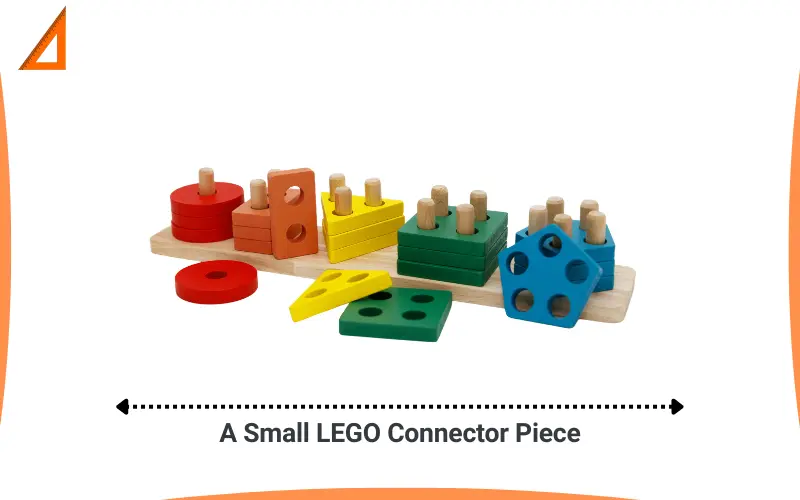
Some LEGO connector pins and round attachment parts are close to around 6 mm wide.
Compared to large LEGO blocks, these connector pieces feel tiny but still easy to grip while building models. Children and adults who enjoy LEGO sets often recognize these smaller components immediately because they are used frequently during assembly.
Since LEGO pieces are highly recognizable worldwide, they provide another simple and realistic way to picture what 6 mm looks like in everyday life.
Real-Life Situations Where 6 MM Matters
Measurements around 6 mm are commonly used in jewelry making, screw sizing, electronics, cable thickness, crafts, fashion accessories, hardware tools, and DIY projects.
Even a difference of 1 or 2 millimeters can change how an object feels, fits, or functions. That’s why understanding small measurements visually becomes very helpful in everyday situations.
6 MM Compared To Other Measurements
Compared to 4 mm, 6 mm appears noticeably thicker and easier to spot immediately. However, beside 1 centimeter, it still feels relatively small.
This middle-size range makes 6 mm useful for many household items, electronics, jewelry pieces, and tools. Real-life comparisons help train the eye much faster than ruler numbers alone.
FAQs
How big is 6 mm in inches?
6 mm equals approximately 0.236 inches.
Is 6 mm considered small?
Yes, 6 mm is still considered a small measurement.
What objects are about 6 mm wide?
Hoodie drawstrings, bracelet beads, charging cables, and thick shoelaces are often close to around 6 mm.
How can I estimate 6 mm quickly?
You can compare it with a drinking straw, hoodie string, or charger cable.
Is 6 mm bigger than 5 mm?
Yes, 6 mm is slightly thicker and easier to notice visually than 5 mm.
Conclusion
At first glance, 6 mm may sound too small to picture clearly, but familiar everyday objects make this tiny measurement much easier to understand. Hoodie drawstrings, bracelet beads, charging cables, drinking straws, and screws all provide realistic comparisons that help turn a small number into something visual and memorable.
Once you become familiar with what 6 mm looks like, estimating small measurements becomes much easier during shopping, crafting, electronics work, home repairs, and everyday household tasks.