12 Common Things That Are Exactly 4 Inches Long

12 Common Things That Are Exactly 4 Inches Long

How long is 4 inches? 4 inches equals exactly 10.16 centimeters or 101.6 millimeters. It is a small but clearly noticeable measurement commonly used in everyday life for objects, spacing, and sizing.

Many people find it difficult to visualize 4 inches without a reference. By comparing it with familiar items like phones, tools, or household objects, it becomes much easier to understand and estimate in daily life.

4 Inch Conversion Table

MeasurementEquivalent
4 inches in centimeters10.16 cm
4 inches in millimeters101.6 mm
4 inches in feet0.333 ft
4 inches in meters0.1016 m

These conversions are extremely useful when working across different measurement systems. While inches are commonly used in some countries, many others rely on centimeters and millimeters.

For example, if you are shopping online and product dimensions are listed in centimeters, knowing that 4 inches equals 10.16 cm helps you quickly understand the size. This reduces confusion and ensures you make the right choice.

Conversions are also important in professional fields such as engineering, construction, and design. Even a small mistake in measurement can lead to incorrect results, so accuracy is essential.

What Does 4 Inches Look Like?

Visualizing 4 inches becomes much easier when you connect it with something familiar. A simple method is to use your hand. Since one finger is roughly 1 inch wide, placing four fingers together gives a close estimate of 4 inches.

Another way to imagine 4 inches is to think of an object slightly longer than the width of your palm. It is not too small, but it is still compact and easy to handle.

Compared to 3 inches, 4 inches feels noticeably larger. That extra inch adds more presence and makes it more practical for measuring small objects or distances.

It is also a comfortable size for many everyday items. Objects that are around 4 inches long are easy to carry, store, and use, which is why this measurement is so common.

Why 4 Inches is Useful

Although 4 inches is considered a small measurement, it plays an important role in everyday life. You may not always notice it, but this measurement appears frequently in different situations.

In technology, many devices and accessories fall within this size range. From smartphone dimensions to small gadgets, 4 inches is a common reference point. Understanding it helps you make better decisions when buying products.

In DIY and home improvement projects, accuracy is very important. A difference of just a few inches can affect how parts fit together. Knowing what 4 inches looks like helps you avoid mistakes and work more efficiently.

In fashion and tailoring, 4 inches can make a significant difference. Adjusting clothing by this amount can change the overall fit and appearance. Whether shortening sleeves or adjusting lengths, this measurement matters.

Overall, 4 inches improves your ability to measure, compare, and estimate sizes in everyday situations.

Real-Life Objects That Are About 4 Inches

The best way to understand 4 inches is through real-world comparisons. Below are 12 common objects that are close to 4 inches in length.

1. Four Fingers Width

Four Fingers Width

The combined width of four fingers placed side by side is approximately 4 inches.

This is one of the simplest ways to estimate the measurement without any tools. It is quick, practical, and always available.

2. Standard Smartphone Width

Standard Smartphone Width

The width of many smartphones is close to 4 inches.

Since smartphones are used daily, this makes them one of the most relatable reference objects.

3. Credit Card Length

Credit Card Length

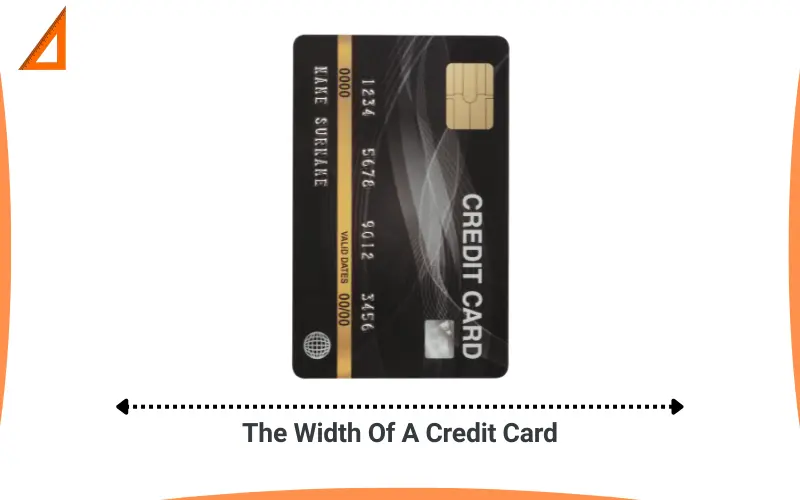
The longer side of a credit card is about 3.4 inches, which is close to 4 inches.

Although not exact, it still provides a useful visual estimate.

4. Half Stick of Butter

Half Stick of Butter

Half of a standard stick of butter measures about 4 inches.

This is a helpful reference in the kitchen when measuring portions.

5. Small Banana

Small Banana

A small banana is often around 4 inches long.

Food-based comparisons make it easier to visualize measurements.

6. Compact Remote Control Width

Compact Remote Control Width

Some smaller remote controls have a width close to 4 inches.

This is a common household item that helps in quick estimation.

7. Pocket Notebook Height

Pocket Notebook Height

Many small notebooks measure around 4 inches in height.

This is especially useful for students and office workers.

8. Spoon Handle Length

Spoon Handle Length

The handle of a small spoon is often about 4 inches long.

This is another simple and familiar object.

9. Deck of Cards Height

Deck of Cards Height

A full deck of playing cards stacked together is close to 4 inches tall.

This provides a good example of vertical measurement.

10. Compact Flashlight

Compact Flashlight

Some small flashlights measure around 4 inches in length.

These are practical tools that many people use.
11. TV Remote Thickness Section

TV Remote Thickness Section

The thicker part of certain TV remotes can measure around 4 inches in length.

This gives another relatable household example.

12. Small Hairbrush Length

Small Hairbrush Length

A compact travel hairbrush is often around 4 inches long.

This is a useful reference, especially for personal items.

How 4 Inches is Used in Daily Life

Four inches is a practical measurement that appears in many daily activities. It is commonly used to describe small objects, spacing, and dimensions.

In electronics, many devices and accessories fall within this range. In home improvement, 4 inches may represent spacing between objects or thickness of materials.

In cooking, food sizes and portions are sometimes described in inches. For example, a slice or piece of food may be about 4 inches long.

Because of its convenient size, 4 inches is widely used across different fields.

How to Measure 4 Inches Without a Ruler

If you don’t have a ruler, there are still easy ways to estimate 4 inches.

Using four fingers side by side is one of the simplest methods. You can also compare objects like smartphones, notebooks, or spoons.

With practice, your ability to estimate 4 inches improves. Over time, you will be able to judge this measurement quickly and accurately.

Is 4 Inches Considered Small or Medium?

Four inches is generally considered a small-to-medium measurement.

In large objects like furniture or rooms, it is still small. However, in smaller objects like tools, gadgets, and accessories, it becomes more noticeable.

The importance of 4 inches depends on the context. In some cases, it may not matter much, while in others, it can make a big difference.

Common Mistakes When Estimating 4 Inches

One common mistake is overestimating the size. People often assume 4 inches is larger than it actually is.

Another mistake is confusing inches with centimeters. Since 4 inches equals 10.16 centimeters, mixing these units can lead to incorrect measurements.

Relying only on guesswork without using reference objects can also result in inaccurate estimates.

We hope you guys find this guide helpful. Also, we have more guides on measurement here:

FAQs

How long is 4 inches exactly?

4 inches equals exactly 10.16 centimeters or 101.6 millimeters.

How big is 4 inches visually?

It is about the width of four fingers placed side by side.

How tall is 4 inches?

It is a small height, similar to stacking several small objects.

Is 4 inches easy to estimate?

Yes, especially when using fingers or everyday objects.

Where is 4 inches commonly used?

It is used in tools, electronics, household items, and daily measurements.

Conclusion

How long 4 inches is becomes much easier when you relate it to real-life objects. While the exact value is 10.16 centimeters, practical comparisons like fingers, phones, and small tools make it more meaningful.

As you start recognizing everyday items that are close to 4 inches, estimating measurements becomes faster and more accurate. This helps in daily tasks such as measuring objects, working on projects, or comparing sizes.

With regular use, 4 inches becomes a familiar and useful reference that you can rely on in everyday life.

How Long is 3 inches

8 Common Things That Are Exactly 3 Inches Long

How long is 3 inches? 3 inches equals exactly 7.62 centimeters or 76.2 millimeters. It is a small but clearly noticeable length used in everyday measurements, product sizing, and simple design details.

Many people find it difficult to visualize how long 3 inches is just by looking at numbers. By comparing it with familiar objects like gadgets, tools, and household items, understanding this measurement becomes much easier and more practical.

3 Inch Conversion Table

MeasurementEquivalent
3 inches in centimeters7.62 cm
3 inches in millimeters76.2 mm
3 inches in feet0.25 ft
3 inches in meters0.0762 m

These conversions are extremely helpful, especially when working with different measurement systems. In many parts of the world, centimeters and millimeters are used instead of inches. Without knowing the conversion, it can be difficult to understand the actual size of an object.

For example, if you are shopping online and the product dimensions are listed in centimeters, knowing that 3 inches equals 7.62 cm allows you to quickly estimate its size. This saves time and prevents mistakes when choosing the right product.

Conversions are also important in technical fields such as construction, engineering, and design. Even small measurement errors can cause problems, so having a clear understanding of units is essential.

What Does 3 Inches Look Like?

Visualizing 3 inches becomes much easier when you connect it with something familiar. One of the simplest ways to understand it is by using your own hand. Since one finger is roughly 1 inch wide, placing three fingers side by side gives you a close estimate of 3 inches.

This method is quick, practical, and does not require any tools. It is especially useful when you need a rough measurement on the go.

Another way to imagine 3 inches is to think of a small object that fits comfortably in your hand. It is not tiny like 1 inch, but it is still compact and easy to handle. It is large enough to be clearly visible but small enough to be used for precise measurements.

Compared to 2 inches, 3 inches feels more noticeable and substantial. The extra inch makes a difference in both length and usability. It allows for more flexibility in measuring and designing small objects.

Why Understanding 3 Inches is Useful

Even though 3 inches is a small measurement, it is widely used in daily life. Many objects in technology, tools, and accessories fall within this size range.

In DIY projects, even a small difference like 3 inches can affect how parts fit together. In fashion and tailoring, it can also change the fit and appearance of clothing.

Overall, 3 inches helps you measure, compare, and estimate sizes more accurately in everyday situations.

Real-Life Objects That Are About 3 Inches

The best way to understand 3 inches is through real-world examples. These objects help you visualize the measurement clearly and remember it easily.

1. Three Fingers Width

Three Fingers Width

The combined width of three fingers placed side by side is approximately 3 inches.

This is one of the easiest and most natural ways to estimate this measurement. Since your hand is always with you, you can use this method anytime, anywhere.

It may not be perfectly accurate for everyone, but it provides a close enough estimate for everyday use. With practice, this method becomes very reliable.
2. Credit Card Height
Credit card with height measurement

The shorter side (height) of a standard credit or debit card is close to 3 inches.

This makes it one of the most practical reference objects because people carry cards with them every day. Whenever you need to estimate 3 inches, you can simply look at your card.

3. USB Flash Drive

3 inch USB flash drive

Most USB flash drives are around 3 inches long.

These devices are commonly used for storing and transferring data, making them a modern and relatable example. Their size makes them easy to recognize and remember as a reference.

4. Small Pocket Knife (Closed)

Small Pocket Knife

Some compact pocket knives measure about 3 inches when folded.

This example shows how the measurement applies to tools. It also highlights how 3 inches is a practical size for objects that need to be portable and easy to carry.

5. Cookie Diameter

Cookie Diameter

Many cookies, especially homemade ones, are around 3 inches wide.

Food-based examples are often easier to visualize because they are familiar and relatable. Next time you see a cookie, you can use it as a quick reference for 3 inches.

6. Tea Light Candle Diameter

Tea Light Candle Diameter

Certain tea light candles measure close to 3 inches in diameter.

This provides a clear example of a circular object. It helps you understand not just length but also width and overall size.

7. Medium-Sized Key

Medium-Sized Key

A medium-sized key is often about 3 inches long.

Keys are everyday objects that people use regularly. This makes them a convenient and reliable reference point for estimating measurements.

8. Small Notepad Width

Small Notepad Width

A small notepad or folded piece of paper can be around 3 inches wide.

This is especially useful in office or study environments. It provides a simple and practical way to understand the measurement.

How 3 Inches is Used in Daily Life

Three inches is a very practical measurement that appears in many daily situations. It is commonly used to describe small objects, spacing, and dimensions.

In electronics, many components and accessories fall within this size range. In home improvement projects, 3 inches may represent spacing between objects or the thickness of materials.

In cooking, measurements are sometimes described in inches, especially when referring to thickness. For example, a piece of meat or cake may be about 3 inches thick.

Because it is a manageable and useful size, 3 inches is widely used across different fields and activities.

How to Measure 3 Inches Without a Ruler

If you do not have a ruler, there are still several easy ways to estimate 3 inches.

Using three fingers side by side is one of the simplest methods. You can also compare objects like credit cards, keys, or USB drives.

Another effective approach is practice. The more you use these reference objects, the better your estimation skills become. Over time, you will be able to judge 3 inches quickly and accurately.

Is 3 Inches Considered Small or Medium?

Three inches is generally considered a small-to-medium measurement.

In large objects such as furniture or rooms, it is quite small. However, in smaller objects like tools, gadgets, and accessories, it becomes more noticeable and important.

The importance of 3 inches depends on the context. In some situations, it may not matter much, while in others, it can make a significant difference.

Common Mistakes When Estimating 3 Inches

One common mistake is overestimating the size. People often assume 3 inches is larger than it actually is.

Another mistake is confusing inches with centimeters. Since 3 inches equals 7.62 centimeters, mixing up these units can lead to incorrect measurements.

Some people also rely only on guesswork without using reference objects. This can result in inaccurate estimates.

We hope you guys find this guide helpful. Also, we have more guides on measurement here:

FAQs

How long is 3 inches exactly?

3 inches equals exactly 7.62 centimeters or 76.2 millimeters.

How big is 3 inches visually?

It is about the width of three fingers placed side by side.

How tall is 3 inches?

It is a small height, similar to stacking small objects.

Is 3 inches easy to estimate?

Yes, especially when using fingers or everyday objects.

Where is 3 inches commonly used?

It is used in tools, electronics, household items, and daily measurements.

Conclusion

How long 3 inches is becomes much easier when you relate it to real-life objects. While the exact value is 7.62 centimeters, practical comparisons like fingers, keys, and small tools make it more meaningful.

As you begin to recognize everyday items that are close to 3 inches, estimating measurements becomes faster and more accurate. This helps in daily tasks such as measuring objects, working on projects, or comparing sizes.

With regular practice, 3 inches becomes a familiar and useful reference that you can rely on in everyday life.

10 Common Things That Are Exactly 2 Inches Long

10 Common Things That Are Exactly 2 Inches Long

How long is 2 inches? 2 inches equals exactly 5.08 centimeters or 50.8 millimeters. It is a small but noticeable length used in everyday measurements, product sizing, and simple design details.

Many people find it hard to visualize how long 2 inches is without a reference. By comparing it with common items like gadgets, tools, or small household objects, it becomes easy to understand and use in daily life.

2 Inch Conversion Table

MeasurementEquivalent
2 inches in centimeters5.08 cm
2 inches in millimeters50.8 mm
2 inches in feet0.1667 ft
2 inches in meters0.0508 m

These conversions are especially helpful when working between different measurement systems. Whether you are reading product specifications online or following instructions in a manual, knowing these equivalents can save time and prevent confusion.

For example, many international products use centimeters instead of inches. Without knowing the conversion, it can be difficult to judge the size of an item accurately. By understanding that 2 inches equals 5.08 cm, you can quickly visualize its real size.

What Does 2 Inches Look Like?

Understanding what 2 inches looks like becomes much easier when you relate it to something familiar. Since 1 inch is roughly the width of an adult thumb, 2 inches is about the same as placing two thumbs side by side. This simple comparison instantly gives you a rough visual estimate.

Another way to imagine 2 inches is to think of a small object that is clearly visible but still compact. It is slightly longer than very small items like coins but still small enough to fit easily in your hand or pocket.

Compared to 1 inch, 2 inches feels more noticeable and practical. It is large enough to measure small objects comfortably but still small enough to be used in detailed and precise measurements.

Why Understanding 2 Inches is Useful

Even though 2 inches may seem like a small measurement, it plays an important role in everyday life. Many objects we use daily fall within this size range, especially in technology, tools, and accessories.

For instance, in electronics, small components like connectors, cables, and ports are often measured in inches. A difference of just 2 inches can affect compatibility or usability. Similarly, in DIY projects, even a small measurement difference can impact how pieces fit together.

In fashion and tailoring, 2 inches can make a noticeable difference in the fit of clothing. Adjusting a sleeve, hem, or waistline by 2 inches can completely change how a garment looks and feels.

This shows that even a small measurement like 2 inches can have a meaningful impact depending on how and where it is used.

Real-Life Objects That Are About 2 Inches

The easiest way to understand how long 2 inches is comes from real-world comparisons. Below are 10 common objects that are close to 2 inches in length, helping you visualize and remember the measurement more easily.

1. Two Fingers Width

Two Fingers Width

The combined width of two fingers placed side by side is usually close to 2 inches.

This is one of the simplest and most natural ways to estimate 2 inches without using any tools. Since your fingers are always with you, this method is quick and practical for everyday use.
2. Golf Tee (Short Type)

Golf Tee (Short Type)

A short golf tee is often around 2 inches long.

It provides a clear example of a thin and straight object with this measurement. Even if you don’t play golf, you may have seen these small items, making them a useful reference.

3. Lip Balm Stick Height

Lip Balm Stick Height

Many lip balm tubes measure close to 2 inches in height when opened or without the cap.

Because lip balm is a common personal item, it creates a strong visual reference that is easy to remember and relate to.

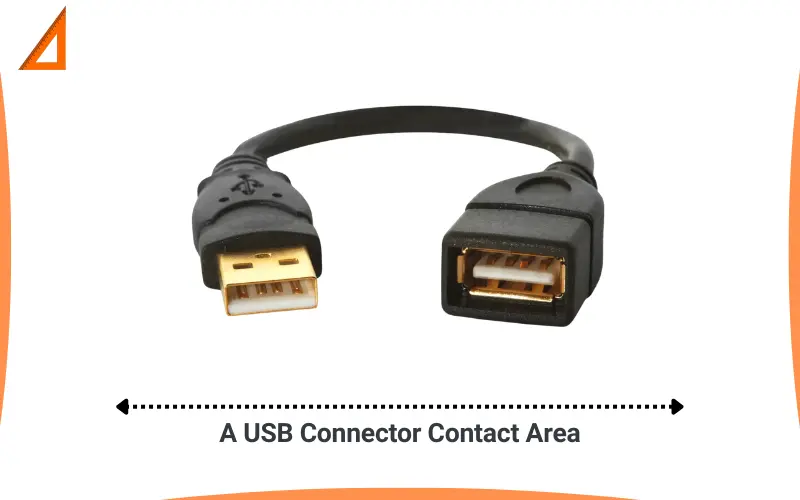
4. USB Connector Length

USB Connector Length

The metal connector part of a USB device is often around 2 inches long.

This makes it a great example from modern technology. Since USB devices are widely used, this comparison is both practical and easy to visualize.

5. Matchstick Length

Matchstick Length

A standard matchstick is usually close to 2 inches long.

This is one of the most classic examples used for measurement comparison. Its simple shape and consistent size make it easy to remember.

6. Small Key Length

Small Key Length

Some smaller keys measure around 2 inches in total length.

Keys are everyday objects that people carry everywhere, making them a reliable and familiar reference point.

7. Two Bottle Caps Stacked

Two Bottle Caps Stacked

Stacking two bottle caps on top of each other can reach approximately 2 inches in height.

This example helps you understand vertical measurement instead of just length, giving a better sense of overall size.

8. Small Eraser Block

Small Eraser Block

A small rectangular eraser is often about 2 inches long.

Since erasers are commonly used in schools and offices, they provide a practical and consistent reference for this measurement.

9. Mini Toy Car

Mini Toy Car

Many mini toy cars are about 2 inches long.

This is especially helpful for visual learners, as the size is easy to imagine and recognize instantly.

10. Garlic Clove

Garlic Clove

A medium-sized garlic clove can be close to 2 inches in length.

Using food items as examples makes measurements more relatable, especially when cooking or working in the kitchen.

How 2 Inches is Used in Daily Life

Two inches appears frequently in everyday measurements, often without people realizing it. It is commonly used for describing small objects, spacing, and dimensions.

In electronics, many small components fall within this size range. USB connectors, cables, and adapters are often measured in inches. In home improvement projects, 2 inches may represent spacing between objects or the thickness of materials.

In cooking, certain ingredients or portions may be described in inches, especially when referring to thickness. For example, a piece of meat or a slice of cake might be cut to around 2 inches.

Because it is a practical and manageable size, 2 inches is widely used across different fields and activities.

How to Measure 2 Inches Without a Ruler

If you don’t have a ruler available, there are still several easy ways to estimate 2 inches.

One of the simplest methods is using your fingers. Placing two fingers together usually gives a close approximation. You can also use everyday objects like matchsticks, small erasers, or keys as references.

Another effective approach is repetition and practice. The more often you estimate 2 inches using real objects, the better your accuracy becomes over time.

Eventually, you will be able to judge this measurement quickly without needing any tools.

Is 2 Inches Considered Small or Medium?

Two inches is generally considered a small measurement, but it is noticeably larger than 1 inch.

In large objects such as furniture or rooms, 2 inches is very small and often insignificant. However, in smaller objects like tools, accessories, or gadgets, it can represent a meaningful size difference.

For example, adding or removing 2 inches from a small object can change its functionality or appearance. This shows that the importance of 2 inches depends on the context in which it is used.

Common Mistakes When Estimating 2 Inches

One common mistake people make is overestimating the size. Because 2 inches is larger than 1 inch, it can sometimes feel bigger than it actually is.

Another frequent mistake is confusing inches with centimeters. Since 2 inches equals 5.08 centimeters, mixing up these units can lead to incorrect measurements.

Some people also rely on inaccurate visual guesses without using reference objects. This can result in inconsistent estimations.

Being aware of these mistakes helps improve your accuracy and understanding over time.

14 Common Things That Are Exactly 1 Inch

FAQs

How long is 2 inches exactly?

2 inches is exactly 5.08 centimeters or 50.8 millimeters.

How big is 2 inches visually?

It is about the width of two fingers placed side by side.

How tall is 2 inches?

It is a small height, similar to stacking a few small objects like bottle caps.

Is 2 inches easy to estimate?

Yes, especially when using finger width or everyday objects as references.

Where is 2 inches commonly used?

It is commonly used in small objects, tools, electronics, cooking, and daily measurements.

Conclusion

In simple terms, understanding how long 2 inches is becomes much easier when you relate it to real-life objects. While the exact value is 5.08 centimeters, practical comparisons like fingers, matchsticks, or small tools make it more meaningful.

As you begin to recognize everyday items that are close to 2 inches, estimating measurements becomes faster and more accurate. This can be helpful in daily tasks such as measuring objects, working on projects, or comparing sizes.

With regular use and observation, 2 inches becomes a familiar and useful reference that you can rely on in everyday life.

14 Common Things That Are Exactly 1 Inch

14 Common Things That Are Exactly 1 Inch Long

How long is 1 inch? 1 inch equals exactly 2.54 centimeters or 25.4 millimeters. It is a small unit of length used to measure everyday objects, short distances, and fine details.

Many people search for how long is 1 inch because it is not always easy to visualize such a small measurement. By comparing it with familiar items like mobile phones, buttons, and small tools, it becomes much easier to understand in real life.

1 Inch Conversion Table

MeasurementEquivalent
1 inch in centimeters2.54 cm
1 inch in millimeters25.4 mm
1 inch in feet0.0833 ft
1 inch in meters0.0254 m

These conversions help you understand 1 inch across different measurement systems. Whether you are following international instructions, reading product dimensions, or working on a project, knowing these equivalents makes everything easier and more accurate.

What Does 1 Inch Look Like?

When people ask how big is 1 inch, they are usually trying to visualize a very small length. The best way to understand it is not through numbers, but through comparison.

Imagine the width of your thumb. For most adults, this is very close to 1 inch. This makes it one of the easiest and most natural ways to estimate an inch anywhere, anytime. Because it is always available, it becomes a built-in measuring tool.

Another way to picture 1 inch is to think of small objects like a bottle cap or a dice. These objects are compact but noticeable, giving you a clear sense of scale. Once your brain connects these items with the measurement, estimating 1 inch becomes automatic.

Why 1 Inch is Important

Although 1 inch is small, it plays a very important role in everyday life. Many industries and daily activities rely on precise measurements, and even a difference of 1 inch can have a noticeable impact.

In technology, screen sizes are measured in inches. A one-inch difference in a smartphone or laptop screen can affect usability, viewing comfort, and overall experience. Similarly, in furniture and interior design, even a small variation can determine whether something fits properly or not.

In construction and DIY work, accuracy is essential. A difference of just 1 inch can lead to misalignment or improper fitting. This shows that even though it is a small unit, it has significant importance in practical applications.

Real-Life Objects That Are About 1 Inch

The easiest way to fully understand how long, tall, or big 1 inch is comes from real-life comparisons. These objects help turn an abstract measurement into something visual and memorable.

1. Width of an Adult Thumb

Width of an Adult Thumb

The width of an adult thumb is one of the most commonly used references for 1 inch. It is not perfectly exact for everyone, but it is close enough for quick estimations.

Because your hand is always with you, this becomes one of the most convenient ways to measure small distances without tools.

2. Diameter of a Bottle Cap

Diameter of a Bottle Cap

Most plastic bottle caps used on water or soda bottles are close to 1 inch in diameter.

This makes them a useful everyday comparison because they are easy to find and have a consistent size.

3. Length of a Small Paperclip

Length of a Small Paperclip

A standard small paperclip is typically around 1 inch long.

Office supplies like paperclips are designed with consistent dimensions, which makes them reliable for visual estimation

4. Height of Stacked Coins

Height of Stacked Coins

If you stack a few coins together, their total height can be close to 1 inch.

This is a simple trick that can help you estimate height without needing a ruler.

5. Small Dice (Cube Size)

Small Dice Cube Size

A small dice used in board games is often about 1 inch in size.

This is a great example because it shows 1 inch in all three dimensions—length, width, and height.

6. Shirt Button Size

Shirt Button Size

Many shirt buttons are approximately 1 inch wide.

Since buttons are part of daily clothing, they offer a practical and familiar comparison.

7. USB Flash Drive Width

USB Flash Drive Width

Some compact USB drives are designed with a width close to 1 inch.

Technology accessories often use inches for measurements, making them useful for understanding scale.

8. Mini Candle Height

Mini Candle Height

Small decorative candles or tealights can measure around 1 inch in height.

These items are commonly used in homes, making them easy to recognize and compare.

9. Fingernail Length

Fingernail Length

For some people, the length of a fingernail can be close to 1 inch.

Although it varies slightly, it still provides a rough estimate for quick comparisons.

10. Stapler Pin Strip Width

Stapler Pin Strip Width

The width of a strip of stapler pins is often near 1 inch.

Office tools like this are another simple way to understand the measurement.

11. Key Head Width

Key Head Width

The top part of a standard house key is often about 1 inch wide.

Because keys are used daily, they can serve as a quick reference.

12. Small Toy Block

Small Toy Block

Children’s toy blocks are often made in 1-inch dimensions.

These blocks are especially useful for visualizing size in multiple directions.

13. Pencil Eraser Length

Pencil Eraser Length

The eraser attached to many pencils is close to 1 inch long.

This is another everyday object that helps create a strong mental reference.

14. Bottle Lid Height

Bottle Lid Height

Some small bottle lids or caps have a height close to 1 inch.

This gives you an idea of vertical measurement as well.

How 1 Inch is Used in Technology

In modern technology, inches are one of the most common measurement units. Screen sizes for phones, laptops, tablets, and televisions are all measured in inches.

When you see a device labeled as 6 inches or 15 inches, it refers to the diagonal measurement of the screen. Even a difference of 1 inch can change how comfortable the device is to use.
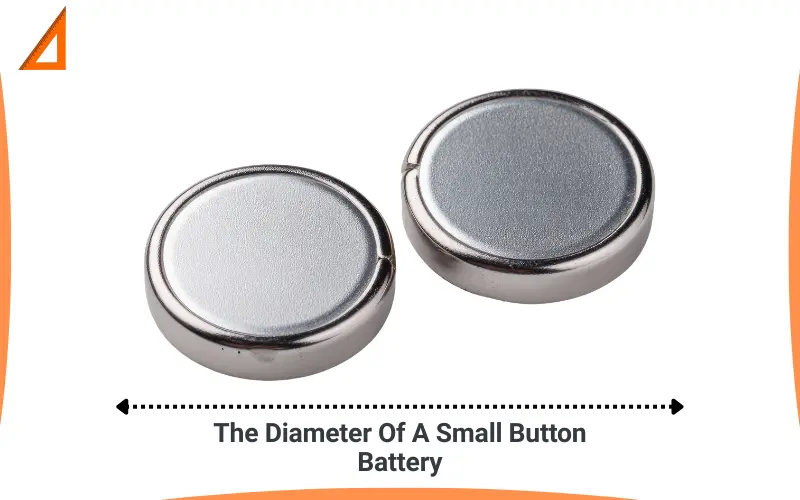
This is why understanding how big 1 inch is becomes important when comparing gadgets or making purchase decisions.

How to Measure 1 Inch Without a Ruler

There are many situations where you may not have a ruler available. In such cases, simple estimation methods can help.
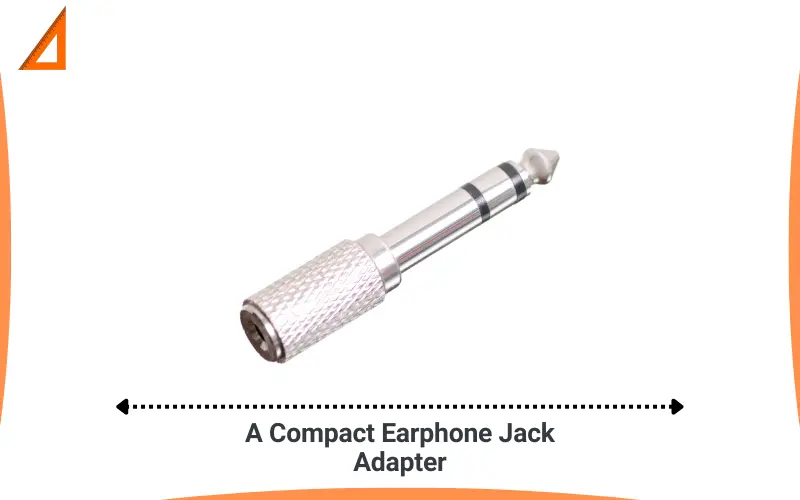
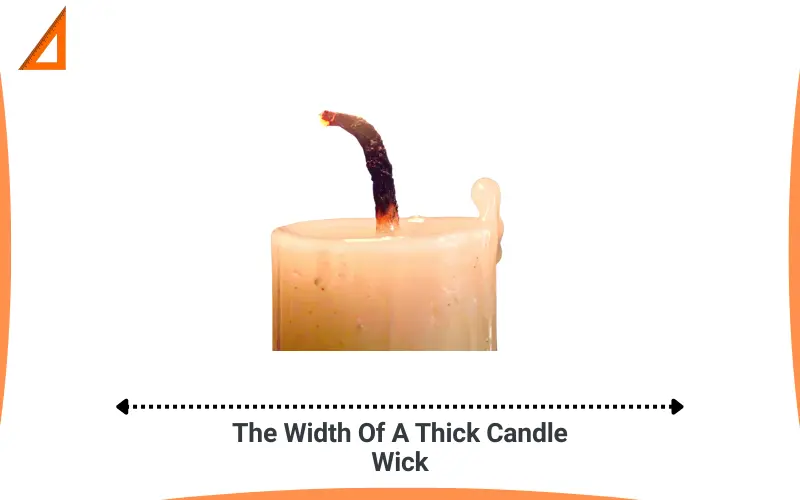
Using your thumb is one of the most reliable ways to estimate 1 inch. You can also compare objects like paperclips, bottle caps, or dice. With practice, your brain starts recognizing these sizes automatically.

Over time, estimating 1 inch becomes a natural skill that saves time and effort.

Is 1 Inch Considered Small or Big?

Whether 1 inch is considered small or large depends on context.

In large-scale measurements like room size or furniture, 1 inch is very small and often used for fine adjustments. However, in small objects like accessories, electronics, or design details, 1 inch can be quite noticeable.

This difference helps you apply the measurement correctly in different situations.

Common Mistakes When Understanding 1 Inch

One common mistake is confusing inches with centimeters. Since 1 inch equals 2.54 centimeters, assuming they are equal can lead to incorrect measurements.

Another mistake is overestimating its size. Because it is a small unit, people sometimes imagine it to be larger than it actually is.

Avoiding these mistakes improves accuracy in daily measurements and practical tasks.

FAQs

How long is 1 inch exactly?

1 inch is exactly 2.54 centimeters or 25.4 millimeters.

How big is 1 inch visually?

It is about the width of a thumb or the size of a small dice.

How tall is 1 inch?

It is a very small height, similar to stacking a few coins.

Is 1 inch easy to estimate?

Yes, once you connect it with everyday objects, it becomes very easy.

Where is 1 inch commonly used?

It is widely used in screens, tools, small objects, and measurements.

Conclusion

How long is 1 inch, how tall is 1 inch, and how big is 1 inch becomes much easier when you relate it to real-life objects. While the exact value is 2.54 centimeters, practical comparisons like a thumb, paperclip, or dice make it far more meaningful.

As you begin to notice everyday items that are close to 1 inch, estimating measurements becomes natural and effortless. This not only saves time but also improves accuracy in daily tasks, whether you are measuring, comparing, or working on small projects.

Once you build this habit, 1 inch is no longer just a number—it becomes a familiar and useful reference in your everyday life.