How big is 7 mm

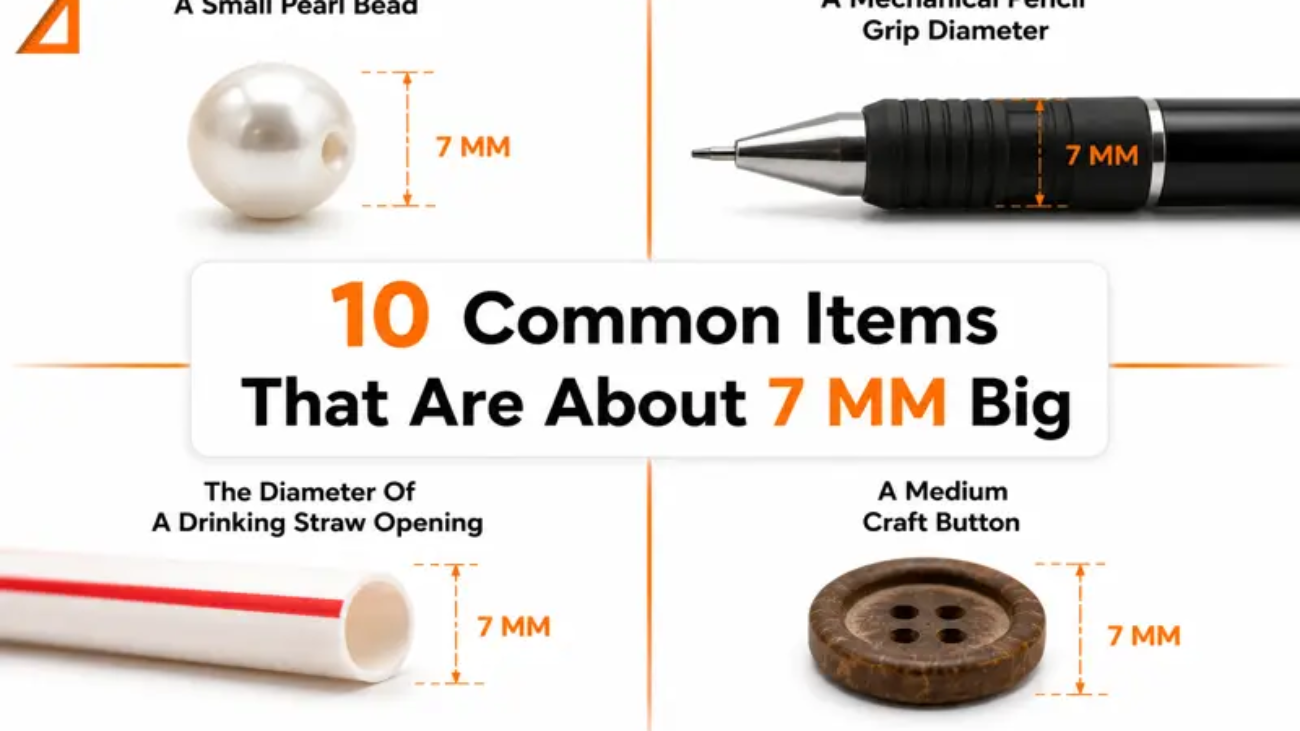
10 Common Items That Are About 7 MM Big

How big is 7 mm? It is slightly larger than 6 mm and equals approximately 0.27 inches. Even though the number sounds tiny, 7 millimeters is actually a very noticeable size in many everyday objects. You can find measurements around 7 mm in jewelry, electronics, kitchen tools, stationery, clothing accessories, and household hardware.

Most people struggle to imagine millimeter sizes because the numbers feel abstract without something familiar to compare them with. That’s why real-life examples work much better than looking at a ruler alone. Once you connect 7 mm with objects you already see and touch every day, the size becomes much easier to remember naturally.

Whether you are buying jewelry online, checking hardware sizes, comparing cable thickness, or simply curious about measurements, these practical comparisons will help you understand what 7 mm actually looks like in real life.

7 MM Conversion Table

Measurement Equivalent
7 mm in centimeters 0.7 cm
7 mm in inches 0.276 inches
7 mm in meters 0.007 meters
7 mm in micrometers 7000 micrometers

Related Post: How Long Is 7 Inches?

What Does 7 MM Look Like?

Seven millimeters is small, but it is already large enough to stand out clearly in daily objects. It feels thicker than most thin wires and noticeably wider than tiny beads or seeds.

It is roughly close to:

  • the width of some headphone plugs
  • the thickness of certain markers
  • the size of small craft beads
  • the diameter of some bolts and screws

Compared to 5 mm, 7 mm appears slightly bulkier and easier to grip. However, beside 1 centimeter, it still feels compact and fairly small.

Most people already recognize the feel of objects like pen caps, headphone connectors, or zipper pulls, which makes them useful everyday references for understanding 7 mm quickly.

Is 7 MM Big Or Small?

7 mm is still considered a small measurement, but it is much easier to notice compared to tiny millimeter sizes like 1 mm, 2 mm, or 3 mm.

Objects around 7 mm are commonly used in:

  • jewelry and beads
  • electronics
  • screws and bolts
  • stationery
  • fashion accessories
  • kitchen tools
  • DIY projects

Compared to 10 mm, 7 mm still feels compact. However, it is large enough to grip comfortably between fingertips and easy enough to notice visually without squinting.

How To Estimate 7 MM Without A Ruler

One easy way to estimate 7 mm is by comparing it with common household objects you already use regularly.

A thick pen cap edge, a zipper pull opening, or a small craft bead can quickly help you picture this size. Since people already recognize how these objects feel in the hand, the brain naturally remembers their approximate thickness and width.

Another simple trick is stacking seven credit cards together. Since one credit card is about 1 mm thick, seven stacked cards create a very close estimate of 7 mm.

10 Common Things That Are About 7 MM Big

Common Object Approximate Size
The Thickness Of A Standard USB Cable 7 MM
A Small Pearl Bead 7 MM
The Width Of A Thick Backpack Zipper 7 MM
A Mechanical Pencil Grip Diameter 7 MM
The Diameter Of A Drinking Straw Opening 7 MM
A Medium Craft Button 7 MM
The Thickness Of A Shoelace Knot 7 MM
A Smartphone Stylus Tip Cover 7 MM
A Thick Coffee Stirrer End 7 MM
The Diameter Of Some LEGO Wheels 7 MM

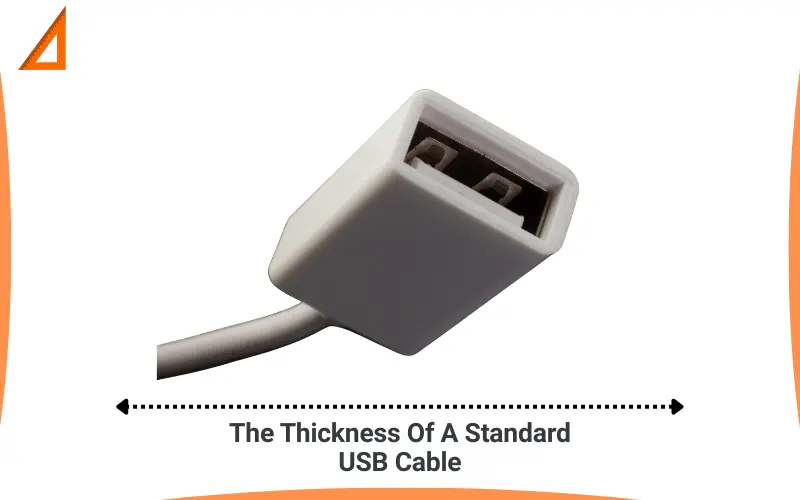
1. The Thickness Of A Standard USB Cable
How big is 7 mm

Many USB charging cables measure close to around 7 mm thick near the protective outer rubber layer. Since people use phone chargers, tablet cables, and laptop connectors every single day, this becomes one of the easiest real-life ways to picture 7 mm naturally.

Compared to thin earphone wires, USB cables feel noticeably sturdier and heavier in the hand. When wrapped around a charger brick or desk, the cable thickness becomes very easy to notice visually. Older charging cables especially tend to appear thicker because they are designed for durability and long-term use.

Most people already recognize how a charging cable feels while plugging devices in at night or carrying chargers inside backpacks. That everyday familiarity makes USB cables a very practical measurement reference for understanding what 7 mm actually looks like.

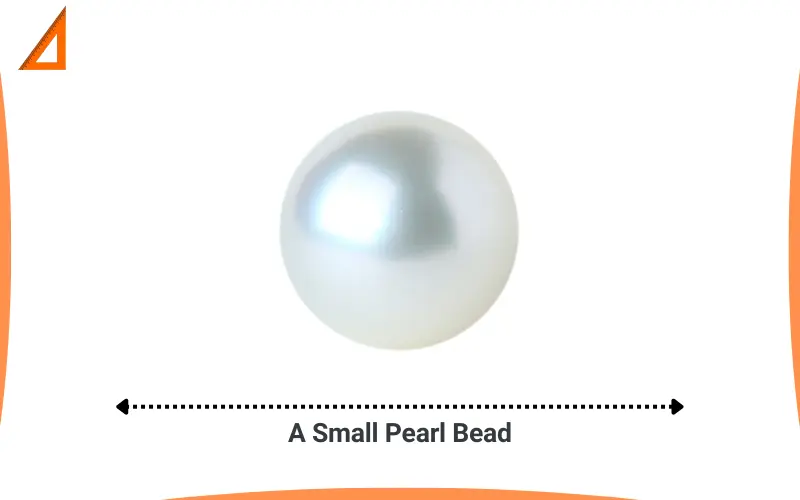
2. A Small Pearl Bead
How big is 7 mm

Some pearl beads used in bracelets and necklaces are approximately 7 mm wide. This size is popular because it looks elegant while still remaining comfortable enough for everyday jewelry.

Compared to tiny decorative beads, a 7 mm pearl stands out much more clearly on bracelets and necklaces without appearing oversized or heavy. Jewelry designers often prefer this size because it creates a balanced appearance that works well for both casual and formal accessories.

Most people already know how pearl jewelry looks in earrings, bracelets, or necklaces, which makes this a strong visual comparison. Holding a pearl bead between your fingertips gives a surprisingly accurate idea of how large 7 mm really is.

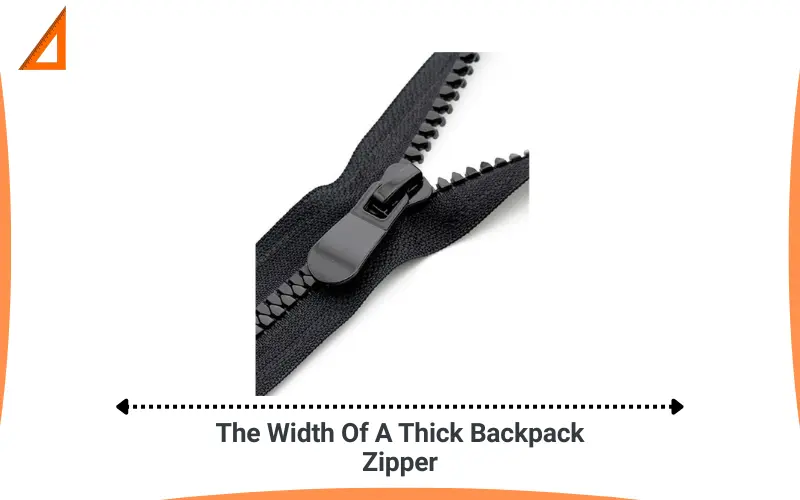
3. The Width Of A Thick Backpack Zipper
How big is 7 mm

Many backpack zipper tracks measure roughly around 7 mm wide. Compared to small zippers on wallets or jeans, backpack zippers appear thicker, stronger, and much easier to grip quickly while traveling or going to school.

People use backpacks daily for laptops, books, gym gear, and travel accessories, so the zipper width becomes a familiar size reference without most people even realizing it. When you pull a backpack zipper open, the thickness feels noticeable enough to handle comfortably with fingers, even while moving.

Because backpacks are such common everyday items, their zipper size helps create a practical and memorable understanding of 7 mm.

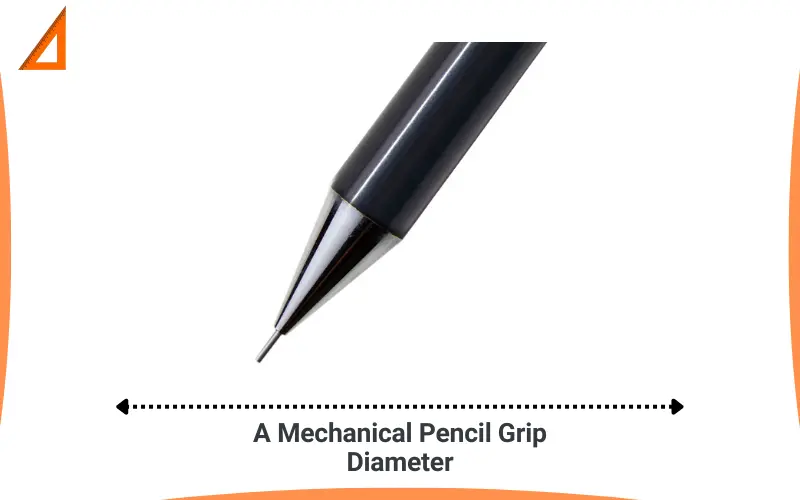
4. A Mechanical Pencil Grip Diameter
How big is 7 mm

Some mechanical pencil grips measure close to around 7 mm thick where fingers naturally hold the pencil during writing.

Compared to slim ballpoint pens, mechanical pencils usually feel slightly thicker and more balanced in the hand. That extra width helps improve grip comfort during long writing sessions at school, work, or while drawing.

Students, artists, and office workers already recognize this size because it sits comfortably between the fingers without feeling bulky. The next time you hold a mechanical pencil, the grip thickness can help you estimate 7 mm quickly without needing a ruler nearby.

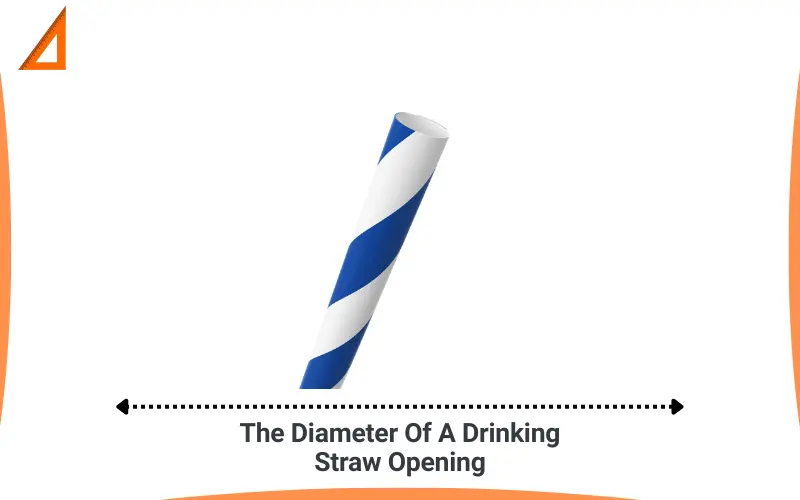
5. The Diameter Of A Drinking Straw Opening
How big is 7 mm

The opening on some reusable drink straws measures approximately 7 mm wide. Compared to thin coffee stirrers, these straws feel much wider and allow drinks to flow more smoothly, especially thicker beverages like milkshakes or smoothies.

Most people already know how a straw feels while drinking soda, juice, or iced coffee at restaurants or cafes. Looking directly at the circular opening gives a surprisingly accurate visual idea of this measurement range.

Because straws are used so often in daily life, they create an easy mental picture that helps people understand how big 7 mm actually is.

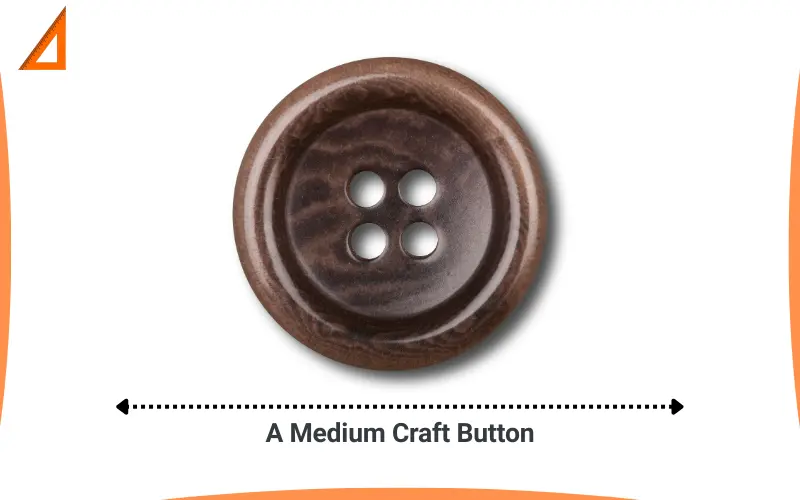
6. A Medium Craft Button
How big is 7 mm

Certain shirt or craft buttons measure roughly around 7 mm across. Compared to large coat buttons, these smaller buttons appear compact while still being clearly visible on shirts, baby clothes, or decorative sewing projects.

People interact with buttons constantly while dressing, shopping for clothing, or sewing fabrics, making them familiar real-life measurement references. A 7 mm button feels small in the hand but still large enough to grip comfortably between fingertips.

The round shape also makes it easier to imagine the exact size visually compared to flat measurement lines on a ruler.

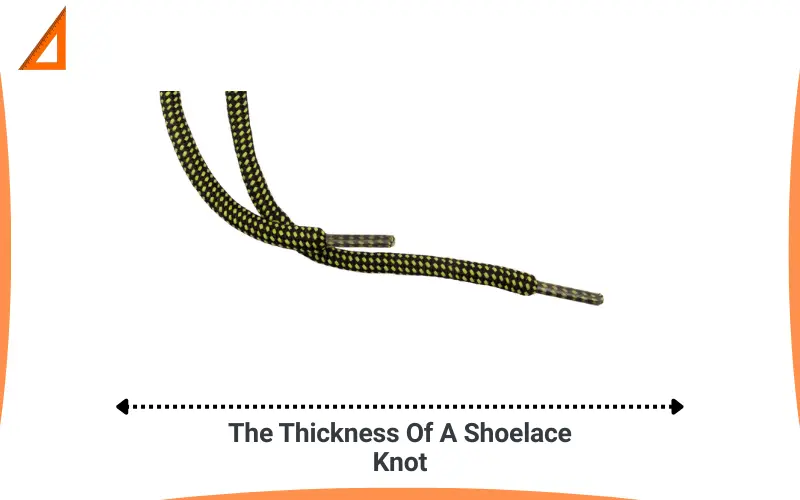
7. The Thickness Of A Shoelace Knot
How big is 7 mm

A tightly tied sneaker shoelace knot often becomes close to around 7 mm thick in certain sections. Compared to flat untied laces, the knot feels denser, more compact, and easier to grip while tightening shoes.

Most athletic sneakers use thicker laces, especially running shoes and basketball shoes, which naturally create knots around this size range. People tie their shoes daily, so the thickness becomes a very familiar physical measurement even if they never think about it directly.

This comparison works well because everyone already remembers how a sneaker knot feels while tightening or adjusting shoes.

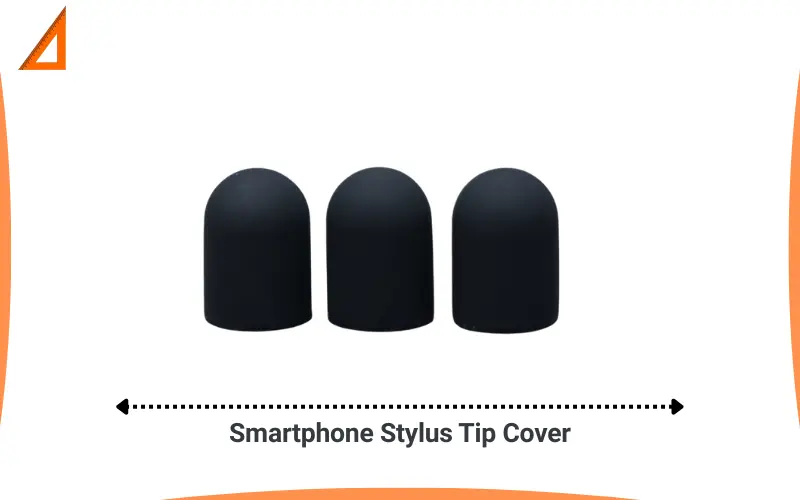
8. A Smartphone Stylus Tip Cover
How big is 7 mm

Some stylus pen rubber tips used for touchscreen devices measure approximately 7 mm wide. Compared to fine pen tips, stylus covers appear much rounder and softer because they are designed to glide smoothly across screens.

Most people have seen these stylus pens used on tablets, touchscreen laptops, or smartphones. The rounded rubber tip feels compact but still thick enough to notice instantly while writing or drawing digitally.

Since electronic accessories are part of modern daily life, stylus tips create another practical and realistic way to understand what 7 mm looks like.

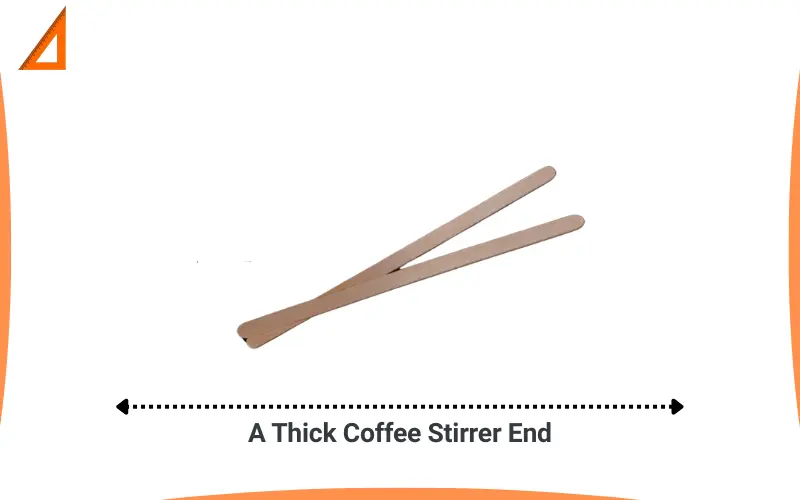
9. A Thick Coffee Stirrer End
How big is 7 mm

Certain reusable coffee stirrers measure close to around 7 mm thick near the handle section. Compared to disposable plastic stirrers, reusable versions feel stronger, sturdier, and more comfortable to hold while mixing drinks.

People often notice these stirrers in cafes, offices, or kitchens while adding sugar, milk, or cream to coffee. The handle thickness feels slim but still clearly visible between fingers without appearing tiny.

Because coffee accessories are familiar to many people worldwide, this comparison helps create a quick visual memory for estimating 7 mm naturally.

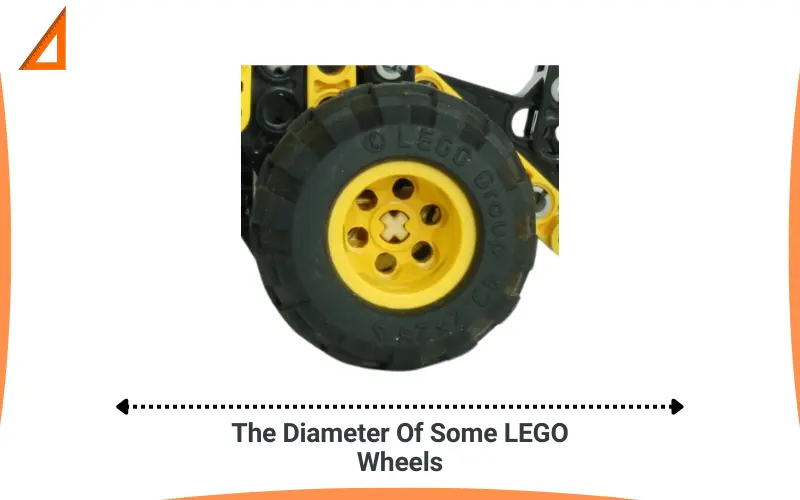
10. The Diameter Of Some LEGO Wheels
How big is 7 mm

Some small LEGO toy wheels measure nearly 7 mm wide in the center section. Compared to larger LEGO tires, these tiny wheels still feel easy to grip while building toy vehicles or small mechanical models.

Children and adults who enjoy LEGO sets often recognize these pieces immediately because they appear frequently in compact car and bike builds. Even though the wheels are small, they are still noticeable enough to handle comfortably without difficulty.

Since LEGO parts are recognized worldwide, using them as a size comparison helps people picture 7 mm much faster and more naturally than looking at ruler measurements alone.

Real-Life Situations Where 7 MM Matters

Measurements around 7 mm commonly appear in:

  • jewelry sizing
  • electronics
  • stationery
  • hardware tools
  • zipper designs
  • fashion accessories
  • DIY repairs
  • crafts and hobbies

Even tiny differences in millimeters can affect comfort, grip, fit, or appearance, especially when shopping online or working with small objects.

7 MM Compared To Other Measurements

Compared to 5 mm, 7 mm appears noticeably thicker and easier to grip. However, beside 1 centimeter, it still feels fairly compact.

This middle-size range makes 7 mm common in household accessories, electronics, fashion products, and small hardware tools. Real-life object comparisons help people estimate these measurements far more naturally than numbers alone.

FAQs

How big is 7 mm in inches?

7 mm equals approximately 0.276 inches.

Is 7 mm considered small?

Yes, 7 mm is still considered a small measurement.

What objects are about 7 mm wide?

USB cables, pearl beads, backpack zippers, and stylus tips are often close to around 7 mm.

How can I estimate 7 mm quickly?

You can compare it with a thick zipper, reusable straw opening, or stacked credit cards.

Is 7 mm bigger than 6 mm?

Yes, 7 mm is slightly larger and easier to notice visually than 6 mm.

Conclusion

At first glance, 7 mm may seem too small to imagine clearly, but familiar household objects make the measurement much easier to understand. Everyday items like USB cables, pearl beads, backpack zippers, stylus tips, and LEGO parts help turn a tiny number into something visual and memorable.

Once you become familiar with what 7 mm looks like, estimating small measurements becomes much easier during shopping, crafting, electronics work, fashion comparisons, and everyday household tasks.
How big is 6 mm

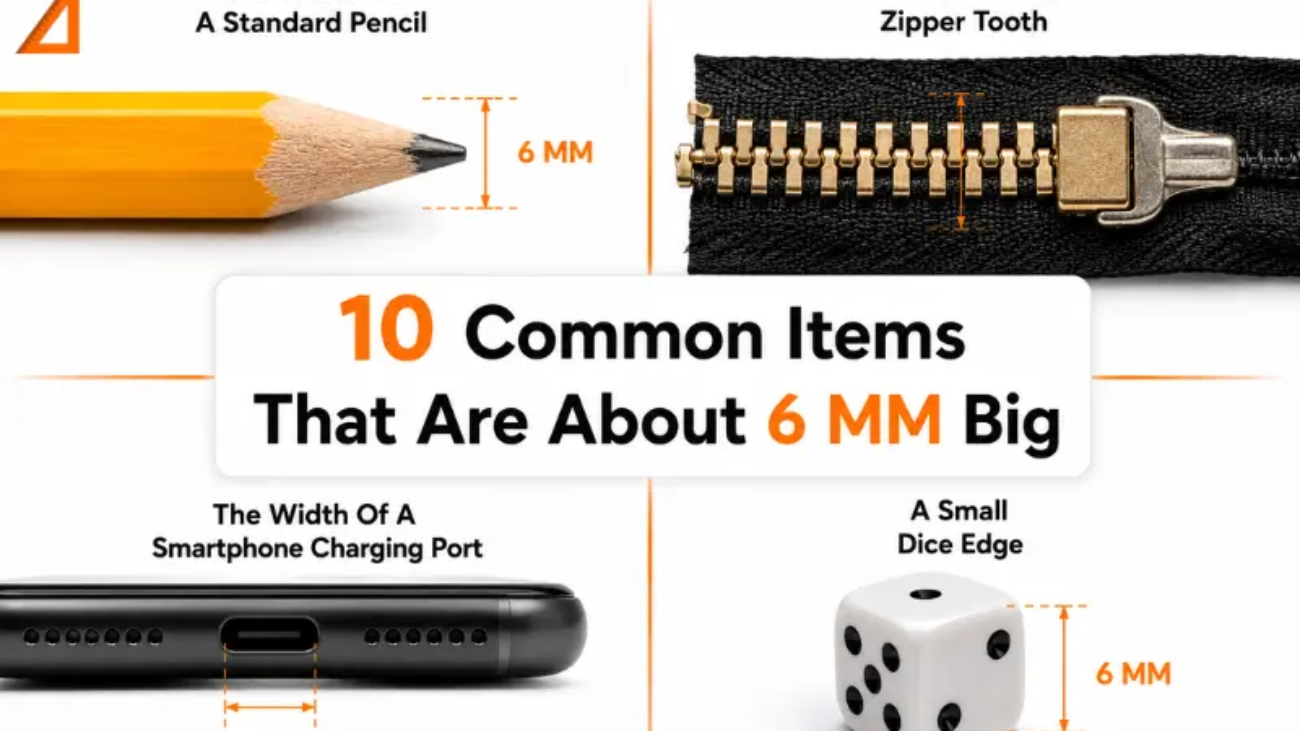
10 Common Items That Are About 6 MM Big

How big is 6 mm? Even though it sounds like a very small measurement, 6 millimeters is actually a size you see all the time in daily life. It equals approximately 0.23 inches, which is slightly larger than 5 mm and much easier to notice visually compared to tiny measurements like 1 mm or 2 mm.

Most people cannot picture millimeters just by hearing numbers alone. That’s why real-life comparisons work much better than rulers. Familiar objects help create a quick visual memory, making it easier to estimate measurements naturally while shopping online, doing crafts, using electronics, or comparing object sizes at home.

You probably interact with objects around 6 mm every day without realizing it. From hoodie strings and charging cables to bracelet beads and hardware screws, this measurement appears in many common household items.

6 MM Conversion Table

Measurement Equivalent
6 mm in centimeters 0.6 cm
6 mm in inches 0.236 inches
6 mm in meters 0.006 meters
6 mm in micrometers 6000 micrometers

What Does 6 MM Look Like?

Six millimeters is small, but it is already large enough to notice clearly with the naked eye. It feels thicker than thin wires or tiny seeds, yet still compact enough to fit comfortably between your fingertips.

It is roughly close to:

  • the thickness of some charging cables
  • the width of hoodie drawstrings
  • the size of small bracelet beads
  • the thickness of stacked credit cards

Compared to 3 mm or 4 mm, 6 mm appears noticeably chunkier and easier to recognize instantly. However, beside 1 centimeter, it still feels fairly compact and small.

Most people already know how a charging wire or hoodie string feels in the hand, which makes these objects excellent everyday size comparisons for understanding 6 mm naturally.

Is 6 MM Big Or Small?

6 mm is still considered a small measurement, but it is much easier to notice compared to tiny sizes like 1 mm or 2 mm.

For example, it is thicker than most earphone wires, slightly wider than some zipper teeth, and close to the size of many jewelry beads or hardware screws. Measurements around this size are commonly used in crafts, electronics, jewelry making, fashion accessories, tools, and DIY projects.

Because 6 mm sits in the middle range between tiny and noticeable, it becomes much easier to estimate visually during everyday tasks.

How To Estimate 6 MM Without A Ruler

One of the easiest ways to estimate 6 mm is by comparing it with familiar objects you already use daily.

A hoodie drawstring, thick charging cable, or reusable drinking straw can instantly help create a mental picture of this size. Since people already recognize the feel and thickness of these objects naturally, estimating 6 mm becomes much easier without using measuring tools.

Another helpful trick is stacking six credit cards together. The combined thickness comes very close to 6 mm and provides a simple visual reference that almost anyone can try at home.

10 Common Things That Are About 6 MM Big

Common Object Approximate Size
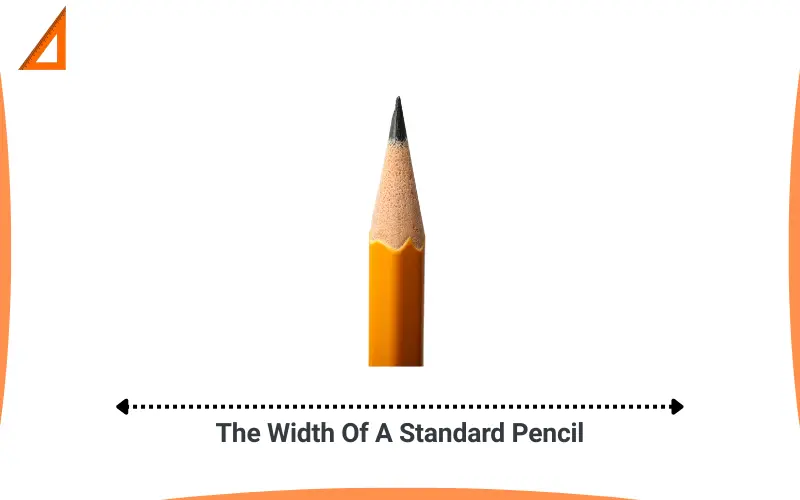
The Width Of A Standard Pencil 6 MM
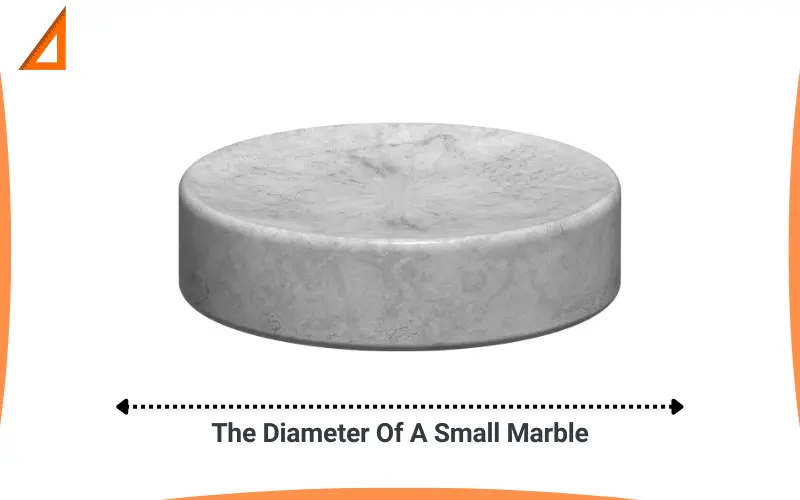
The Diameter Of A Small Marble 6 MM
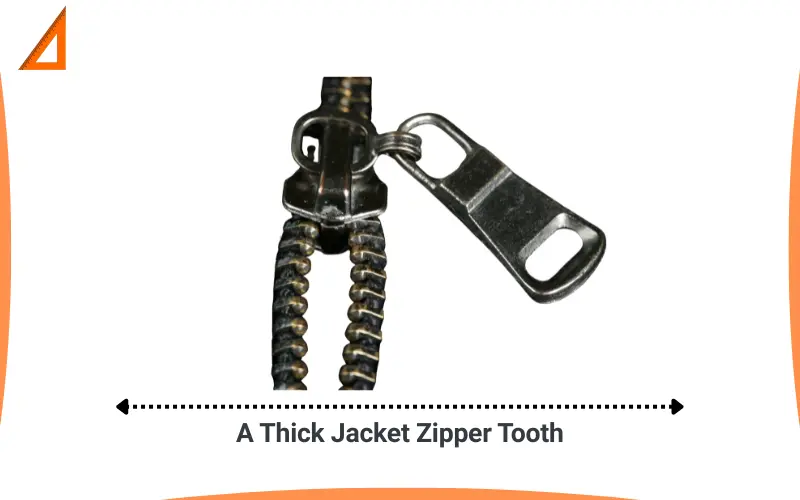
A Thick Jacket Zipper Tooth 6 MM
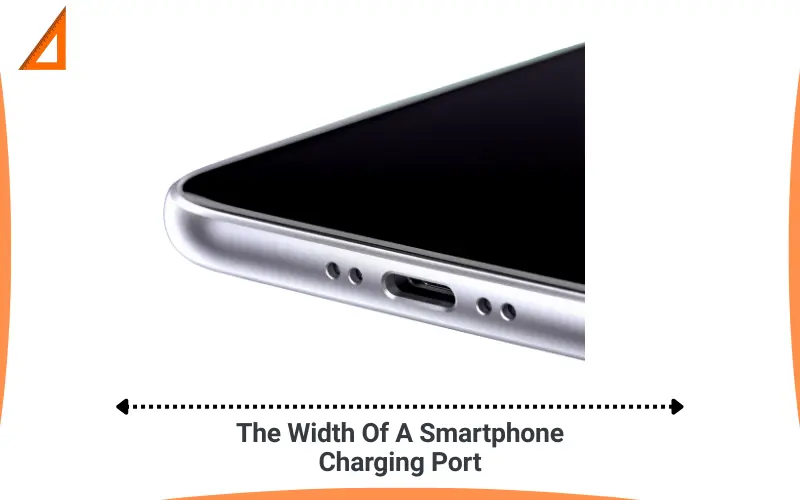
The Width Of A Smartphone Charging Port 6 MM
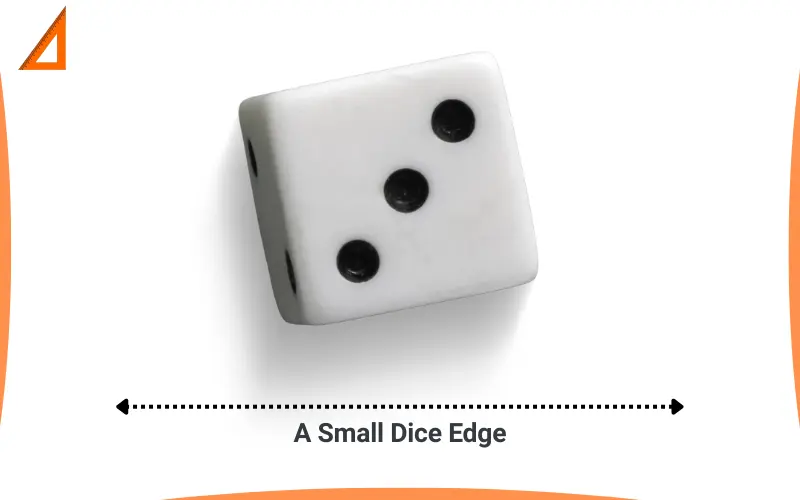
A Small Dice Edge 6 MM
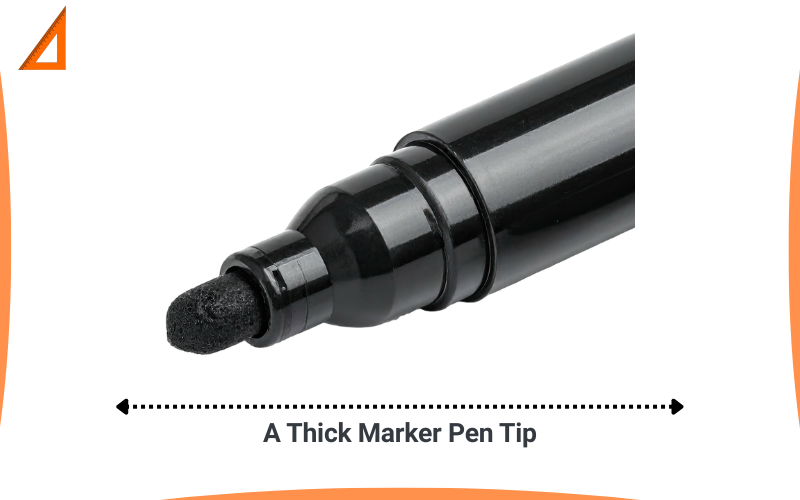
A Thick Marker Pen Tip 6 MM
The Diameter Of A Small Button Battery 6 MM
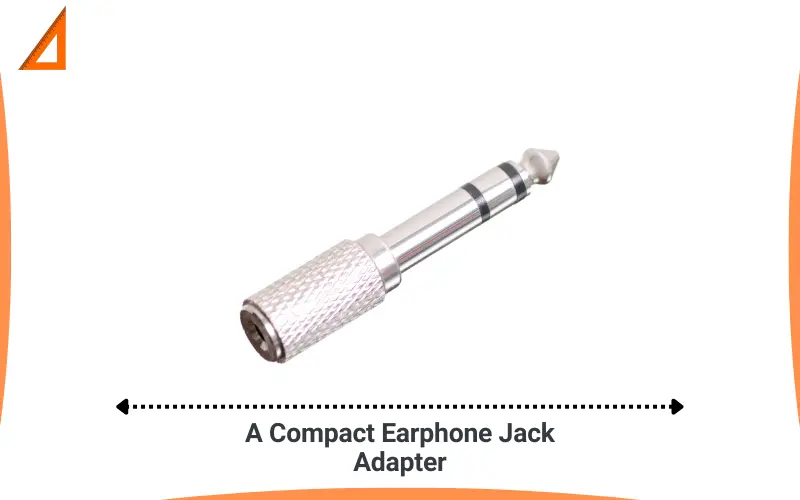
A Compact Earphone Jack Adapter 6 MM
The Width Of A Thick Candle Wick 6 MM
A Small LEGO Connector Piece 6 MM

1. The Width Of A Standard Pencil

How big is 6 mm

Many wooden pencils measure close to around 6 mm thick near the middle section. Since pencils are used in schools, offices, and homes everywhere, this becomes a very familiar way to picture 6 mm in real life.

When you hold a pencil between your fingers, it feels slim but still thick enough for a comfortable grip while writing. Compared to thin mechanical pencils, a standard wooden pencil appears noticeably chunkier and easier to hold for longer periods.

Most people already recognize the feel and size of a pencil instantly, which makes it a practical everyday measurement reference.

2. The Diameter Of A Small Marble

How big is 6 mm

Some small toy marbles are approximately 6 mm wide. Even though marbles look tiny at first glance, they are still clearly visible when rolled across a table or held in the palm.

Compared to large decorative marbles, a 6 mm marble feels lightweight and compact, yet bigger than tiny beads or seeds. Children often use marbles in games, crafts, or decoration jars, making them recognizable household objects.

The smooth round shape also helps people visualize the measurement more naturally than flat objects.

3. A Thick Jacket Zipper Tooth

How big is 6 mm

The teeth on some winter jacket zippers measure roughly around 6 mm wide. Compared to small zipper teeth on jeans or wallets, heavy jacket zippers appear much larger and sturdier.

People already notice these zippers during winter because they are easier to grab while wearing gloves. The thickness makes the zipper feel more durable and smoother to pull repeatedly.

Since jackets are worn seasonally almost everywhere, this creates another relatable real-world size comparison for understanding 6 mm.

4. The Width Of A Smartphone Charging Port

How big is 6 mm

Certain phone charging ports are close to around 6 mm wide depending on the device type. Most people plug chargers into phones daily without thinking about the exact size.

Compared to headphone jacks or tiny microphone holes, charging ports feel noticeably wider and easier to connect quickly. Looking closely at the bottom of a smartphone gives a surprisingly accurate visual idea of what 6 mm looks like.

Because smartphones are part of daily life, this comparison feels natural and easy to remember.

5. A Small Dice Edge

How big is 6 mm

The edge of some miniature dice used in board games measures approximately 6 mm.

Compared to large casino dice, miniature dice appear tiny but still readable and easy to roll on a table. Many travel board games and tabletop games use smaller dice to save space.

People who enjoy card games or tabletop games can often recognize this size immediately because the dice feel compact yet still easy to handle with fingertips.

6. A Thick Marker Pen Tip

How big is 6 mm

Some permanent marker tips measure nearly 6 mm wide. Compared to fine-tip pens, thick markers leave much bolder and darker lines on paper or cardboard.

Most people have used permanent markers for labeling boxes, school projects, or office work. The tip appears broad enough to notice instantly while still remaining small compared to paintbrushes or highlighters.

This comparison works especially well because marker tips are designed to create visible thick strokes that people recognize easily.

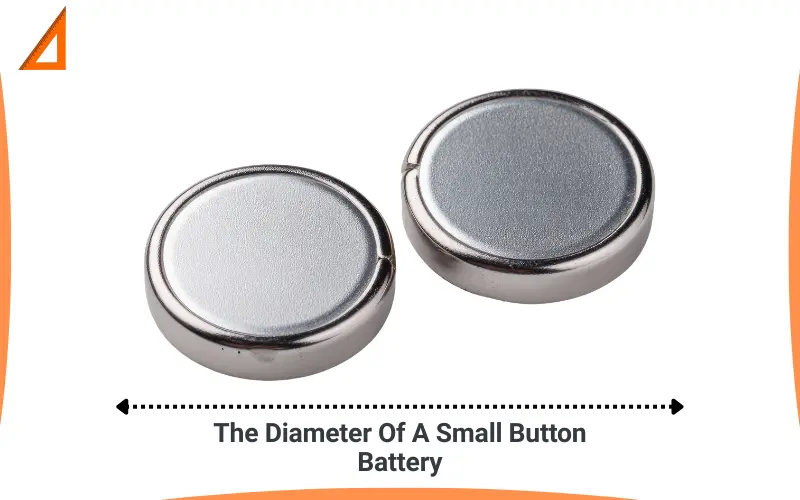
7. The Diameter Of A Small Button Battery

How big is 6 mm

Certain small button batteries used in watches or calculators measure close to around 6 mm thick or wide depending on the model.

Compared to AA batteries, button batteries look tiny and flat, but still noticeable enough to pick up easily between fingers. Many people have seen these batteries inside watches, toys, or hearing devices.

Their metallic circular shape helps create a clear visual understanding of the 6 mm measurement range.

8. A Compact Earphone Jack Adapter

How big is 6 mm

Some earphone jack adapters and audio connectors measure roughly around 6 mm thick near the metal connector area.

Compared to ultra-thin charging pins, these adapters appear sturdier and easier to plug into audio devices. Most people who use headphones with laptops, gaming consoles, or older smartphones recognize the feel of these small metal connectors.

Since electronics are handled daily, this comparison helps create a practical mental picture of 6 mm.

9. The Width Of A Thick Candle Wick

How big is 6 mm

Certain decorative candles use thick wicks measuring approximately 6 mm wide. Compared to tiny birthday candle wicks, these larger wicks burn brighter and support larger candle sizes.

People often notice thicker candle wicks in scented candles placed in bedrooms, living rooms, or bathrooms. The wick appears small, but still thick enough to stand out clearly while lighting the candle.

This creates a useful visual comparison because candles are common household decoration items.

10. A Small LEGO Connector Piece

How big is 6 mm

Some LEGO connector pins and round attachment parts are close to around 6 mm wide.

Compared to large LEGO blocks, these connector pieces feel tiny but still easy to grip while building models. Children and adults who enjoy LEGO sets often recognize these smaller components immediately because they are used frequently during assembly.

Since LEGO pieces are highly recognizable worldwide, they provide another simple and realistic way to picture what 6 mm looks like in everyday life.

Real-Life Situations Where 6 MM Matters

Measurements around 6 mm are commonly used in jewelry making, screw sizing, electronics, cable thickness, crafts, fashion accessories, hardware tools, and DIY projects.

Even a difference of 1 or 2 millimeters can change how an object feels, fits, or functions. That’s why understanding small measurements visually becomes very helpful in everyday situations.

6 MM Compared To Other Measurements

Compared to 4 mm, 6 mm appears noticeably thicker and easier to spot immediately. However, beside 1 centimeter, it still feels relatively small.

This middle-size range makes 6 mm useful for many household items, electronics, jewelry pieces, and tools. Real-life comparisons help train the eye much faster than ruler numbers alone.

FAQs

How big is 6 mm in inches?

6 mm equals approximately 0.236 inches.

Is 6 mm considered small?

Yes, 6 mm is still considered a small measurement.

What objects are about 6 mm wide?

Hoodie drawstrings, bracelet beads, charging cables, and thick shoelaces are often close to around 6 mm.

How can I estimate 6 mm quickly?

You can compare it with a drinking straw, hoodie string, or charger cable.

Is 6 mm bigger than 5 mm?

Yes, 6 mm is slightly thicker and easier to notice visually than 5 mm.

Conclusion

At first glance, 6 mm may sound too small to picture clearly, but familiar everyday objects make this tiny measurement much easier to understand. Hoodie drawstrings, bracelet beads, charging cables, drinking straws, and screws all provide realistic comparisons that help turn a small number into something visual and memorable.

Once you become familiar with what 6 mm looks like, estimating small measurements becomes much easier during shopping, crafting, electronics work, home repairs, and everyday household tasks.
How big is 5 mm

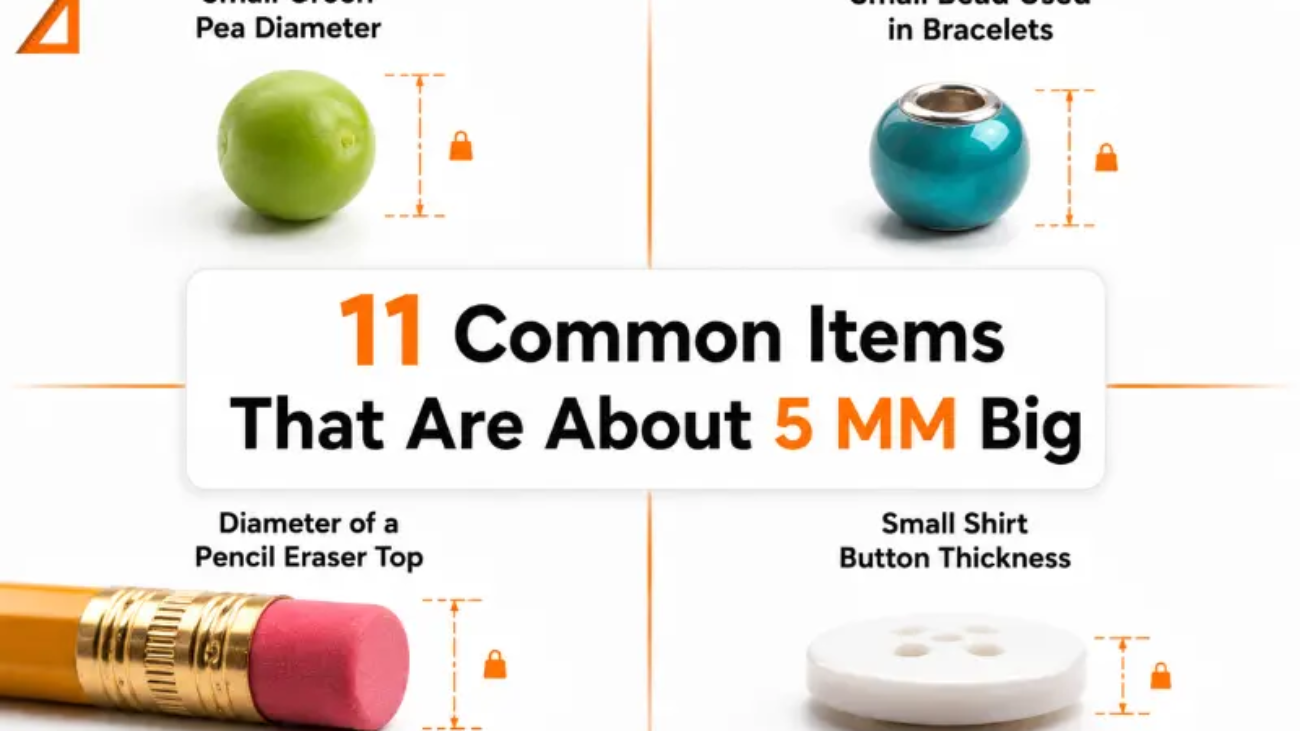
11 Common Items That Are About 5 MM Big

How big is 5 mm? It’s still considered a small measurement, but compared to 2 mm, 3 mm, or 4 mm, it becomes much easier to notice in everyday objects. Five millimeters equals approximately 0.19 inches, which is close to the thickness of some charging cables, small beads, zipper pulls, or compact hardware parts. Even though the number sounds tiny, you probably interact with objects around this size every day without realizing it.

Most people struggle to picture millimeter measurements because they are too small to estimate accurately by eye alone. That’s why real-life size comparisons work much better than ruler markings. Familiar objects help your brain create a quick visual memory, making it easier to estimate measurements naturally in daily situations like shopping, crafting, electronics, jewelry sizing, or DIY work.

5 MM Conversion Table

Measurement Equivalent
5 mm in centimeters 0.5 cm
5 mm in inches 0.197 inches
5 mm in meters 0.005 m
5 mm in micrometers 5000 micrometers

What Does 5 MM Look Like?

Five millimeters is small, but it is already thick enough to notice clearly beside thinner objects.

It is roughly:

  • the thickness of some USB charging cables
  • the width of medium zipper pulls
  • the size of small peas or beads
  • the thickness of stacked coins

Compared to 3 mm or 4 mm, 5 mm appears slightly chunkier and easier to hold visually. It still feels compact, but not extremely tiny anymore.

For example, many people already recognize the feel of a standard charging cable in the hand, which makes it easier to imagine what 5 mm actually looks like.

Is 5 MM Big or Small?

5 mm is still considered small, but compared to very tiny measurements like 1 mm or 2 mm, it becomes much easier to notice immediately.

For instance, a small jewelry bead might measure around 5 mm, while a thick marker pen or battery is obviously much larger. This makes 5 mm sit in the middle range where it is small yet clearly visible.

Measurements around this size are commonly used in:

  • jewelry
  • electronics
  • craft supplies
  • hardware tools
  • fashion accessories
  • sewing materials
  • cable thickness

How To Estimate 5 MM Without a Ruler

One of the easiest ways to estimate 5 mm is by comparing it with familiar household objects.

A standard earphone wire, hoodie drawstring tip, or small zipper pull can help provide a quick visual reference. Since people already recognize how these objects look and feel, estimating 5 mm becomes much easier naturally.

Another helpful trick is comparing it beside coins or keyboard buttons. Once you become familiar with this size range, your eyes start recognizing it automatically during everyday tasks.

11 Common Things That Are About 5 MM Big

These 11 common things that are about 5 MM big help make small measurements much easier to picture in real life. Everyday objects like charging cables, small beads, zipper pulls, shirt buttons, and hoodie strings provide practical size comparisons that help you quickly understand what 5 millimeters actually looks like without using a ruler. Since most people already recognize the feel and appearance of these items, visualizing 5 MM becomes much more natural and accurate.

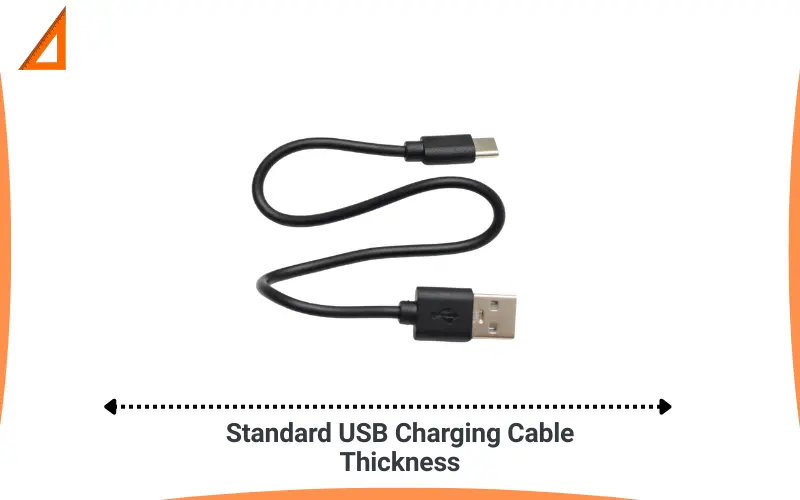
1. Standard USB Charging Cable Thickness

How big is 5 mm

Many USB charging cables measure close to around 5 mm thick near the outer rubber coating. Since almost everyone uses phone chargers daily, this becomes one of the easiest real-life comparisons for understanding 5 mm.

When you hold a charging cable between your fingers, it feels flexible but still sturdy enough to survive bending and twisting. Compared to ultra-thin earphone wires, a 5 mm charging cable appears noticeably thicker and more durable.

Most people already recognize the size of a charger wrapped beside a bed or desk, which makes this a strong everyday measurement reference.

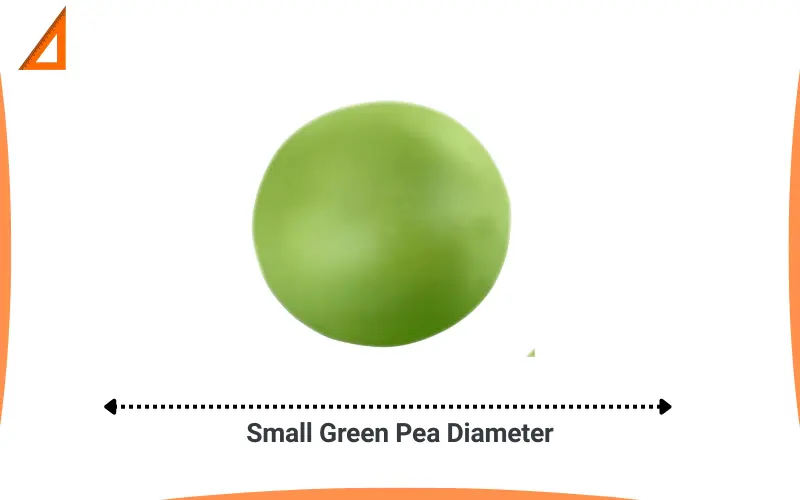
2. Small Green Pea Diameter

How big is 5 mm

A standard green pea is often close to about 5 mm in diameter depending on the variety.

Food items create excellent visual comparisons because people see them regularly without needing rulers. A pea feels small in the hand, but it is still large enough to notice clearly on a plate or cutting board.

Compared to tiny seeds or grains of rice, a pea looks fuller and rounder, helping demonstrate how 5 mm appears in real life.

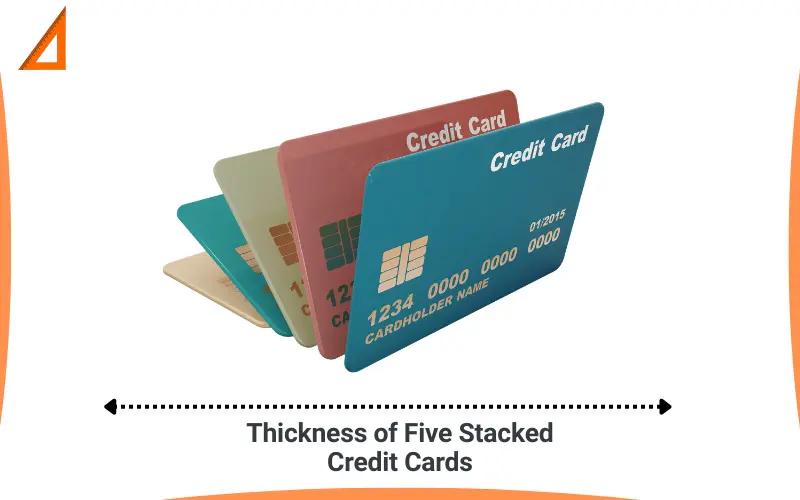
3. Thickness of Five Stacked Credit Cards

How big is 5 mm

A single credit card is usually around 1 mm thick, so stacking five together creates a height close to 5 mm.

This comparison works well because stacked cards create a clean, straight measurement that is easy to observe from the side. The small stack feels compact but clearly visible between the fingers.

Compared to thin paper sheets, the cards feel much firmer and heavier, which helps the brain understand that 5 mm is not microscopic — it is small but noticeable.

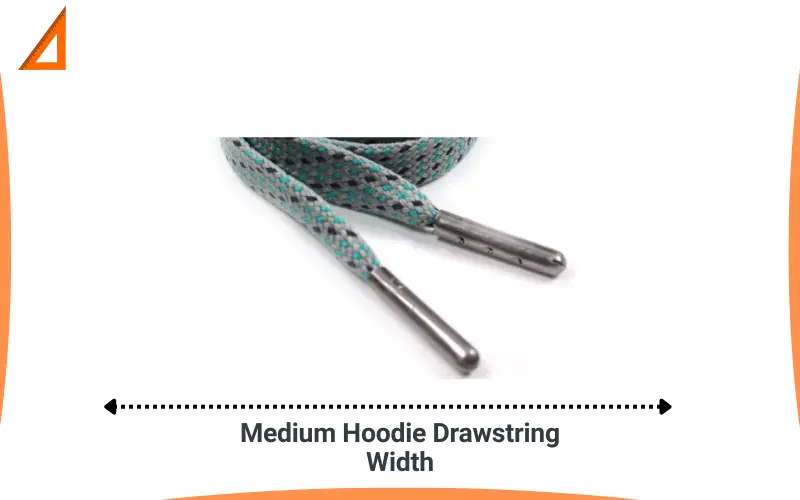
4. Medium Hoodie Drawstring Width

How big is 5 mm

Many hoodie drawstrings measure roughly around 5 mm thick near the fabric cord section.

Because hoodies are worn almost everywhere, this creates a practical real-world size comparison. When you pull or tie hoodie strings, the thickness becomes easy to notice without thinking about measurements.

Compared to thin shoelaces, hoodie strings usually feel softer, wider, and more comfortable to grip. This makes them a useful everyday reference for visualizing 5 mm.

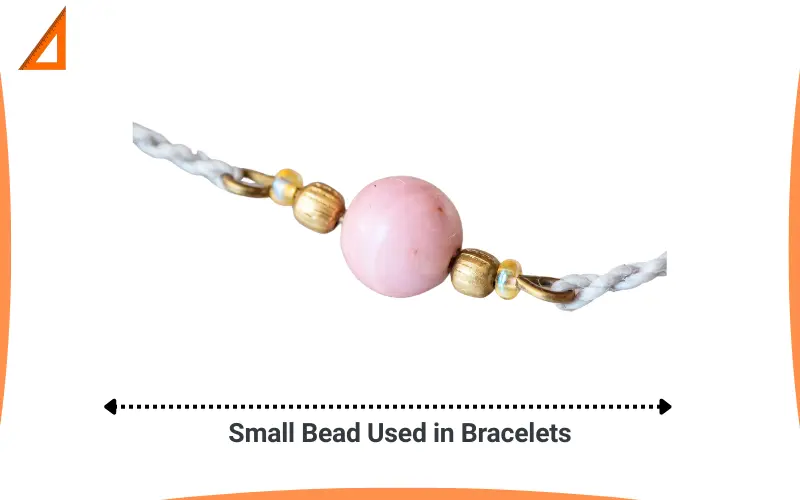
5. Small Bead Used in Bracelets

How big is 5 mm

Many bracelet beads used in crafts or jewelry making measure approximately 5 mm wide.

Jewelry stores often list bead sizes in millimeters, so understanding this measurement becomes helpful while shopping online. A 5 mm bead looks small individually but becomes much more noticeable when multiple beads are placed together on a bracelet.

Compared to larger decorative beads, 5 mm beads feel lighter and more subtle while still remaining easy to see.

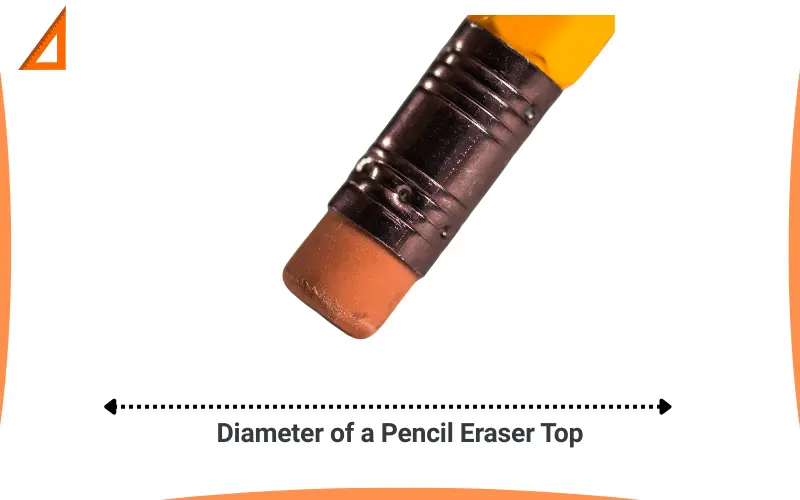
6. Diameter of a Pencil Eraser Top

How big is 5 mm

The top section of certain pencil erasers can measure close to around 5 mm thick.

Pencils are familiar household objects found in schools, offices, and homes worldwide. Looking at the upper edge of an eraser provides a surprisingly accurate size comparison.

Compared to thicker marker caps or crayons, the eraser edge still feels relatively slim, but clearly larger than tiny needle-sized objects.

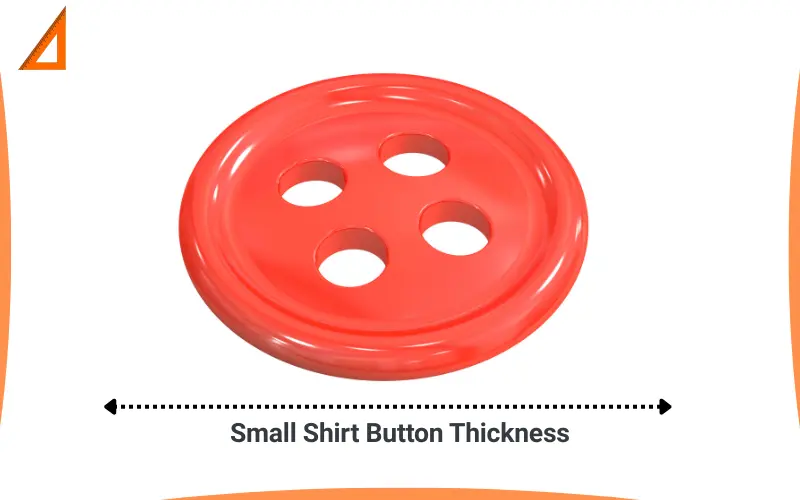
7. Small Shirt Button Thickness

How big is 5 mm

Some shirt buttons measure close to about 5 mm thick depending on material and design.

People handle buttons daily but rarely think about their exact measurements. Looking at a button from the side gives a useful visual clue about small millimeter sizes.

Compared to heavy coat buttons or jacket buttons, shirt buttons feel lighter and thinner while still remaining noticeable enough to grip easily.

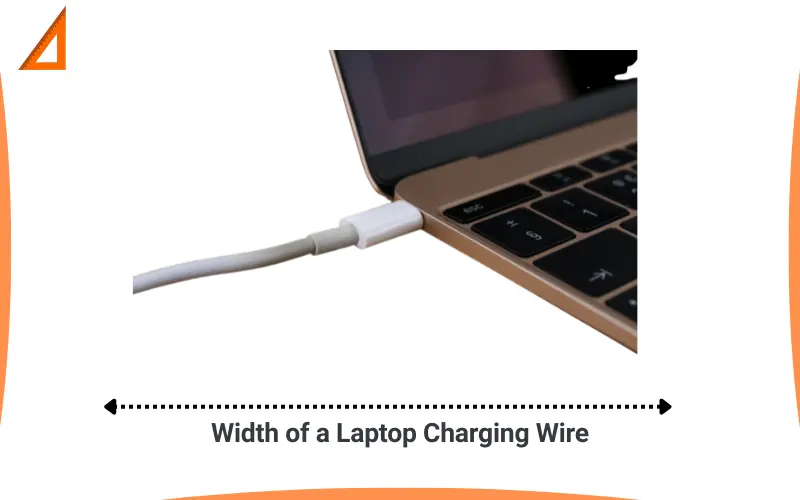
8. Width of a Laptop Charging Wire

How big is 5 mm

Laptop charging cables are usually thicker than phone chargers, and some sections measure roughly around 5 mm.

This comparison works especially well because people already recognize the feel of sturdy charging wires around desks and workspaces. Compared to delicate earphone cords, these cables appear more solid and durable.

The next time you hold a laptop charger, the cable thickness can help you estimate 5 mm naturally without needing measurement tools.

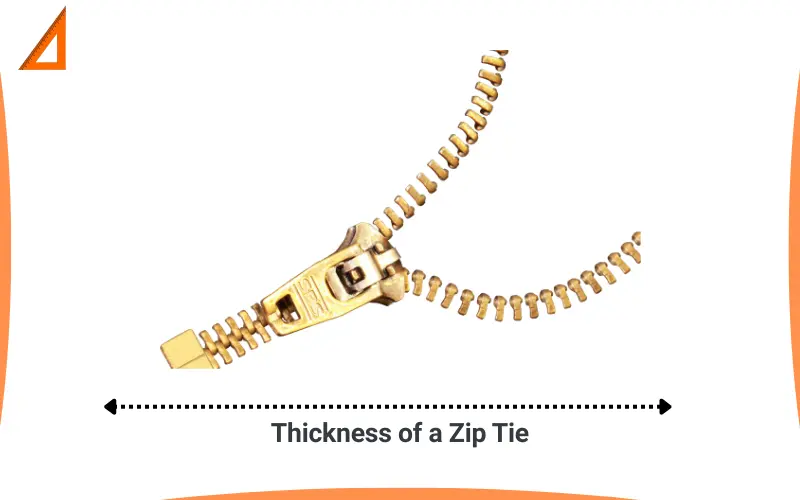
9. Thickness of a Zip Tie

How big is 5 mm

Small zip ties used for organizing computer wires often measure approximately 5 mm wide.

These ties are commonly used behind TVs, desks, gaming setups, or office stations. Since people interact with them during cable management, they become useful everyday measurement references.

Compared to industrial zip ties used for heavy-duty work, smaller ties still feel flexible and lightweight while remaining easy to notice visually.

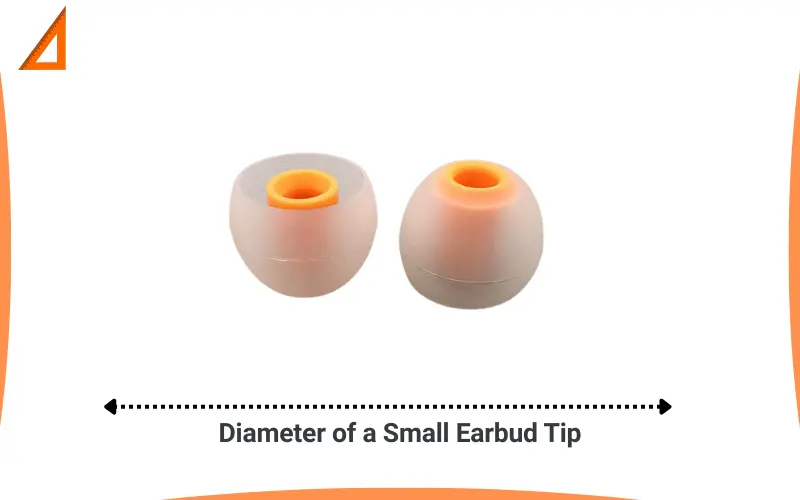
10. Diameter of a Small Earbud Tip

How big is 5 mm

Some silicone earbud tips measure around 5 mm in certain inner sections.

Because wireless earbuds are extremely common today, this creates a modern and relatable size comparison. When you hold an earbud close to your fingers, the opening appears small but still clearly visible.

Compared to large over-ear headphone cushions, earbud tips feel compact and lightweight, helping create a realistic understanding of 5 mm.

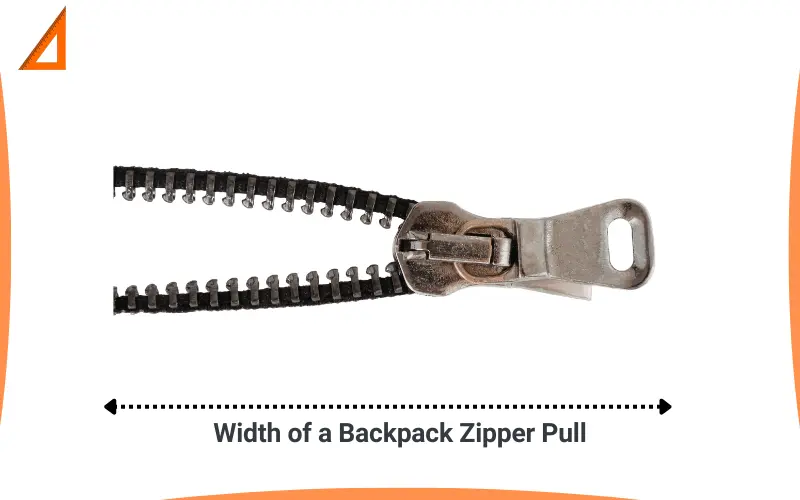
11. Width of a Backpack Zipper Pull

How big is 5 mm

The small pull section on lightweight backpack zippers often measures close to about 5 mm wide.

Backpacks, gym bags, and travel bags use zippers constantly, making this a highly recognizable everyday object. The pull tab feels small enough for quick grip while still remaining durable.

Compared to thick suitcase zipper pulls, smaller backpack zipper parts appear slimmer and easier to move quickly with one hand.

Real-Life Situations Where 5 MM Matters

Measurements around 5 mm are commonly used in:

  • jewelry sizing
  • cable thickness
  • sewing and crafts
  • electronics
  • hardware tools
  • zipper designs
  • fashion accessories
  • DIY projects

Even a difference of 1 or 2 millimeters can change how an object fits, feels, or functions.

5 MM Compared to Other Measurements

Compared to 3 mm, 5 mm appears noticeably thicker and easier to recognize quickly.

However, beside 1 centimeter, it still feels fairly small. This middle-sized range helps people estimate small household objects more accurately.

Side-by-side comparisons train the eye much better than ruler numbers alone.

FAQs

How big is 5 mm in inches?

5 mm equals approximately 0.197 inches.

Is 5 mm considered small?

Yes, 5 mm is still considered a small measurement.

What objects are about 5 mm thick?

Charging cables, beads, zipper pulls, and small buttons are often close to around 5 mm.

How can I estimate 5 mm quickly?

You can compare it with a USB cable, pea, or hoodie drawstring.

Is 5 mm bigger than 4 mm?

Yes, 5 mm is slightly thicker and easier to notice visually than 4 mm.

Conclusion

At first glance, 5 mm may sound too small to picture clearly, but familiar objects make the measurement much easier to understand. Everyday items like charging cables, zipper pulls, beads, and peas provide realistic comparisons that help turn a tiny number into something visual and memorable.

Once you become familiar with what 5 mm looks like, estimating small measurements becomes much easier during shopping, crafting, electronics work, repairs, and daily household tasks.
How big is 4 mm

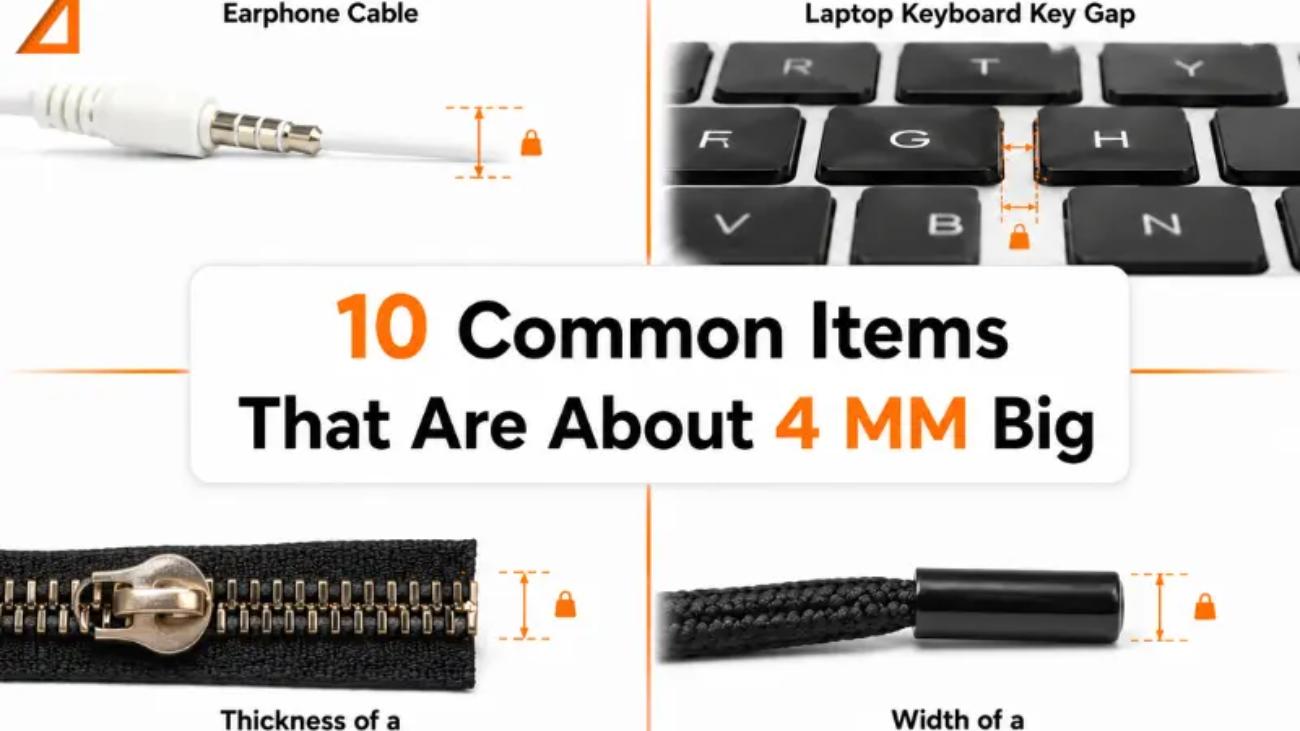
10 Common Items That Are About 4 MM Big

How big is 4 mm? It’s a very small measurement, but it is still large enough to notice clearly when compared with familiar everyday objects. Four millimeters equals approximately 0.157 inches, which makes it slightly thicker than tiny wires, thin zipper teeth, or narrow jewelry parts.

Most people hear measurements like 4 mm but struggle to imagine the actual size without using a ruler. That happens because the human eye is not naturally good at estimating tiny distances. Real-life comparisons work much better because your brain already recognizes the size and feel of common objects around you.

From charging cables and hoodie strings to keyboard gaps and drink straws, measurements around 4 mm appear in daily life more often than people realize. Once you become familiar with this size, estimating small objects becomes much easier while shopping, crafting, repairing electronics, or comparing accessories.

4 MM Conversion Table

Measurement Equivalent
4 mm in centimeters 0.4 cm
4 mm in inches 0.157 inches
4 mm in meters 0.004 m
4 mm in micrometers 4000 micrometers

What Does 4 MM Look Like?

Four millimeters is small, but compared to 1 mm, 2 mm, or 3 mm, it already starts becoming easier to notice visually.

It is roughly:

  • the thickness of some charging cables
  • the width of small zipper teeth
  • the diameter of thin drink straws
  • the size of tiny watch parts

If you look at a ruler carefully, 4 mm only covers four tiny lines. However, comparing it with familiar objects gives a much faster understanding than ruler markings alone.

For example, the width of a thin earphone wire already gives a strong visual clue about what 4 mm feels like in real life.

Is 4 MM Big or Small?

4 mm is still considered a small measurement, but it is noticeably larger than extremely tiny sizes like 1 mm or 2 mm.

For example, a thin electrical wire may measure close to 4 mm, while a thick marker pen or USB connector is much larger. This puts 4 mm in the “small but visible” category.

In everyday situations, measurements around this size are commonly used in electronics, jewelry, crafts, watches, cables, fashion accessories, and household tools.

How To Estimate 4 MM Without a Ruler

One of the easiest ways to estimate 4 mm is by comparing it with objects you already handle daily.

A charging cable, hoodie string tip, zipper tooth, or thin straw can all provide quick visual references. Since these objects are already familiar, your brain remembers their size more naturally than ruler numbers.

Another useful trick is comparing multiple objects together. For example, the width of a laptop keyboard key gap is much smaller than a phone charging port but close to around 4 mm. Side-by-side comparisons like this help train your eyes to estimate small measurements faster.

10 Common Things That Are About 4 MM Big

These 10 common things that are about 4 MM big make small measurements much easier to picture in real life. From thin electrical wires and jewelry chains to rice grains and tiny screws, these familiar objects provide simple visual comparisons that help you quickly understand what 4 millimeters actually looks like without using a ruler.

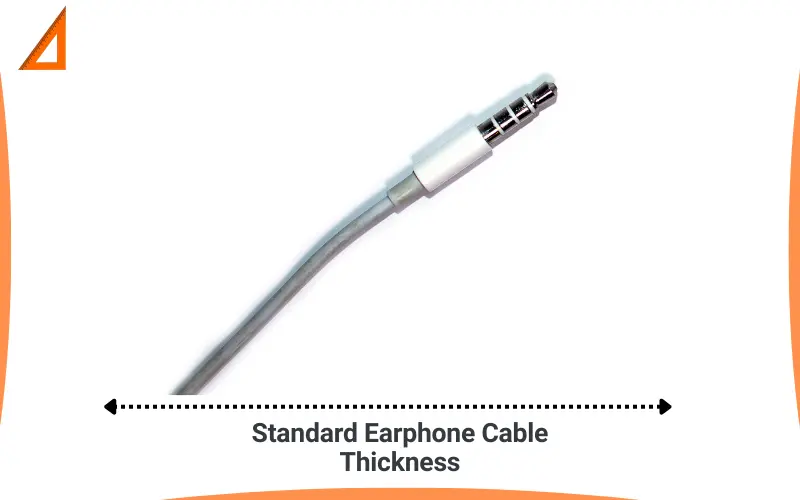
1. Standard Earphone Cable Thickness

How big is 4 mm

Many wired earphone cables measure close to around 4 mm thick near the main cord section. Since people use earphones almost every day while traveling, exercising, or watching videos, this comparison feels instantly familiar.

When you hold an earphone cable between your fingers, it feels thin but still strong enough not to snap easily. Compared to ultra-thin charging wires or delicate headphone cords, a 4 mm cable appears slightly thicker and more durable. Most people already recognize how an earphone cable looks hanging from a phone or laptop, making it one of the easiest ways to picture 4 mm in real life.

If you compare an earphone cable beside a thicker laptop charging wire, the difference becomes obvious immediately. The earphone cable still feels slim, but not as tiny as thread-like wires used in delicate electronics.

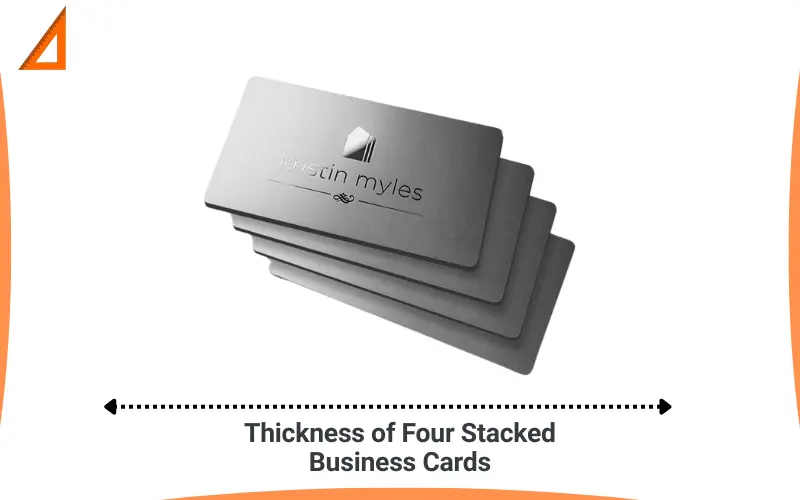
2. Thickness of Four Stacked Business Cards

How big is 4 mm

A single business card is usually around 0.8 to 1 mm thick, so stacking four together creates a height close to about 4 mm.

This comparison works well because business cards feel much firmer than paper sheets, making the thickness easier to notice visually. When stacked together, the cards create a small but visible block that helps the brain estimate this measurement naturally.

Compared to a thick notebook cover or cardboard packaging, 4 mm still feels slim, but it is much easier to notice than 1 or 2 mm. Most people already know the feel of holding multiple cards in one hand, which makes this a practical real-life measurement reference.

Looking at stacked cards from the side also gives a cleaner visual guide than trying to estimate tiny ruler lines.

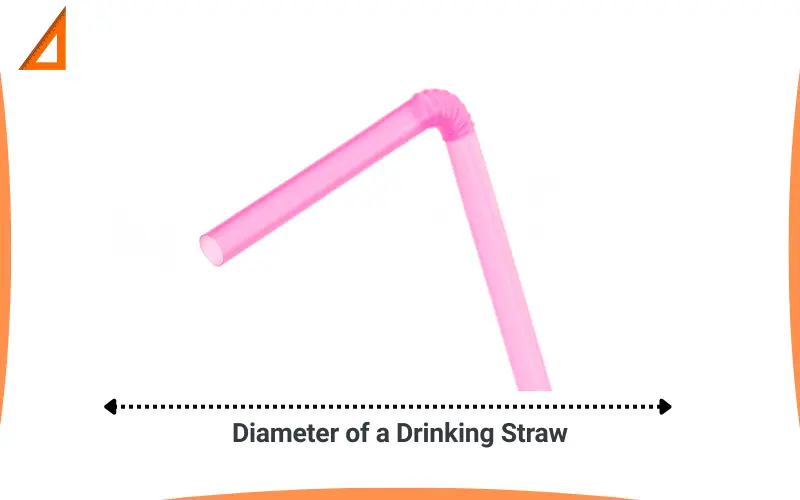
3. Diameter of a Drinking Straw

How big is 4 mm

Some standard plastic drinking straws measure close to 4 mm in diameter, especially thinner juice straws used in small drink boxes.

Because straws are everyday household items, this creates a practical size comparison that most people can instantly recognize. When you look directly at the circular opening of a straw, the width gives a very accurate idea of what 4 mm looks like.

Compared to large smoothie straws or bubble tea straws, these thinner versions appear much narrower and more compact. A regular juice straw feels small enough for lightweight drinks while still remaining easy to hold comfortably.

This comparison also works well because people naturally interact with straws closely, making the size easier to remember visually.

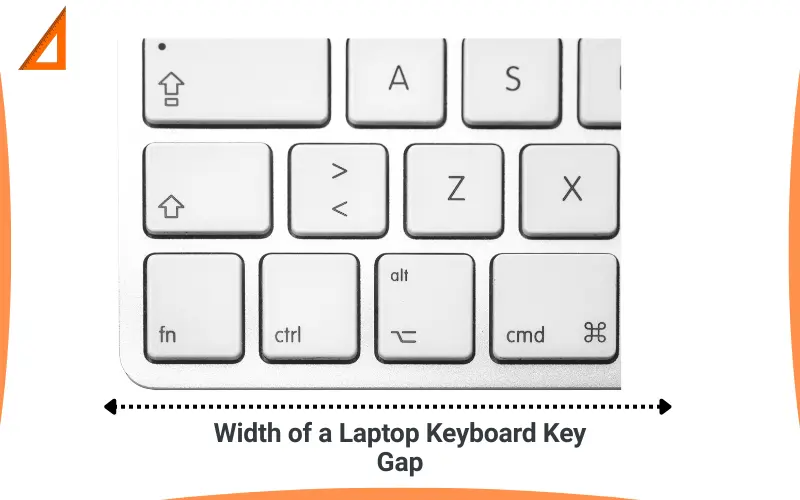
4. Width of a Laptop Keyboard Key Gap

How big is 4 mm

The small spacing between many laptop keyboard keys is often close to around 4 mm.

People spend hours typing every day but rarely notice these tiny measurements. Once you look carefully between the keys, the narrow gap gives a realistic visual guide for understanding how small 4 mm actually is.

Compared to wider desktop keyboard spacing, laptop keyboards usually feel more compact, which makes this a useful real-life measurement reference. The tight spacing also explains why laptop keyboards feel smaller and more compressed during typing.

Most people already know the size of a keyboard from memory, so this comparison helps create a fast mental picture without needing a ruler.

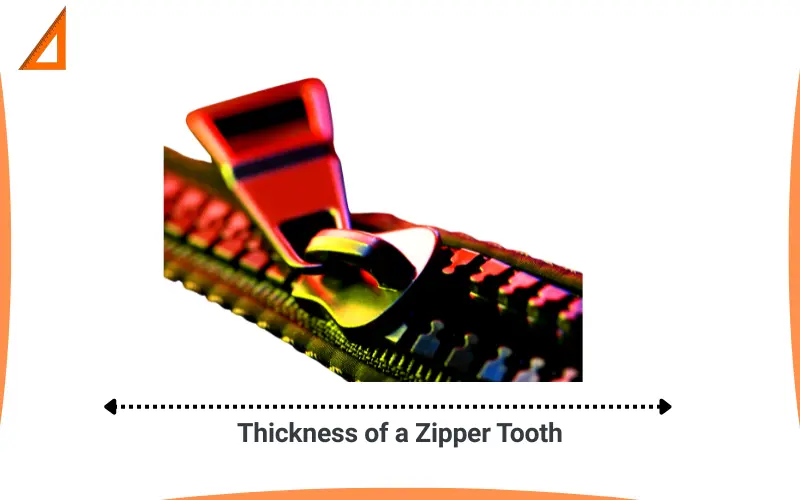
5. Thickness of a Zipper Tooth

How big is 4 mm

The individual teeth on medium-sized jacket or backpack zippers often measure approximately 4 mm wide.

This comparison feels relatable because almost everyone uses jackets, bags, or backpacks regularly. When you zip a jacket slowly and observe the teeth closely, the size becomes much easier to picture.

Compared to large heavy-duty suitcase zippers, a 4 mm zipper tooth appears smaller and more lightweight while still remaining clearly visible. Smaller zipper teeth also make clothing feel smoother and more flexible.

The next time you use a backpack or hoodie zipper, looking closely at the individual teeth can help you estimate 4 mm naturally.

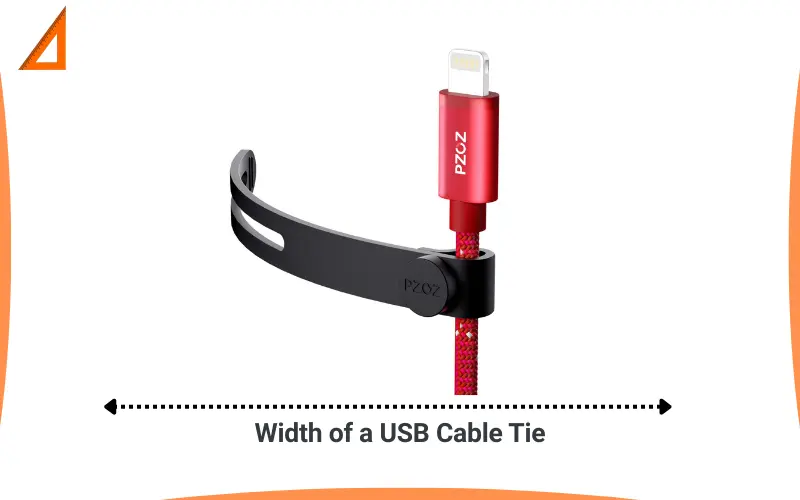
6. Width of a USB Cable Tie

How big is 4 mm

The small reusable straps used for tying USB cables together often measure around 4 mm wide.

These thin cable organizers are common around computer desks, TV setups, and office workstations. Because people handle them frequently while organizing wires, they create an excellent everyday size reference.

Compared to industrial cable straps used for thick electrical wires, these smaller ties feel much slimmer and easier to bend. They are designed for lightweight cables rather than heavy-duty use.

Most people already recognize the feel of wrapping these small straps around cords, making them easy visual examples for understanding 4 mm.

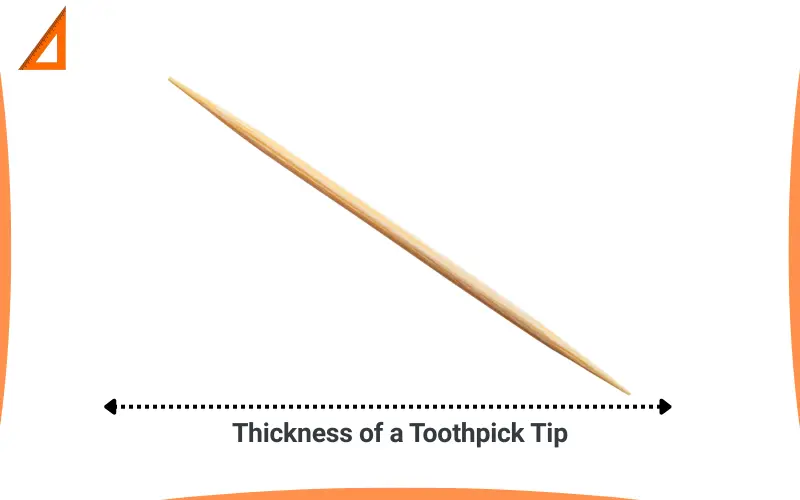
7. Thickness of a Toothpick Tip

How big is 4 mm

The pointed section near the end of a wooden toothpick can measure close to around 4 mm before narrowing further at the tip.

Most people already know how small a toothpick feels in the hand, making this comparison easy to remember. Looking closely at the upper pointed area helps create a more accurate mental picture of small millimeter measurements.

Compared to pencils or chopsticks, the toothpick appears extremely thin and lightweight. However, it still feels stronger and more noticeable than thread or sewing needles.

This comparison works especially well because toothpicks are common in restaurants, kitchens, and homes worldwide.

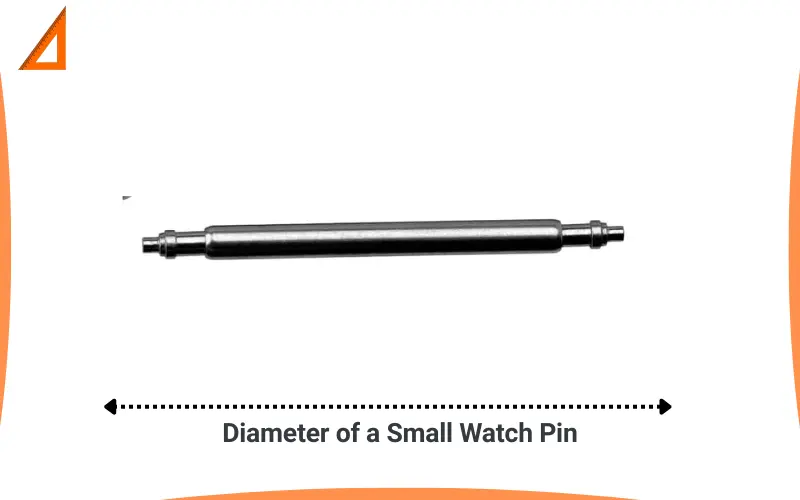
8. Diameter of a Small Watch Pin

How big is 4 mm

The tiny metal pins used inside wristwatch bands often measure roughly around 4 mm in width.

Watch repair parts are designed with very precise measurements, which makes them useful for understanding small dimensions. Compared to normal household screws or nails, these tiny pins appear almost miniature.

People who have adjusted watch straps before may already recognize how delicate and compact these pieces feel. Even though they are tiny, they still need enough thickness to support the watch band securely.

Compared to thicker jewelry parts, these pins show how 4 mm can remain functional while still appearing very small.

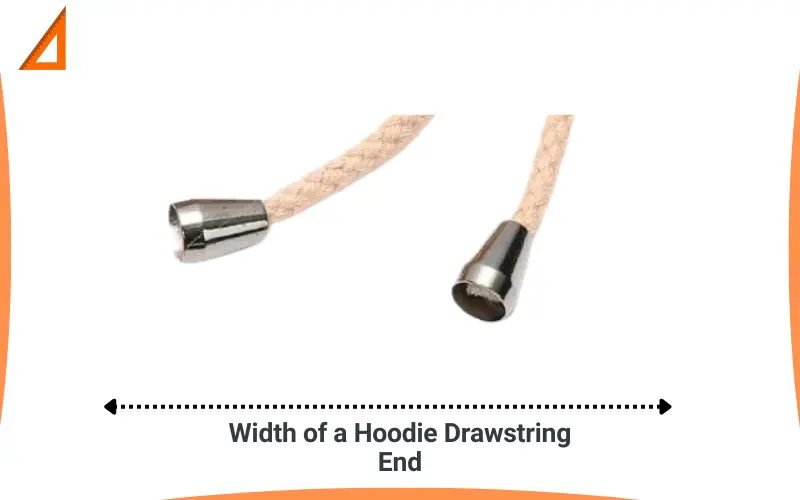
9. Width of a Hoodie Drawstring End

How big is 4 mm

The plastic or metal cap at the end of many hoodie drawstrings often measures close to about 4 mm wide.

This is another highly recognizable object because hoodies are worn everywhere. When you hold the drawstring end between your fingers, the thickness gives a very practical real-life comparison for visualizing 4 mm.

Compared to shoelace tips, hoodie string ends usually appear slightly thicker and sturdier. They are designed to prevent fraying while also making the string easier to grip.

Since people constantly touch hoodie strings during daily wear, this measurement becomes surprisingly easy to remember visually.

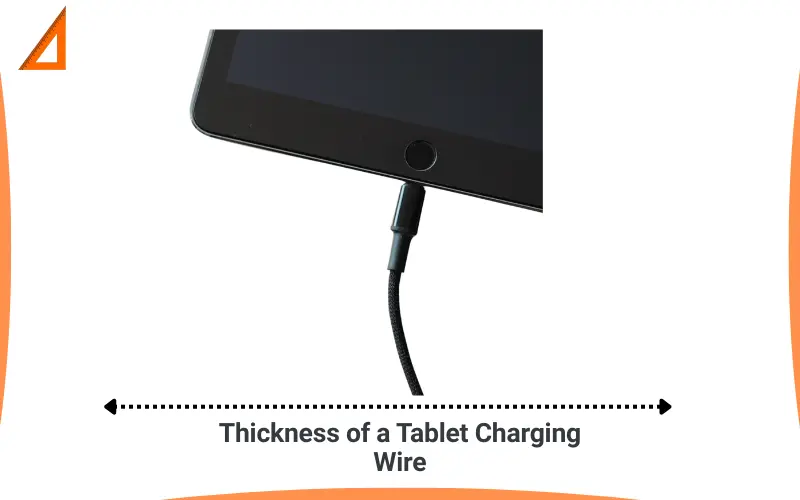
10. Thickness of a Tablet Charging Wire

How big is 4 mm

Many tablet charging cables measure around 4 mm thick near the outer rubber coating.

Unlike ultra-thin earphone wires, tablet cables need extra durability because they carry more power and bend frequently during daily use. This makes them slightly thicker and easier to notice visually.

Most people already recognize the feel of a charging cable wrapped around a desk or plugged beside a bed, which makes this comparison useful for estimating 4 mm quickly without using a ruler.

Compared to heavy laptop chargers, however, tablet cables still appear relatively slim and lightweight.

Real-Life Situations Where 4 MM Matters

Measurements around 4 mm are commonly used in:

  • electronics and cables
  • jewelry sizing
  • watches and accessories
  • sewing tools
  • crafts and DIY work
  • hardware screws
  • packaging materials
  • 3D printing

Even tiny differences in millimeters can change how objects fit, feel, or function.

4 MM Compared to Other Small Measurements

Compared to 2 mm, 4 mm feels noticeably thicker and easier to identify quickly.

However, beside 5 mm or 6 mm objects, it still appears fairly slim. For example, a charging cable might measure around 4 mm while a marker cap could be much thicker.

These side-by-side comparisons help improve visual size estimation in daily life.

FAQs

How big is 4 mm in inches?

4 mm equals approximately 0.157 inches.

Is 4 mm considered small?

Yes, 4 mm is still considered a small measurement.

What objects are about 4 mm thick?

Earphone cables, zipper teeth, hoodie string ends, and small watch pins are close to around 4 mm.

How can I estimate 4 mm without a ruler?

You can compare it with charging cables, straws, or zipper teeth.

Is 4 mm bigger than 3 mm?

Yes, 4 mm is slightly thicker and easier to notice visually.

Conclusion

At first glance, 4 mm may seem too small to picture clearly, but familiar everyday objects make the measurement much easier to understand. Items like charging cables, zipper teeth, keyboard gaps, and hoodie string ends provide realistic comparisons that help turn a tiny number into something visual and memorable.

Once you become familiar with what 4 mm looks like, estimating small measurements becomes much easier in electronics, shopping, crafts, repairs, and everyday tasks.
How big is 3 mm

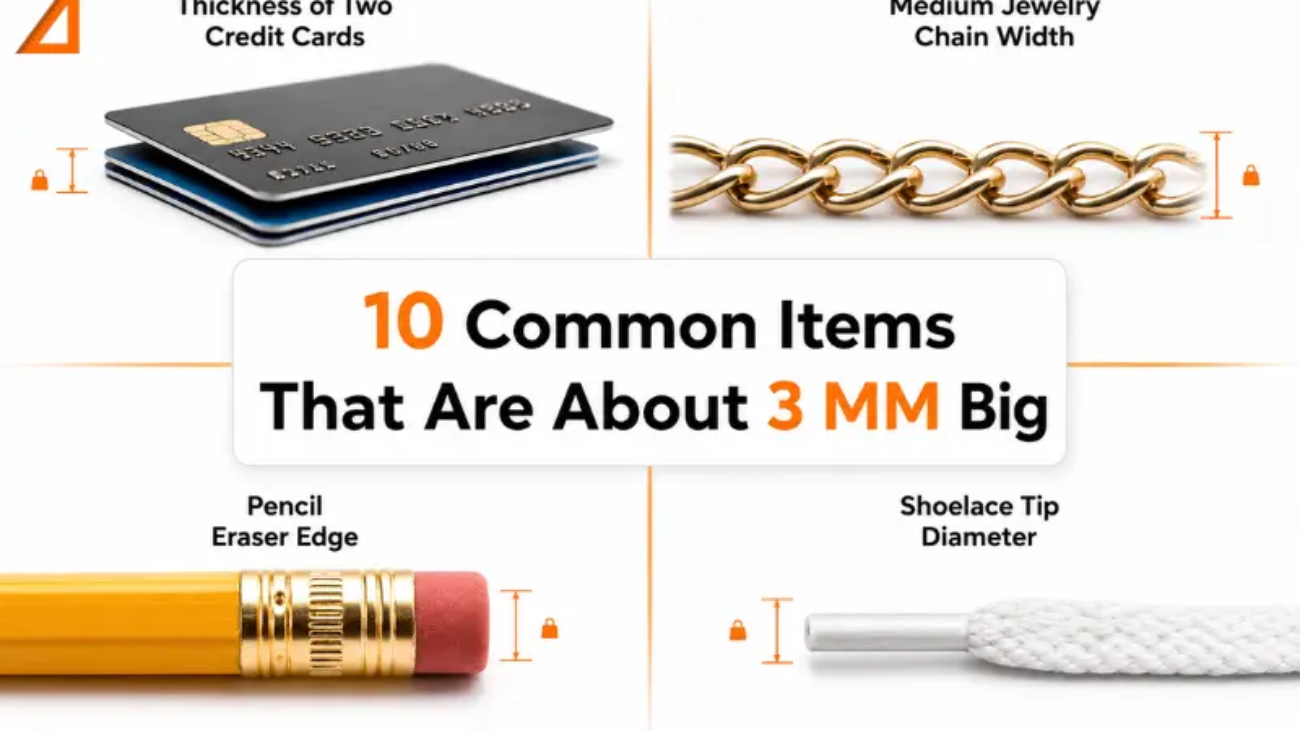
10 Common Items That Are About 3 MM Big

How big is 3 mm? It may sound like an extremely tiny measurement, but you probably see objects around this size every single day without noticing. Three millimeters equals approximately 0.11 inches, which makes it slightly thicker than a grain of rice and wider than many thin jewelry chains or pencil tips.
The problem with tiny measurements is that numbers alone don’t help much. Most people cannot visualize millimeters unless they compare them with familiar objects. That’s why real-life examples work better than rulers for understanding sizes this small.
Whether you are shopping online, working with jewelry, comparing electronics, crafting, or trying to estimate thickness by eye, these everyday size comparisons will help you understand exactly what 3 mm looks like.

3 MM Conversion Table

Measurement Equivalent
3 mm in centimeters 0.3 cm
3 mm in inches 0.118 inches
3 mm in meters 0.003 m
3 mm in micrometers 3000 micrometers

What Does 3 MM Look Like?

Three millimeters is small, but it is still noticeable when compared beside thinner objects like paper or card edges. It is roughly:

  • the thickness of two stacked coins
  • a medium jewelry chain width
  • the tip size of some earbuds
  • a small screw diameter

Most people imagine 3 mm smaller than it actually is. Once you see it beside objects like pencil tips or charging wires, the measurement starts feeling much more realistic.

If you look closely at a ruler, 3 mm only covers three tiny lines, which explains why visual comparisons are easier to remember than numbers alone.

Is 3 MM Big or Small?

3 mm is considered a very small measurement, but compared to 1 mm or 2 mm, it starts becoming much easier to notice with the human eye.

For example, a standard smartphone charging cable is usually thicker than 3 mm, while thin necklace chains or compact screws may sit close to this size. So even though 3 mm sounds tiny, it still appears clearly in many household objects.

Understanding small measurements like this becomes useful when comparing electronics, jewelry, crafts, hardware, or printed materials.

How To Estimate 3 MM Without a Ruler

One of the easiest ways to estimate 3 mm is by comparing it with familiar thin objects around you.

A grain of rice stacked slightly thicker than usual, the width of some shoelace tips, or the thickness of two credit cards together can provide quick visual clues.

Another useful comparison is mechanical pencil lead containers or compact jewelry chains. Most people already recognize how thin those objects feel in the hand, which makes it easier to estimate 3 mm naturally.

Once your eyes become familiar with this measurement, spotting similar sizes becomes much easier in daily life.

10 Common Things That Are About 3 MM Big

These 10 common things that are about 3 MM big help make tiny measurements much easier to understand in everyday life. From shoelace tips and jewelry chains to stacked coins and small screws, these familiar objects provide simple real-life size comparisons that help you quickly picture what 3 millimeters actually looks like without needing a ruler.

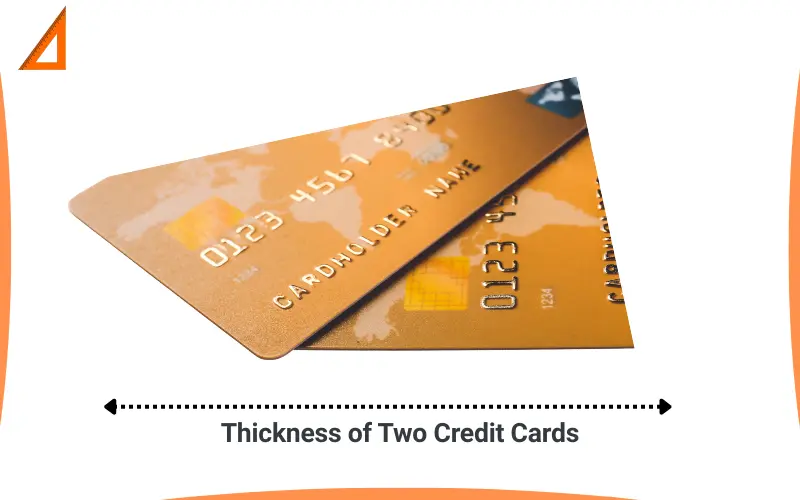
1. Thickness of Two Credit Cards

How big is 3 mm

A single credit card is usually just under 1 mm thick, so stacking two or three together creates a thickness very close to around 3 mm. Since almost everyone carries debit cards, ID cards, or hotel cards, this comparison feels natural and easy to picture immediately.

When you hold stacked cards between your fingers, the thickness becomes much more noticeable than people expect. Compared to thin paper sheets, cards feel firmer and more solid, which helps explain that 3 mm is small but still visible to the eye. Most people already know the feeling of a wallet full of cards, making this one of the easiest real-life size references for understanding 3 mm.

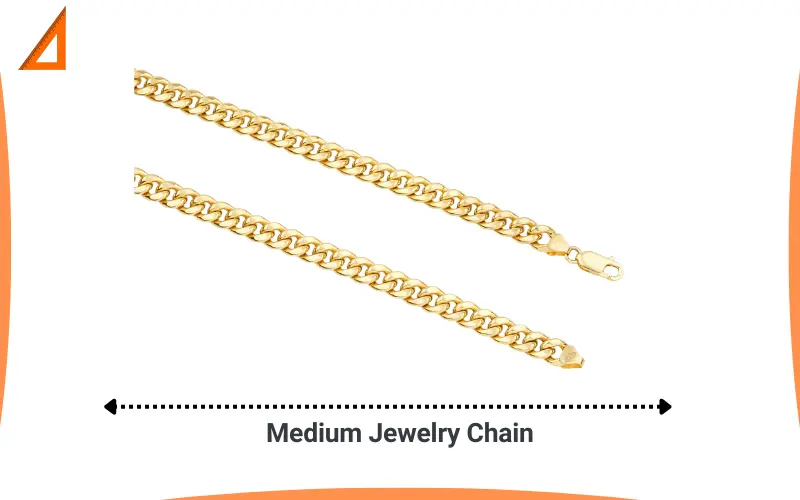
2. Medium Jewelry Chain Width

How big is 3 mm

Many medium-sized necklace chains measure roughly around 3 mm wide. Unlike extremely thin chains that almost disappear visually, a 3 mm chain starts becoming more visible when worn around the neck or wrist.

Jewelry stores commonly list chain thickness in millimeters, so understanding what 3 mm looks like becomes useful when shopping online. A chain around this size usually feels balanced — not too delicate but not overly chunky either. Compared to thicker 5 mm or 7 mm fashion chains, 3 mm versions appear cleaner, lighter, and more suitable for everyday wear.

If you imagine the width of a slim silver necklace, you already have a pretty good idea of how big 3 mm actually looks in real life.

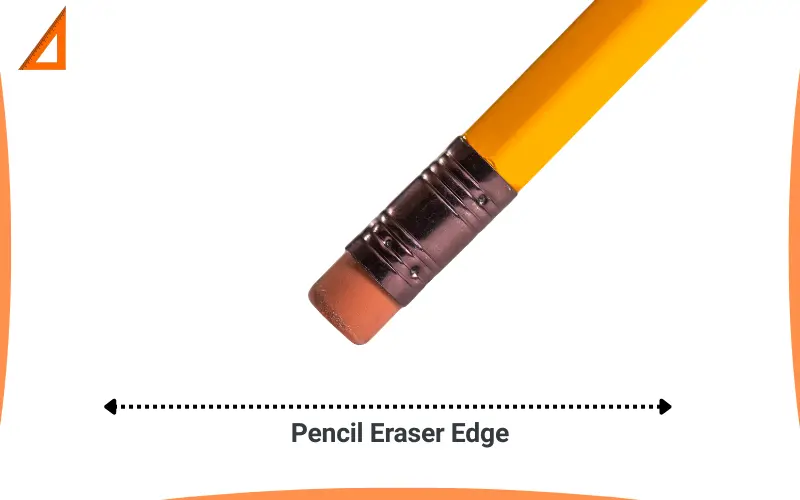
3. Pencil Eraser Edge

How big is 3 mm

The narrow edge of some pencil erasers measures close to around 3 mm thick. While people usually focus on the length of pencils instead of their small details, looking at the eraser from the side gives a surprisingly accurate size comparison.

Because pencils are used in schools, offices, and homes worldwide, this becomes a very recognizable everyday measurement reference. Compared to thick marker caps or chunky crayons, the thin edge of a pencil eraser immediately shows how slim 3 mm really is.

Most people underestimate this measurement until they compare it directly beside larger objects. Once you notice the edge thickness closely, it becomes easier to remember the actual size of 3 mm.

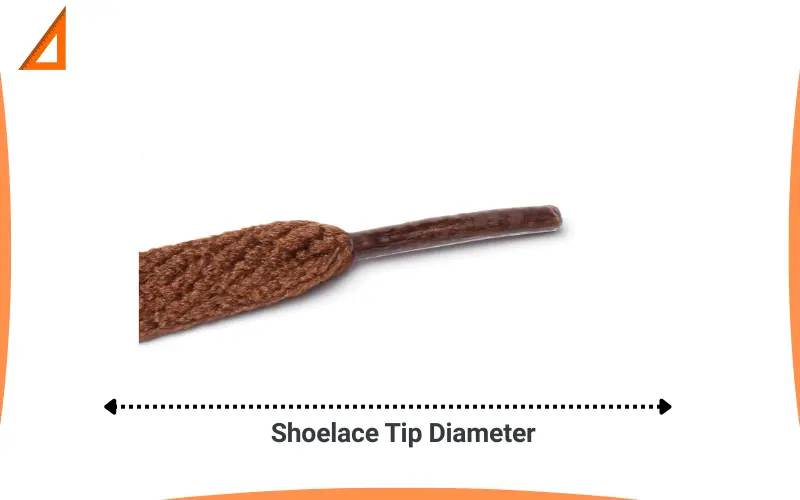
4. Shoelace Tip Diameter

How big is 3 mm

The plastic tip found at the end of many shoelaces often measures around 3 mm wide. Most people handle shoelaces every day but rarely stop to notice how small the tips actually are.

When viewed closely, the tiny aglet — the plastic or metal end piece — gives a realistic idea of what 3 mm looks like in real life. Compared to hoodie drawstrings or backpack cords, shoelace tips feel much thinner and more compact.

This comparison works especially well because the object is familiar to almost everyone. The next time you tie your shoes, looking closely at the lace tip can help you picture 3 mm much more naturally than reading numbers on a ruler.

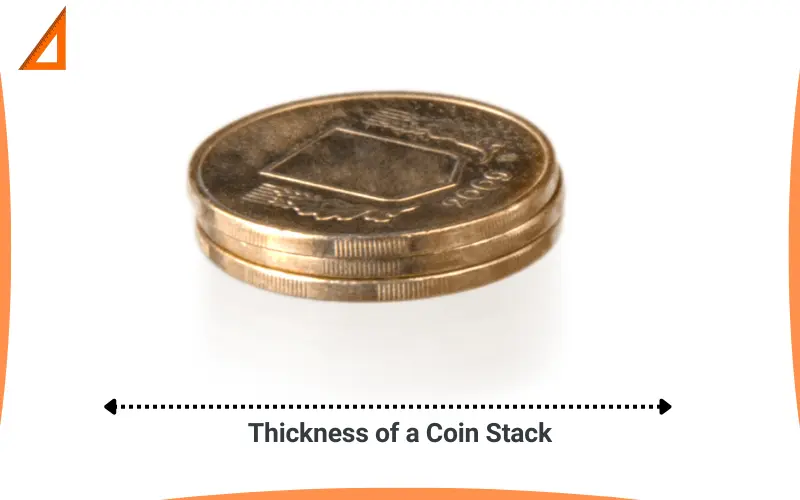
5. Thickness of a Coin Stack

How big is 3 mm

Stacking two thin coins together often creates a combined thickness close to approximately 3 mm. Coins are excellent measurement references because people instantly recognize their size and weight from daily use.

When held between the fingers, stacked coins feel noticeably thicker than a single coin but still much slimmer than larger household objects. This comparison also helps people understand the visual difference between 1 mm, 2 mm, and 3 mm more clearly.

Compared to bulky objects like keys or bottle caps, stacked coins demonstrate how tiny millimeter-based measurements really are while still remaining easy to notice physically.

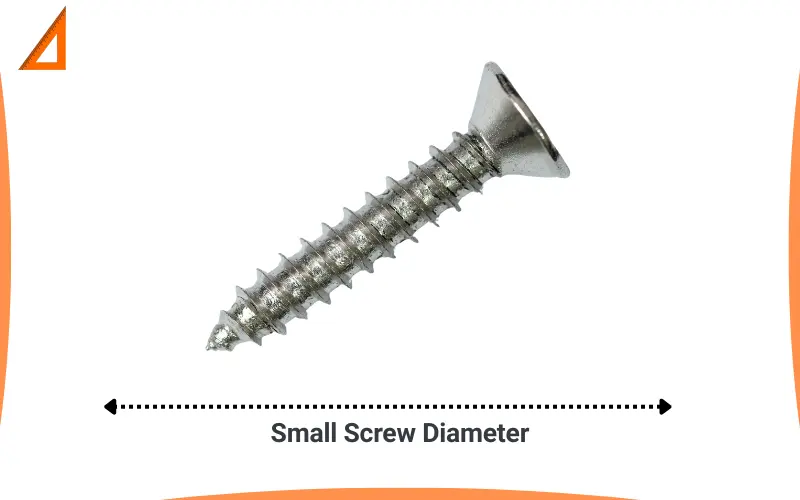
6. Small Screw Diameter

How big is 3 mm

Some tiny screws used in eyeglasses, watches, electronics, and toys measure close to 3 mm wide. These screws are much smaller than regular hardware screws used in furniture or home repairs.

People who fix gadgets or assemble electronics may already recognize how tiny these screws appear in the hand. Compared to standard nails or wall screws, a 3 mm screw feels extremely compact and delicate.

If you have ever repaired glasses or opened a small electronic device, you probably noticed how carefully these miniature screws must be handled. Their tiny size gives a very practical real-world comparison for understanding 3 mm.

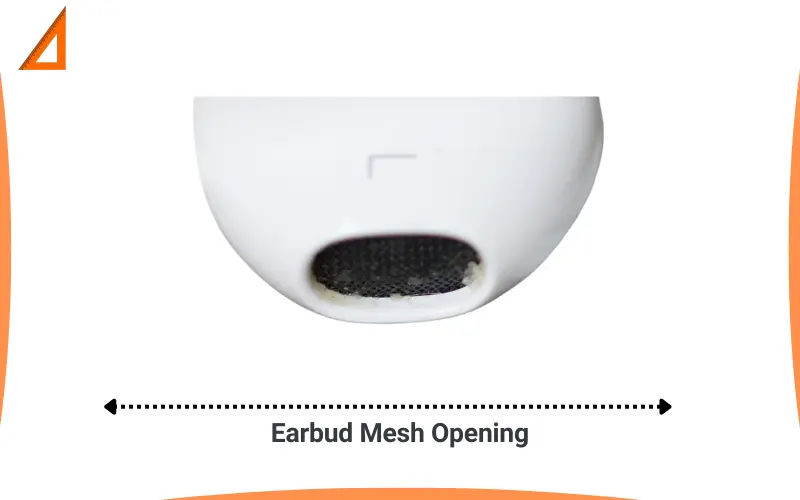
7. Earbud Mesh Opening

How big is 3 mm

The speaker mesh opening on some earbuds measures close to around 3 mm across. Modern earbuds contain surprisingly tiny parts, and many people never notice their small details until viewing them up close.

Compared to larger headphone speakers, the small circular mesh near the earbud tip appears extremely compact. Because wireless earbuds are now used daily by millions of people, this has become one of the more relatable modern examples of small millimeter measurements.

If you look carefully at the opening where sound comes out, the size provides a realistic visual guide for estimating 3 mm.

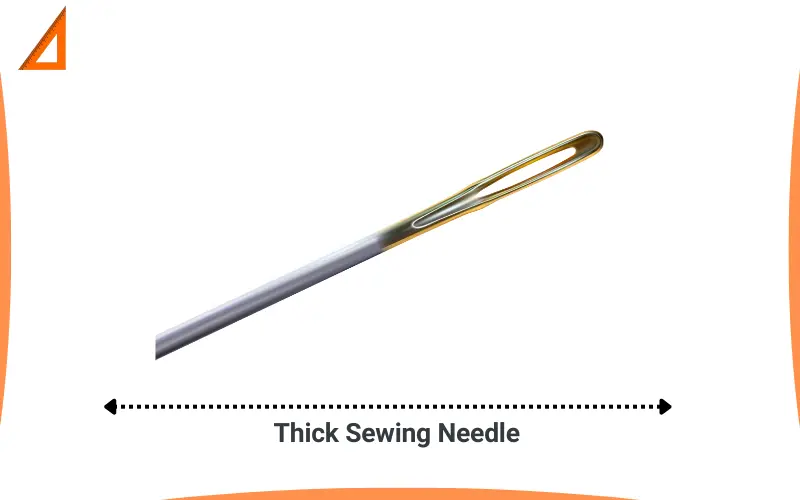
8. Thick Sewing Needle Width

How big is 3 mm

Some thicker sewing needles measure nearly 3 mm wide near the eye section. Sewing needles vary greatly in size depending on the fabric type and purpose, but larger needles become much easier to grip and notice visually.

Compared to delicate embroidery needles, thicker sewing needles appear noticeably stronger and sturdier. Tailors, crafters, and DIY hobbyists may already recognize this size naturally from experience.

Looking at the upper section of a sewing needle near the threading hole gives a surprisingly accurate sense of how tiny yet visible 3 mm can be.

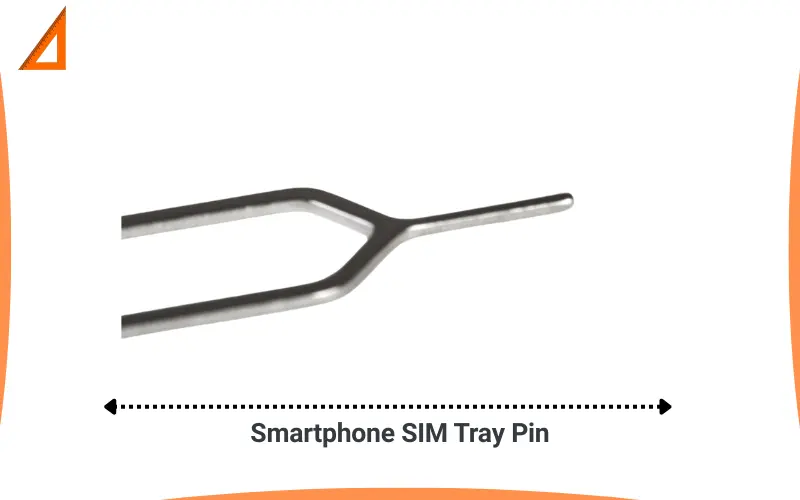
9. Smartphone SIM Tray Pin Width

How big is 3 mm

The small metal pin used for opening smartphone SIM trays is often close to about 3 mm thick near the handle area. Most smartphone users have seen this tiny tool while changing SIM cards or setting up a device.

Although the pin itself is very thin, the upper gripping section creates a more realistic comparison for understanding 3 mm. Compared to charging cables or USB connectors, the SIM tray tool feels extremely slim and lightweight.

Because smartphones are such a huge part of everyday life, this comparison feels modern, relatable, and easy for most people to visualize quickly.

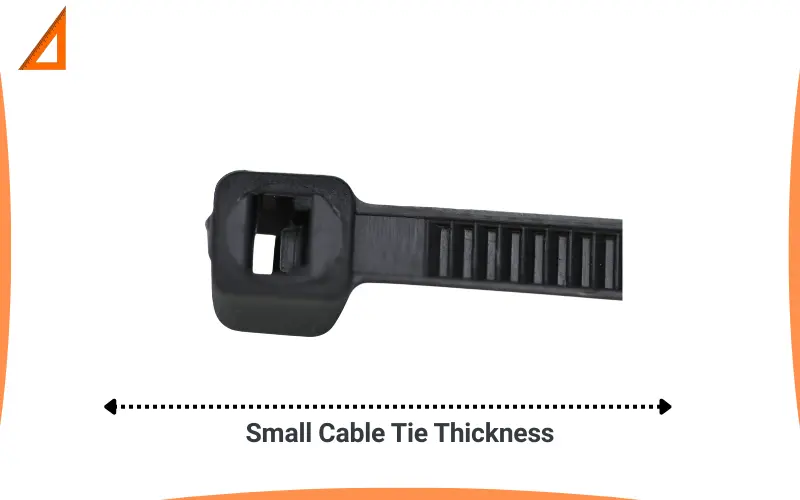
10. Small Cable Tie Thickness

How big is 3 mm

Certain lightweight cable ties measure around 3 mm wide. These small ties are commonly used for organizing computer wires, chargers, earphone cables, and office setups.

Compared to thicker industrial zip ties used for heavy-duty work, these smaller versions feel much more flexible and compact in the hand. Most people have probably used them while organizing cables behind desks or televisions.

The narrow width of these cable ties helps demonstrate how noticeable 3 mm can still be even though it is considered a very small measurement.

Real-Life Situations Where 3 MM Matters

Measurements around 3 mm appear more often than most people realize. They are commonly used in:

  • jewelry sizing
  • electronics
  • watch parts
  • screws and bolts
  • cable management
  • sewing tools
  • 3D printing
  • crafting supplies

Even tiny differences in millimeters can affect how objects fit, connect, or function. That’s why understanding small measurements becomes useful in practical everyday situations.

3 MM Compared to Other Small Measurements

Compared to 1 mm, 3 mm looks noticeably thicker and easier to spot immediately.

However, beside 5 mm, it still appears fairly slim. For example, many charging cables or marker tips are already thicker than 3 mm, which helps create a better mental comparison.

These side-by-side comparisons help train the eye to estimate tiny measurements more accurately.

FAQs

How big is 3 mm in inches?

3 mm equals approximately 0.118 inches.

Is 3 mm considered small?

Yes, 3 mm is still considered a very small measurement.

What object is about 3 mm thick?

Shoelace tips, small jewelry chains, and stacked coins are close to around 3 mm.

How can I estimate 3 mm quickly?

You can compare it with a medium necklace chain, shoelace tip, or small screw width.

Is 3 mm bigger than 2 mm?

Yes, 3 mm is slightly thicker and easier to notice visually than 2 mm.

Conclusion

At first glance, 3 mm may seem too tiny to picture clearly, but familiar objects make the measurement much easier to understand. Everyday items like shoelace tips, jewelry chains, small screws, and stacked coins provide realistic comparisons that turn a small number into something you can actually imagine.

Once you become familiar with measurements around 3 mm, estimating small sizes becomes much easier in crafts, electronics, jewelry shopping, and household projects. Real-life comparisons always make tiny measurements easier to remember than ruler markings alone.